Argentine Tango

Tango Canada Academy | Argentine Tango

Introduction to Argentine Tango

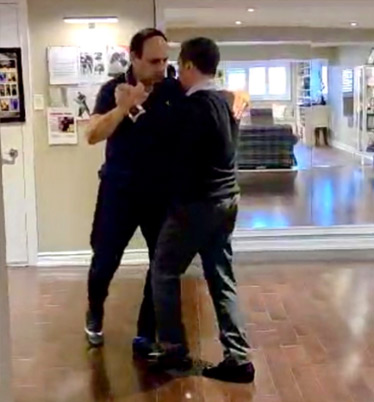
Argentine Tango is more than just a dance—it’s an art form that cultivates balance, stability, and a deep connection between partners. It enhances body awareness, posture, and movement while fostering a profound sense of improvisation. As a social dance, Tango is accessible to everyone, regardless of age or experience. All it requires is interest and passion. The journey of learning Tango is continuous, with every stage offering new layers of depth, expression, and mastery.

Looking for Argentine Tango Classes Near Me?

Here’s Why a Strong Foundation Matters

Whether you’re an absolute beginner, an experienced Argentine Tango dancer, or coming from another dance background, starting with the right foundation is key. If you’ve been searching for Argentine Tango classes near me, it’s likely because you’re ready to take your dance journey to the next level—with the guidance of experienced, professional instructors.

The truth is, Argentine Tango lessons are more than just learning steps. They’re about building real technique, refining movement, and understanding the emotional depth of this unique dance.

With expert instruction, your progress becomes more meaningful and your confidence grows—whether you’re leading or following.

Argentine Tango is often called “the dance of feelings” because it goes beyond movement. It’s a deeply expressive, improvisational experience rooted in connection, trust, and vulnerability. It has the power to transform not only how you dance, but how you connect—with music, with others, and with yourself.

When you begin with strong fundamentals and skilled guidance, your Tango journey becomes joyful, rewarding, and filled with lasting impact.

Our Dance Technic

The Three Essential Pillars of Tango Dancing

A strong foundation in Tango is built on three key elements:

Tango Canada Academy | Argentine Tango

Styles of Tango Danced in Milongas (Social Dances)

Argentine Tango encompasses three primary styles, each with distinct musical and movement characteristics:
  1. Argentine Tango (4/4 Time Signature)
    • Can be dramatic, lyrical, or rhythmic.
    • Allows varying speeds, pauses, and expressive interpretations.
    • Encourages embellishments and partner interaction.
  1. Tango Vals (3/4 Time Signature)
    • A fluid, continuous dance with no long pauses.
    • Similar patterns to Argentine Tango but with a seamless, flowing quality.
  1. Tango Milonga (2/4 Time Signature)
    • Fast-paced, rhythmic, and playful.
    • Emphasizes bouncy, grounded movements with simpler patterns.
The embrace, connection, and movement dynamics evolve based on these styles, and dancers naturally adapt to them throughout their Tango journey.

The Rewarding Journey of Learning Tango

Learning Argentine Tango is a deeply enriching experience, and mastering its three fundamental pillars—Technique, Essentials, and Musicality—is key to becoming a confident dancer. The guidance of an experienced teacher who has lived the Tango journey firsthand makes the learning process even more fulfilling.

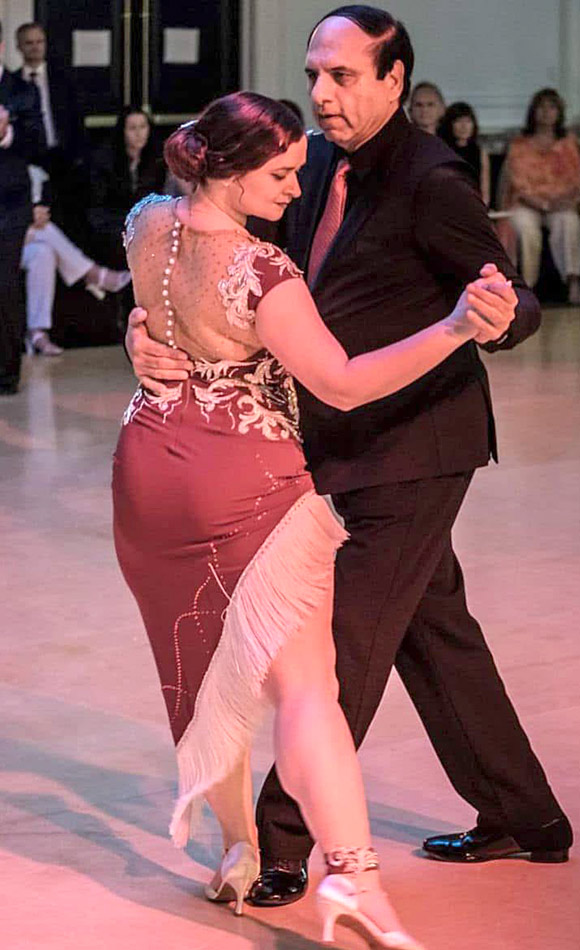
Sudhir Gandhi, certified professional Fellow member of  Canadian Dancesport Federation in Argentine Tango, has dedicated over 20 years to Tango as a social dancer, performer, competitor, and teacher/coach. His teaching methodology integrates a deep understanding of technique, essential movements, and musicality, helping students build a solid foundation while discovering their own artistic expression in Tango.

Join us at TANGO DANCE ACADEMY and embark on your own Tango journey !

Tango Canada Academy | Argentine Tango

Rooted in Tradition, Preserving the Essence, Advancing the Art

Authentic Argentine Tango is an improvisational social dance that originated over a century ago in Argentina and Uruguay. Built on musicality, connection, and emotional expression, it evolved organically in social milongas before expanding worldwide. While tango has developed over time—embracing refined technique, advanced body mechanics, and a broader movement vocabulary—its authenticity remains grounded in how it is danced: with respect for the music, the partner, and the shared social space. True authenticity is not about rigid tradition, but about applying technique with sensitivity, precision, and cultural understanding.

Technique, Floor-Craft, and Professional Standards

Modern Argentine Tango includes movements such as ganchos,enganches, sacadas, barridas, and complex turns, all of which require a strong technical foundation, precise body mechanics, musical interpretation, and disciplined floor-craft. Dancers trained authentically move efficiently in close, crowded milongas, navigate smoothly without disrupting others, and balance improvisation with structure. Credible tango instruction is defined not by geography or ancestry, but by professional preparation—recognized certifications, progressive examinations, pedagogical training, and mentorship with internationally respected maestros. These standards ensure consistency, integrity, and technical excellence in teaching.

Why Choose Tango Canada Academy

At Tango Canada Academy, we deliver authentic Argentine Tango training through a structured, technique-driven, and internationally aligned approach. Our teaching emphasizes musicality, partner connection, biomechanics, and refined floor-craft, creating confident and socially skilled dancers. From beginners to advanced students, our progressive learning pathway supports steady growth in a respectful and culturally informed environment. For those seeking professional, authentic Argentine Tango instruction in Canada, Tango Canada Academy offers a trusted and enriching journey grounded in excellence and the true spirit of tango.

Ready to Begin Your Tango Journey?

Join a Class, Book a Private Lesson, or Register for a Workshop Today! Private Classes / Semi-Private (Small Groups) 60-90 minutes /Session. Contact us for the Starter Package or FREE Assessment Lesson.

Testimonials

What Our Students Have To Say?