



Choosing among different Tango Styles can feel overwhelming when you are new to partner dancing. Tango Styles have developed over many decades, each offering a unique approach to movement, music, and partner connection. Although they all share the same historical roots, they differ in technique, posture, musical interpretation, and where they are commonly danced.
Whether you are interested in social dancing, performing on stage, or participating in ballroom competitions, understanding the characteristics of each style will help you make an informed decision. Tango classes for adults provide a supportive environment to explore different styles while building confidence and developing practical dance skills. Learning tango is more enjoyable when you begin with a style that matches your interests, comfort level, and long term goals. This guide explores three of the most popular tango styles, highlights their similarities and differences, and explains which dancers are most likely to enjoy each one.Why Different Tango Styles Exist
Tango has evolved over more than a century. As it spread from Argentina to different parts of the world, dancers and instructors adapted it to suit different audiences and purposes. Some styles remained closely connected to traditional social dancing, while others became more structured for competitions and stage performances. Today, each style continues to preserve elements of tango’s cultural heritage while offering its own learning experience. Understanding these differences makes it easier to choose a style that aligns with your expectations.Argentine Tango: The Original Social Dance
Argentine Tango is widely considered the foundation from which other forms of tango developed. It began in Buenos Aires and remains closely connected to social dancing and musical expression. Rather than relying on memorized routines, dancers improvise their movements based on the music and the connection they share with their partner. Every dance is unique because no two songs or partnerships are exactly the same. Walking plays a central role in Argentine Tango. Students spend considerable time developing posture, balance, and smooth weight transfer before learning more advanced figures. This style encourages dancers to interpret the music naturally while maintaining close communication throughout the dance.Ballroom Tango: Structured and Precise
Ballroom Tango developed after tango became popular in Europe. Dance organizations standardized the technique, creating a consistent format suitable for competitions and formal instruction. Unlike Argentine Tango, Ballroom Tango follows established patterns and clearly defined techniques. Dancers maintain a stronger dance frame and perform sharper movements that create a dramatic visual effect. Students who enjoy structure, technical precision, and measurable progress often appreciate Ballroom Tango because lessons follow a clear learning progression. This version is commonly seen in ballroom competitions and dance examinations.Stage Tango: Performance Focused
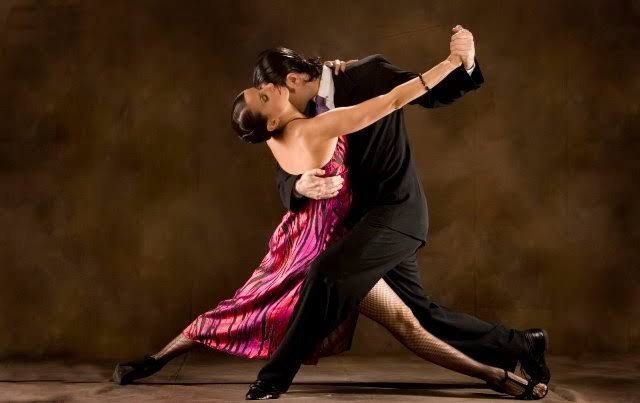
Stage Tango combines traditional tango techniques with theatrical presentation. It is designed for audiences rather than social dance settings. Professional performers often include dramatic lifts, fast spins, sweeping leg movements, and choreographed sequences that showcase athletic ability and artistic expression. While performances can be inspiring, Toronto Argentine Tango classes typically focus on social dancing, musical connection, and partner communication before introducing advanced stage techniques. Although beginners can enjoy watching Stage Tango, most instructors recommend developing strong fundamental skills before attempting performance based choreography. Stage Tango demonstrates how versatile tango dance can become while still reflecting its original cultural influences.Comparing Movement and Technique
Each style approaches movement differently. Argentine Tango emphasizes natural walking, improvisation, and subtle communication between partners. The focus remains on responding to the music rather than following a fixed routine. Ballroom Tango uses stronger body shaping, sharper directional changes, and consistent posture throughout every figure. Precision and technique receive significant attention during training. Stage Tango builds upon these foundations while introducing larger movements intended to capture an audience’s attention. These technical differences influence both the appearance and learning process of each style.Partner Connection
Connection is important in every form of tango, but it is expressed differently depending on the style. Argentine Tango encourages a flexible embrace that allows dancers to communicate comfortably through body movement. Ballroom Tango maintains a structured frame designed to support standardized techniques and synchronized movement. If you want to experience these styles firsthand, check our Latest Events page for upcoming workshops, social dances, and special tango sessions where you can practice and learn from experienced instructors. Stage Tango may vary between close and open positions depending on the choreography being performed. Understanding these differences helps beginners select a style that feels comfortable for their personal preferences.Musical Interpretation
Music influences every movement in tango. Traditional Argentine Tango encourages dancers to interpret rhythm, melody, and pauses individually. Musical expression becomes a central part of the dance. Ballroom Tango generally follows a more consistent tempo that supports structured choreography and competitive performance. Stage Tango often combines dramatic musical arrangements with choreographed movements to create a visually engaging performance. Regardless of the style, developing musical awareness improves both timing and overall confidence.Which Style Is Best for Beginners?
Choosing the right style depends on your goals rather than identifying one style as better than another. If you enjoy creativity and social dancing, Argentine Tango offers flexibility and encourages natural expression. If you prefer structured lessons and clearly defined techniques, Ballroom Tango provides a logical learning path with measurable progress. If your interest lies in performing for audiences, Stage Tango may become an exciting long term goal after mastering the fundamentals. Trying introductory classes in different styles can also help beginners discover which environment feels most enjoyable.Three Reasons to Explore Different Tango Styles
- Develop a broader understanding of tango : Experiencing multiple styles helps dancers appreciate how tango has evolved while improving adaptability and overall technique.
- Discover your personal learning preference : Some students enjoy improvisation, while others feel more confident following structured routines. Exploring different styles helps identify which approach suits you best.
- Improve versatility as a dancer : Learning from different traditions builds stronger musical awareness, better coordination, and greater confidence when dancing with different partners.
Seven Things to Consider Before Choosing a Style
- Decide whether you prefer social or performance dancing.
- Think about whether you enjoy improvisation or structured routines.
- Consider your long term dancing goals.
- Attend beginner classes before making a final decision.
- Choose an instructor who emphasizes strong fundamentals.
- Practise consistently to develop confidence.
- Stay open to learning more than one style over time.
Appreciating Argentina’s Dance Heritage
Among the many argentinian dance styles, tango remains the most internationally recognized. Its influence extends far beyond the dance floor, representing an important part of Argentina’s cultural identity. Although folk dances such as Chacarera and Zamba continue to play meaningful roles in Argentine culture, tango has become a global symbol of musical expression and partner dancing. Learning about these traditions provides valuable context for anyone beginning their tango journey.More Than Learning Steps
Many beginners focus only on footwork during their first lessons. However, experienced instructors often explain that successful dancing depends equally on posture, timing, balance, musical interpretation, and communication. Understanding the definition of tango becomes easier through practical experience than through written descriptions alone. As students practise regularly, they begin to appreciate how movement, rhythm, and connection work together. Likewise, learning to dance a tango is not about completing complicated routines as quickly as possible. Progress comes from mastering simple movements and building confidence one lesson at a time.Conclusion
Exploring different tango styles helps beginners understand that there is no single approach to learning this timeless partner dance. Argentine Tango, Ballroom Tango, and Stage Tango each offer unique experiences while sharing the same historical foundation. Choosing the right style depends on your personal interests, learning preferences, and dancing goals. Whether you enjoy creative improvisation, structured technique, or theatrical performance, developing strong fundamentals will support your progress in any direction. If you’re looking for additional learning opportunities, explore our Scholarship Programs to help make quality tango education more accessible while supporting your long term dance journey. With patience, consistent practice, and an appreciation for the music, every dancer can enjoy the rewarding experience that tango has to offer.Frequently Asked Questions
Which tango style is easiest for beginners?
Many beginners start with Argentine Tango or Ballroom Tango. The best choice depends on whether you prefer improvisation or structured learning.
Can I learn more than one tango style?
Yes. Many dancers begin with one style and later explore others to improve their technique and versatility.
Is Ballroom Tango the same as Argentine Tango?
No. Although both originated from the same roots, they differ in posture, movement, musical interpretation, and teaching methods.
Do I need a partner to begin learning tango?
No. Many beginner classes welcome individual participants and rotate partners throughout the lesson.
How long does it take to become comfortable with tango?
Most beginners become familiar with the basic movements after several weeks of regular practice, while confidence and technique continue to improve with experience.


Comments are closed