

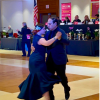

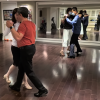
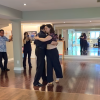


If you have ever watched a glamorous ballroom tango performance and then stepped into a traditional Argentine tango social, you may have felt like you were looking at two different languages that share a few familiar words. Both are called “tango,” both can be intense, dramatic, and musical, and both can look stunning when danced well. But the truth is that ballroom tango and Argentine tango grew in different environments, evolved with different goals, and ask your body to move in different ways. Understanding those differences helps you choose the right path for your personality, your goals, and your lifestyle, whether you want to compete, social dance, or simply learn a new skill.
At Tango Canada Academy, we meet many students who are curious about ballroom vs Argentine tango because they have seen one style online but want to learn the other in real life. Some arrive with a ballroom background and want more improvisation and connection. Others love the mystery of Argentine tango but still enjoy the structure and showmanship that ballroom training can develop. In this guide, we will break down ballroom vs Argentine tango in a clear, practical way so you can understand the real differences in posture, embrace, movement, musicality, and culture. By the end, you will know what to expect, what to practice, and how to choose classes that actually fit your goals.
Where Each Style Comes From
Ballroom tango and Argentine tango share a name and a historical connection, but they took different routes as they spread around the world. Argentine tango developed in the late 19th and early 20th century around the Río de la Plata region, especially Buenos Aires and Montevideo. It grew inside social spaces, shaped by immigration, working-class neighborhoods, and a culture of listening closely to the music and communicating through the embrace. Because it matured in social settings, it naturally became improvisational and partner-focused. That origin still influences how dancers think today when comparing ballroom vs Argentine tango, because Argentine tango still values social navigation, musical conversation, and personal expression over rehearsed choreography.
Ballroom tango evolved later as tango moved into European ballrooms and competitive dance systems. Over time, it became standardized within ballroom syllabi and competition formats. The technique became codified, the steps became recognizable patterns, and the look became dramatic and sharp for clear judging and audience impact. This is why ballroom vs Argentine tango can feel so different: ballroom tango aims for consistency, clarity, and performance aesthetics, while Argentine tango aims for connection, musical interpretation, and adaptability on a shared dance floor.
The Embrace And Connection Feel Different
The embrace is the heart of tango, but it functions differently in each style. In Argentine tango, the embrace is a communication system. It can be close, open, or flexible, but its purpose is to transmit intention with subtlety. The leader and follower share balance, timing, and direction through the torso and the embrace rather than relying on big visible cues. This is a major point in ballroom vs Argentine tango because Argentine tango is built on the idea that your partner should feel your plan before they see it. The connection becomes a conversation that changes based on the music, the partner, and the available space.
In ballroom tango, the hold is more formal and is designed to present a clean shape to the audience. The frame is maintained with a structured tone through the arms and upper body, and the partners often keep a defined space between them. That structure supports the crisp head positions, sharp body actions, and dramatic styling that ballroom tango is known for. When comparing ballroom vs Argentine tango, think of ballroom as a staged spotlight: the hold helps you look consistent and powerful. Argentine tango feels more like a private dialogue: the embrace helps you listen and respond in real time.
Posture, Body Alignment, And Aesthetic Goals
Posture is a big separator in ballroom vs Argentine tango because each style is chasing a different aesthetic. Argentine tango posture is functional for walking, pivoting, and maintaining a shared axis with your partner. Many dancers use a grounded stance with a soft, ready chest and an embrace that can adapt. You may see a slight forward intention in close embrace because both partners are moving toward each other in a shared connection. The goal is not to look identical from couple to couple. The goal is to feel balanced, connected, and musical while staying comfortable for a whole evening of dancing.
Ballroom tango posture is more upright and often more stylized, with a strong frame and pronounced shaping. The head position and body line are designed to look consistent and dramatic, especially in competitions. The movement quality often includes sharp actions and staccato energy to match the way ballroom tango is traditionally interpreted. In ballroom vs Argentine tango, ballroom posture is often optimized for visual clarity and performance, while Argentine posture is optimized for comfort, responsiveness, and social practicality.
Movement Quality: Walk, Pivots, And Grounding
Argentine tango is famous for its walk, and that is not just a romantic idea. The tango walk is a core skill that builds control, elegance, and the ability to lead and follow clearly. In Argentine tango, walking is not only travel. It is musical phrasing, intention, and shared timing. Pivots, ochos, giros, and pauses come from the quality of the walk and the clarity of the lead. This matters in ballroom vs Argentine tango because Argentine tango is often built from simple elements that become expressive through musical choices and partner sensitivity.
Ballroom tango movement often has more pronounced rise and fall control compared to Argentine tango, and it features a sharper, more aggressive dynamic. The steps are designed to show clear changes in direction, strong leg actions, and visible shape. Many ballroom sequences emphasize power and contrast, and the movement is often practiced as repeatable patterns. In ballroom vs Argentine tango, ballroom movement is frequently pattern-driven and judged by technical precision, while Argentine movement is modular and improvised, built from fundamentals that can combine in countless ways.
Musicality: Interpretation Versus Timing Systems
Musicality is one of the most important differences in ballroom vs Argentine tango. Argentine tango music is varied, layered, and emotionally complex. Social dancers learn to interpret phrasing, pauses, rhythm, and melody, and to choose movement quality based on the orchestra and the song. One tanda might call for smooth walking and long pauses, while another might invite playful rhythm or intricate footwork. Argentine tango musicality is about making choices. You do not dance “the same routine” each time. You respond to what you hear and what you feel in the embrace.
Ballroom tango music is typically selected or arranged for competition timing and consistent structure. The rhythm is steady, the phrasing is predictable, and the choreography is built to hit specific accents. Musicality is still important, but it often shows up as sharp timing, strong accents, and matching choreography to musical hits. When people debate ballroom vs Argentine tango, musicality is often where they feel the biggest emotional difference: Argentine tango invites personal interpretation, while ballroom tango rewards precision and consistency.
Social Culture And Etiquette Are Not The Same
Argentine tango has a deep social culture with traditions that shape how people behave on the dance floor. Social events often include customs like tandas and cortinas, rotating partners, and shared navigation rules that keep everyone safe in a crowded space. Many communities also use invitation traditions that help dancers choose partners respectfully. This matters in ballroom vs Argentine tango because Argentine tango is a social ecosystem. Learning etiquette is part of learning the dance, and it can make your experience much more enjoyable and welcoming.
Ballroom tango culture is often centered around classes, studios, competitions, and showcases. Social ballroom events exist too, but the competitive structure influences how many dancers train. You may see more emphasis on partner consistency, rehearsed routines, and performance readiness. In ballroom vs Argentine tango, ballroom often feels like training for presentation, while Argentine tango often feels like training for connection and community. Neither is better, but the culture will affect what motivates you to practice and how you spend your time.
Technique Training: Syllabus Versus Improvisation Skills
Training methods show another key contrast in ballroom vs Argentine tango. Ballroom tango is commonly taught through a structured syllabus with named steps, variations, and levels. This can be excellent for progression because you know what comes next and how technique is evaluated. You may train specific figures repeatedly to refine body mechanics, timing, and styling. That structure can be comforting for learners who love clear milestones and a defined path.
Argentine tango is often taught through principles rather than a strict sequence of figures. You learn posture, embrace, walking, pivots, dissociation, and navigation, then you learn how those elements create movements together. Because the dance is improvisational, you train your ability to adapt. You also train sensitivity, because connection is a technique in Argentine tango, not just an emotion. In ballroom vs Argentine tango, ballroom training often builds mastery through repetition of set material, while Argentine training builds mastery through skill development that supports improvisation.
Quick Differences To Remember
If you want a fast way to keep ballroom vs Argentine tango clear in your mind, focus on purpose. Ballroom tango is designed for performance and competition clarity, while Argentine tango is designed for social connection and musical conversation. That one idea explains many technical differences, from posture to footwork. Still, it helps to see the contrast in a simple checklist you can return to when choosing a class or deciding what to learn next.
Here is a practical reference you can save and revisit as you explore ballroom vs Argentine tango:
- Argentine tango is improvisational; ballroom tango is often choreography and syllabus-based.
- Argentine tango prioritizes connection and navigation; ballroom tango prioritizes frame, shape, and presentation.
- Argentine tango musicality is interpretation-heavy; ballroom tango musicality often emphasizes accents and timing precision.
- Argentine tango social culture includes etiquette traditions; ballroom tango culture often centers on studio training and competition structure.
- Argentine tango embraces can vary widely; ballroom tango hold tends to follow a more standardized frame.
Which Style Is Easier For Beginners
Many beginners ask which is easier, but the better question is which is easier for your personality and goals. Argentine tango can feel challenging at first because improvisation asks you to develop body awareness, listening skills, and patience. You may not get a long routine quickly, and that can be frustrating if you want immediate structure. But once you understand the basics, Argentine tango can feel freeing, because you can do a lot with simple walking, clear connection, and musical timing. For many people, the challenge is worth it, and the joy of social dancing makes practice feel meaningful. This is one reason ballroom vs Argentine tango discussions often end with people choosing the style that matches their learning preference.
Ballroom tango can feel easier at first for people who like clear steps and a visible roadmap. You may learn a basic set of figures quickly and feel like you can “do the dance.” But as you move forward, ballroom technique demands strong posture, frame control, precision timing, and performance quality. That depth can be exciting for goal-driven learners. In ballroom vs Argentine tango, beginners often thrive in ballroom when they enjoy structured progression, and they often thrive in Argentine tango when they enjoy connection-based learning and social motivation.
How To Choose Based On Your Goals
Your goals should guide your decision more than aesthetics. If you want social dancing that feels intimate, musical, and adaptable, Argentine tango is usually the best fit. If you want a dramatic look, competition goals, and a structured syllabus, ballroom tango may be the better match. Some dancers enjoy both, but it helps to understand that switching styles requires respect for technique differences. Many frustrations come from trying to dance one style with the rules of the other. That is why ballroom vs Argentine tango is not only a debate. It is also a practical training choice.
At Tango Canada Academy, we guide students who are curious about ballroom vs Argentine tango toward the learning path that matches their real goals. If you want social confidence, we recommend starting with Argentine Tango Classes and building strong walking, embrace, and navigation skills. If you want targeted improvement, Private Lessons help you get precise feedback and build faster. If you want to accelerate your learning through focused training, Workshops And Guided Practicas help you integrate skills in a real social context. If your dream includes performance or competition, Tango Competition Training can help you build stage-ready technique and partnership strategy.
How Training Supports Health And Well-Being
Dance is not only art, it is also movement, coordination, balance, and mental engagement. Many students exploring ballroom vs Argentine tango appreciate that tango can support a more active lifestyle. Tango uses walking patterns, core engagement, posture awareness, and rhythm, which can complement general health habits. If you are returning to movement after a long break, tango can feel like a meaningful and motivating way to stay active, because you are learning a skill, not just “exercising.”
If you want a simple Canadian resource on movement and general activity goals, you can review Government of Canada physical activity guidance. Tango is not a replacement for every kind of exercise, but many people find that regular practice supports energy, mood, coordination, and confidence. When you compare ballroom vs Argentine tango, the health benefit angle is similar, but the experience differs: ballroom training may feel like athletic drilling and performance preparation, while Argentine tango may feel like social movement and mindful connection.
How Communities Grow Through Dance And Culture
Tango communities are built on people gathering, learning, and sharing culture. Many dancers are surprised to learn how much cultural programming exists across Canada, and how arts and heritage initiatives support community events. This matters because tango thrives when people have safe, welcoming spaces to learn and socialize. It is one more reason ballroom vs Argentine tango is not only about steps. It is also about communities and the environments that keep dance alive.
If you want an example of a Canadian government program that supports local arts and heritage activities, you can explore the Building Communities Through Arts and Heritage program guidelines . Tango Canada Academy is part of a broader dance ecosystem, and our goal is to help students grow not only their technique, but also their comfort participating in social and cultural spaces. When you understand ballroom vs Argentine tango through this lens, you see why Argentine tango communities often emphasize etiquette and shared floorcraft, while ballroom spaces often emphasize training structure and showcase opportunities.
Why Choose Tango Canada Academy
Choosing the right school matters because tango is a skill that builds over time, and the quality of instruction shapes your progress and your confidence. At Tango Canada Academy, we teach Argentine tango as a connected, practical, and musical dance, not just a collection of steps. We focus on the fundamentals that make you feel safe, clear, and comfortable with real partners. That includes how to walk with control, how to lead and follow with respect, how to understand music, and how to navigate a shared floor. For students comparing ballroom vs Argentine tango, our approach helps you understand why Argentine tango feels different and how to train it correctly.
We also support different goals through different formats so your training matches your lifestyle. If you want a clear learning path, our Argentine Tango Classes help you progress from beginner to advanced with a strong foundation. If you want faster improvement, Private Lessons give you personal feedback and targeted corrections. If you want to level up your musicality and social confidence, Workshops And Guided Practicas give you focused training plus real-world practice. If your path includes performance and competition, Tango Competition Training can help you develop partnership skills, refinement, and strategy while staying rooted in authentic tango technique.
Ready To Choose Your Tango Path?
The difference between ballroom and Argentine tango is not about which one is “real” and which one is “better.” It is about purpose, culture, and training goals. Ballroom tango is built for structured technique, consistent presentation, and competitive clarity. Argentine tango is built for improvisation, connection, musical interpretation, and social navigation. Once you understand these differences, ballroom vs Argentine tango becomes less confusing and much more exciting, because you can choose intentionally and train with the right expectations.
If you are ready to explore Argentine tango with expert guidance, Tango Canada Academy is here to help you take your next step. Join Argentine Tango Classes to build your foundation, book Private Lessons for targeted growth, and attend Workshops And Guided Practicas to gain real social confidence. If you want to prepare for the stage or a competitive setting, ask about Tango Competition Training. Reach out today and let us recommend the best starting point based on your goals, schedule, and experience.
Frequently Asked Questions
-
Is ballroom vs Argentine tango mainly a difference in steps?
Not really. Ballroom vs Argentine tango is mainly a difference in purpose, technique, and culture, and the steps come from those foundations. -
Can I learn Argentine tango if I only danced ballroom before?
Yes. Many dancers transition successfully, but ballroom vs Argentine tango requires adjusting posture, embrace, and improvisation habits. -
Which is better for social dancing, ballroom vs Argentine tango?
Argentine tango is usually better for social dancing because it is designed for crowded floors, partner connection, and improvisation. -
Do I need a partner to start learning ballroom vs Argentine tango?
No. You can start without a partner in most classes, and you will learn core skills that apply regardless of who you dance with. -
How long does it take to feel confident in ballroom vs Argentine tango?
With consistent practice, many beginners feel comfortable in a few months, but confidence grows faster when you attend classes plus guided practice. -
What should I take first if I am focused on ballroom vs Argentine tango comparisons?
Start with a beginner-level Argentine Tango Classes option and add a guided practica or a short private lesson to clarify technique quickly. -
Is the keyword ballroom vs Argentine tango a fair way to describe the styles?
Yes, ballroom vs Argentine tango is a common comparison, but the best understanding comes from trying both and learning the goals behind each style.


Comments are closed