


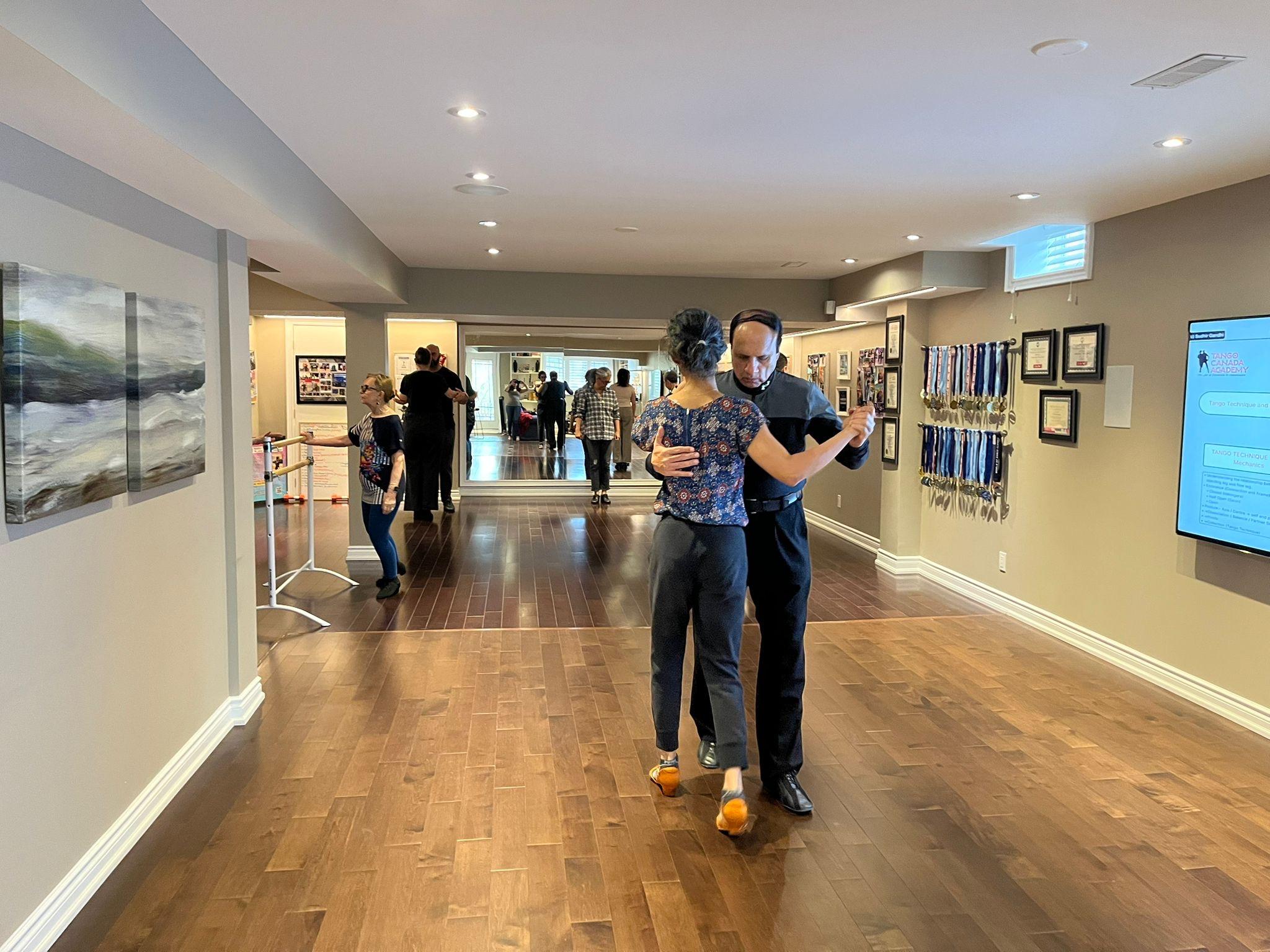
Walking into your first tango class is exciting, but it is normal to feel unsure about what to wear, especially on your feet. Shoes matter in tango more than many beginners expect because tango is built on balance, clean weight shifts, and controlled pivots. The right pair helps you feel stable and confident, while the wrong pair can make you feel stuck, wobbly, or even sore by the end of class. If you are searching for shoes for Argentine tango class, you are already thinking like a smart beginner.
At Tango Canada Academy, we see this question every week, and the good news is you do not need expensive specialty shoes to start. You just need a pair that supports safe movement, allows gentle turning, and helps you feel grounded. In this guide, you will learn what to look for, what to avoid, and how to choose shoes for Argentine tango class based on your comfort level, foot type, and learning goals. You will also learn how to break in your shoes, how to prevent blisters, and when it is worth upgrading to tango-specific footwear.
Why Shoes Matter So Much In Tango
Tango is not a dance where you bounce, jump, or move with big athletic steps. It is a walking-based dance with subtle direction changes, pauses, and pivots. That means your shoes become part of your technique. The wrong soles can grip the floor too hard, making you twist your knees instead of turning smoothly. The wrong fit can cause your feet to slide inside the shoe, which makes balance harder and increases blister risk. If you want confidence in shoes for Argentine tango class, start by understanding that tango shoes are not about fashion first, they are about function and control.
Shoes also influence how quickly you learn fundamentals. Beginners who wear supportive, stable shoes for Argentine tango class often improve faster because they can focus on posture, timing, and connection instead of fighting their footwear. When your shoes allow a smooth pivot, your body learns the correct mechanics earlier. When your shoes hold your foot securely, your balance improves. This is one reason we treat shoe choice as part of tango readiness, not an afterthought.
How Floors And Soles Interact
Most tango studios use wood, laminate, or smooth flooring that supports controlled turning. A rubbery outsole can feel safe at first, but it often creates too much traction, which can strain knees during pivots. On the other hand, a slippery sole can make you feel unstable as a beginner. The goal for shoes for Argentine tango class is balanced traction, enough grip to feel safe, enough slide to allow gentle turns.
If you are unsure, test your shoe by doing a small pivot on one foot. You should be able to rotate without your knee twisting uncomfortably. If your foot feels glued to the floor, pick a different pair. If your foot slides too easily, choose something with slightly more grip.
Safety And Foot Care Basics
Foot comfort matters because pain makes you tense, and tension makes tango harder. A Canadian government resource on foot comfort and shoe fit explains how good shoes should support the foot and reduce problems like blisters and irritation. It also mentions ventilation and fit as key shoe qualities. For beginners choosing shoes for Argentine tango class, this is a helpful reminder that comfort and support are part of injury prevention, not just style.
Another Canadian government resource on fall prevention notes that appropriate footwear and supportive shoes can help reduce slips and falls. While tango is not a fall-risk activity for most healthy adults, stable footwear is still important, especially when you are learning balance and pivots. It reinforces the idea that shoes for Argentine tango class should be supportive and secure.
The Best Shoe Features For Beginners
The best beginner shoes for Argentine tango class share a few clear features: a secure fit, a stable base, and a sole that allows gentle turning. For most first-time students, closed-toe shoes are easier because they protect your toes during early footwork practice. A moderate heel is fine, but you do not need a high heel to learn tango fundamentals. What you need is comfort, security, and confidence.
Another key feature is flexibility in the right place. Your shoe should bend at the ball of the foot, not in the middle. This supports natural walking and controlled weight transfer. Your heel should not wobble, and your foot should not slide forward inside the shoe. When you choose shoes for Argentine tango class that fit securely, you can practice walking and pivots without constantly adjusting your feet.
Beginner-Friendly Shoe Types
For many beginners, a simple leather-soled or suede-soled shoe is a great option if you already own one. Some people start with dress shoes that have a smooth outsole. Others use dance sneakers designed for studio floors, which often have a pivot point. If you wear sneakers, avoid thick running shoes with heavy tread because they can grip too much and make turning uncomfortable. Shoes for Argentine tango class should support turning and balance, not absorb impact like a running shoe.
For women, a low, stable heel can work well, especially if it has an ankle strap or secure fit. For men, a flat shoe with a firm heel counter and a smooth sole is a strong beginner choice. You can learn tango basics in many footwear styles, but the best shoes for Argentine tango class will always feel stable, secure, and easy to pivot in.
Fit Rules That Prevent Pain
Fit is the most important decision. If the shoe is too loose, your foot moves inside it and creates friction. If it is too tight, you will feel numbness and toe pressure. A good fit should feel snug but not painful. Your toes should have a little room, and your heel should not lift excessively when you walk. If you are picking shoes for Argentine tango class, choose comfort you can repeat for an hour or more.
Also consider socks or hosiery. Some beginners wear thin socks to reduce friction. Others use blister pads for the first few classes. These small adjustments can make your experience much better, especially if you are still figuring out the best shoes for Argentine tango class for your feet.
What To Avoid On Your First Day
Some shoes cause immediate problems in tango class. Running shoes with thick rubber tread are the most common mistake because they grip the floor and prevent smooth pivots. Heavy boots are another issue because they restrict ankle movement and make walking feel clunky. Shoes with unstable platforms, very high heels, or loose slip-on designs also create risk for beginners because they reduce control and increase wobble.
Another issue is shoes that mark the floor. Many studios protect their floors carefully, so shoes that leave black marks are usually not allowed. If you are unsure, bring a second option. When you choose shoes for Argentine tango class that are studio-friendly, you help maintain the space and you protect your learning experience.
Avoiding Knee Strain
Knee strain often happens when shoes stick too much and the body tries to twist anyway. This is why you should avoid high-traction rubber soles early on. Tango pivots should come from technique, not from forcing rotation through the knee. The right shoes for Argentine tango class allow a controlled pivot with less resistance.
If you feel knee discomfort during class, stop and adjust. Sometimes it is a technique correction, but often it is footwear. Switching to smoother shoes for Argentine tango class can make a dramatic difference.
Avoiding Slips And Instability
Too-slippery soles can also be a problem. Some fashion shoes have very slick soles that slide unexpectedly. Beginners often feel anxious in that situation and tense their legs, which slows learning. The best shoes for Argentine tango class have predictable traction. They should not feel like ice skates, and they should not feel glued to the floor.
If your shoe is too slippery, you can lightly scuff the sole or choose a different pair. Many tango dancers eventually use suede soles because they create consistent slide on studio floors.
Men’s Shoes For Argentine Tango Class
Men often have an easier time finding beginner shoes because many dress shoes already have smooth soles and a stable shape. A basic leather dress shoe with a snug fit can be excellent shoes for Argentine tango class, as long as it is comfortable and not overly stiff. Look for a firm heel counter, a low heel, and a sole that allows you to pivot without sticking.
Avoid heavy work shoes and thick athletic shoes. They are built for outdoor traction and impact support, not studio movement. If you want to learn faster, choose shoes for Argentine tango class that let you feel the floor and move with control. Comfort matters, but so does the ability to turn smoothly.
Lace-Up Versus Slip-On
Lace-up shoes are usually better because they secure the foot. Slip-ons can work if they fit well, but many slip-ons allow heel lift, which reduces control. For beginners choosing shoes for Argentine tango class, lace-up styles often feel more stable and predictable.
If you plan to continue tango long-term, you can later invest in tango shoes designed for men, but you do not need that on day one. Start with comfortable shoes for Argentine tango class you already own, as long as they meet the basic traction and fit rules.
Socks And Comfort
Men often overlook sock choice, but thin, breathable socks can help reduce friction and improve comfort. If your shoes feel slightly loose, a slightly thicker sock can improve fit. If your shoes feel tight, a thin sock can help. The goal is to make your shoes for Argentine tango class feel secure without pressure.
If you notice hotspots on your feet after class, use blister protection early. It is easier to prevent pain than to recover from it.
Women’s Shoes For Argentine Tango Class
Women have more style options, but more options can also mean more confusion. The best shoes for Argentine tango class for women are secure, stable, and comfortable. A low to moderate heel is often ideal because it supports posture and helps you feel grounded, but it must be stable. Thin stilettos can be difficult for beginners because they increase balance demands before you have tango technique.
A shoe with an ankle strap or a secure closed back helps prevent slipping. Open-toe shoes can be fine later, but many beginners prefer closed-toe shoes for Argentine tango class because they protect toes and feel more secure during early footwork.
Heel Height Guidelines For Beginners
If you are new to heels, start low. A heel that feels comfortable for a full hour is better than a heel that looks dramatic but hurts. Many beginners do well with 1.5 to 2.5 inches if the heel is stable, but some prefer even lower. The best shoes for Argentine tango class are the ones you can wear consistently without pain.
If you already wear heels regularly, you can choose a slightly higher heel, but keep stability as the priority. Avoid platforms and avoid shoes where the foot slides forward, because toe pressure will distract you.
Materials That Work Well
Suede soles are popular because they offer controlled slide on studio floors. Leather soles can also work well, though they may feel a bit more slippery depending on the floor. Rubber soles are usually too grippy. Many women start with comfortable shoes for Argentine tango class that have a smoother sole, then upgrade to tango-specific shoes once they know their preference.
A supportive upper material matters too. Soft leather or well-structured fabric can hold the foot without pinching. The right fit makes shoes for Argentine tango class feel like an extension of your body.
Small Shoe Hacks That Help Immediately
These small adjustments can make your first class much more comfortable, especially if you are still experimenting with shoes for Argentine tango class:
- Bring a backup pair in case your first choice feels too grippy or too slippery
- Use blister patches on common hotspots before they become painful
- Tie laces snugly to reduce heel lift and foot sliding
- Wipe the soles clean before class to improve predictable traction
- Pack thin socks or tights to adjust fit quickly
- Add a small gel pad if you feel pressure under the ball of the foot
- Practice a gentle pivot at home to test whether the sole is too sticky
These hacks are simple, but they can protect your feet and help you focus on learning tango instead of worrying about discomfort.
When To Upgrade To Tango-Specific Shoes
Most students can start with basic shoes for Argentine tango class and upgrade later. A good time to upgrade is when you know you will continue dancing, you are attending regularly, and you feel limited by your current shoes. If your shoes are too grippy, you may struggle with pivots. If they are too loose, you may struggle with balance. If you are practicing weekly and attending socials, tango shoes can become a worthwhile investment.
Tango shoes are designed for the specific mechanics of tango. They often have a shape that supports the foot, a sole that allows controlled turning, and a fit that stays secure during pivots. Once you learn tango basics, tango shoes can make practice smoother, especially if you want your shoes for Argentine tango class to feel consistent across different floors.
What Tango Shoes Change In Your Technique
Tango shoes do not replace good technique, but they can support it. With better pivot control, you can focus on posture, timing, and connection. With a secure fit, you can walk more confidently. Many dancers notice that when they upgrade their shoes for Argentine tango class, they feel more stable and more musical because they are not fighting traction.
Still, do not rush to buy expensive shoes before you understand your needs. Start with a functional pair, then upgrade when you have enough experience to choose wisely.
How To Break In New Shoes
Breaking in shoes should be gradual. Wear them at home for short periods. Practice walking and small pivots. If they rub, adjust with pads or different socks. Never assume new shoes will feel perfect on day one. When you treat shoes for Argentine tango class like a training tool, you will avoid pain and enjoy more consistent progress.
If possible, bring your new shoes to a practice session first before using them for a longer class. That way you can test comfort without pressure.
How Shoes Connect To Your Learning Path
Your shoe choice is part of your learning strategy. If you choose supportive shoes for Argentine tango class, you reduce distractions and build better movement habits. This supports your progress in Argentine Tango Classes because you can focus on fundamentals like walking, posture, and pivots. It also helps you feel ready sooner for guided practice settings, where confidence grows through repetition.
At Tango Canada Academy, many students combine Argentine Tango Classes with Workshops And Guided Practicas to build comfort faster. The right shoes for Argentine tango class make practica sessions much more enjoyable because you can repeat movements without foot pain or traction problems. If you want personalized guidance on footwear and technique, Private Lessons can help you choose what works best for your body and your goals.
If you are training with performance goals later, Tango Competition Training also benefits from footwear consistency. Performance training often includes more repetition and precision, and stable shoes for Argentine tango class help you refine clean technique without discomfort.
Why Choose Tango Canada Academy
Starting tango feels easier when you have clear guidance, a supportive community, and instruction that focuses on real fundamentals. At Tango Canada Academy, we help beginners build strong technique from the first class, including posture, walking, connection, and safe pivot mechanics. We also give practical advice on shoes for Argentine tango class because we know footwear can shape your comfort and confidence in the early stages.
Our programs support different learning styles and goals. Argentine Tango Classes offer a structured pathway for beginners to build real skills. Workshops And Guided Practicas give you a supportive environment to repeat fundamentals and gain social confidence. Private Lessons provide personal feedback, including guidance on alignment, balance, and how your shoes for Argentine tango class may be affecting your movement. If your goals include stage preparation, Tango Competition Training can help you refine technique and performance readiness while staying grounded in authentic tango principles.
Start Strong With The Right Tango Shoes
Your first tango shoes do not need to be perfect. They need to be safe, supportive, and functional. The best shoes for Argentine tango class fit securely, support stable walking, and allow controlled pivots without sticking or slipping too much. Avoid heavy tread, unstable heels, and loose fits, and focus on comfort you can repeat consistently. When your footwear supports you, learning becomes smoother, and your confidence grows faster.
If you are ready to start your tango journey, Tango Canada Academy is here to help. Join our Argentine Tango Classes, add Workshops And Guided Practicas to build real social confidence, and consider Private Lessons for personalized guidance on technique and shoes for Argentine tango class. Reach out today and let us recommend the best starting point for your goals and schedule.
Frequently Asked Questions
- What are the best shoes for Argentine tango class for a complete beginner?
The best shoes for Argentine tango class are secure, comfortable, and stable, with a sole that allows gentle turning without sticking. - Can I wear sneakers as shoes for Argentine tango class?
Yes, but shoes for Argentine tango class should not have heavy rubber tread, and they should allow controlled pivots. - Are heels required for shoes for Argentine tango class?
No. Shoes for Argentine tango class can be flat or low-heeled, as long as they are stable and supportive. - How tight should shoes for Argentine tango class fit?
Shoes for Argentine tango class should feel snug and secure without pinching, and your foot should not slide inside the shoe. - Should shoes for Argentine tango class have rubber soles?
Usually no. Shoes for Argentine tango class with rubber soles can be too grippy and make pivots harder on studio floors. - When should I upgrade my shoes for Argentine tango class to tango-specific shoes?
Upgrade your shoes for Argentine tango class when you are attending regularly and feel limited by traction, fit, or comfort. - What should I bring if I am unsure about shoes for Argentine tango class?
Bring two options for shoes for Argentine tango class, plus blister protection and thin socks or tights to adjust comfort.


Comments are closed