

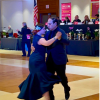

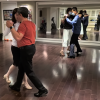
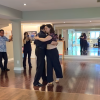


Argentine Tango is an elegant social dance built on walking, listening, and human connection. If you want a clear path to start, this guide explains how beginner Argentine Tango classes work, what to expect in the first weeks, and how to progress with confidence. Written on behalf of Tango Canada Academy, it is designed to be practical, friendly, and immediately useful.
Beginning well matters. When your first experience is structured and welcoming, you build comfort quickly and enjoy the music and community from day one. The sections below show you how to choose the right studio, how to practice between lessons, and how to feel relaxed at your first social dance.
What makes beginner classes different
Beginner Argentine Tango classes are built for absolute newcomers who have never danced tango before. The focus is walking with balance, learning a comfortable embrace, and understanding how to move safely in a shared space. You do not need previous dance experience and you do not need a partner to start. Partner rotation is common and helps you adapt to different body types and styles.
In your first month, beginner Argentine Tango classes should teach posture, simple side steps, the cross, and musical pauses. You will also learn basic floor craft so you can move calmly in a counterclockwise lane during social dances. By the end of the first four weeks, most students feel ready for a guided practice session and a short visit to a friendly social.
How improvisation works at the beginner level
Improvisation in tango is not guesswork. In beginner Argentine Tango classes you learn a clear sequence for weight transfer, the rhythm of the music, and small choices that fit the phrase. The leader proposes direction and timing from the center of the body, and the follower completes each movement with balance and clarity. This shared process feels natural once you have the basics.
Safety and comfort from day one
Good studios teach warmups for ankles and hips, safe pivot mechanics, and step sizes that match room density. You will learn how to keep steps compact when the floor is busy and how to pause together without collapsing. Beginner Argentine Tango classes that emphasize safety help you relax and enjoy the embrace.
How to choose the right studio
Choosing a studio is not just about location. The best beginner Argentine Tango classes have a clear curriculum, skilled teachers, and a kind community. Ask how placement works, whether classes rotate partners, and how the studio supports newcomers at their first social dance.
Look for weekly practice sessions that follow your class. Practice is where simple ideas settle into your body. Beginner Argentine Tango classes paired with supervised practice give you a reliable path to confidence. You should also ask whether the studio offers occasional private lessons for targeted fixes, since one or two focused sessions can remove common frustrations early.
What to ask before you enroll
Ask how large the beginner Argentine Tango classes are and whether there is a consistent teaching team. Quality programs cap class size so you can see demonstrations and receive feedback. It is also useful to know how the studio explains invitation etiquette and floor craft, since these customs make social dancing smooth.
Matching your goals to the format
If your goal is to enjoy weekend socials comfortably, one weekly group lesson and one practice is a great start. If you want faster progress, combine group sessions with a private lesson every few weeks. Hybrid plans make beginner Argentine Tango classes more effective because they address your personal sticking points.
A week by week path for month one
A simple plan keeps you moving forward. In week one, classes introduce posture, embrace, and walking in time. In week two, you learn the cross and a calm pause at musical phrase boundaries. In week three, you add small pivots and gentle back ochos. In week four, you link a tiny turn with clean collections so the movement feels stable.
Beginner Argentine Tango classes that follow this arc help you build comfort step by step. You will notice that teachers repeat essentials like project, transfer, and collect. This repetition is not filler. It is the fastest way to own the basics.
What success looks like after four weeks
You can walk to the pulse without rushing, keep the embrace comfortable, and place simple side steps and a cross with balance. You can also pause together at musical commas. These are the signs that beginner Argentine Tango classes are working for you and that you are ready to visit your first social with a mentor or friend.
Common adjustments in month two
In the second month, expect refinements in posture, smoother pivots, and compact turns. Beginner Argentine Tango classes often introduce tiny adornments and better floor craft. You will keep step sizes honest and learn how to reset calmly when a figure does not work. Calm resets are a key social skill.
What you will learn in class
Beginner Argentine Tango classes focus on four pillars. First is alignment, where head, ribs, and pelvis stack softly with knees relaxed. Second is embrace, which is a living connection that breathes and does not clamp. Third is walking mechanics that include projecting the free leg, transferring weight fully, and collecting with care. Fourth is musical awareness, where you feel the pulse and recognize simple phrases.
You will also learn navigation, which protects the room. Navigation is shared respect for lanes that move counterclockwise. Beginner Argentine Tango classes tie all new patterns back to these pillars so your learning stays simple and effective.
The role of music
Music guides your choices even at the beginner level. You will hear classic orchestras like Di Sarli, D’Arienzo, Troilo, and Pugliese. In beginner Argentine Tango classes you practice walking to the pulse and adding one planned pause per song. This makes your dancing feel composed without adding complexity.
Open and close embrace
Both open and close embrace appear in social rooms. In beginner Argentine Tango classes you start with open embrace so you can see your feet and protect balance. You also learn short moments of close embrace using breath and careful step size. The aim is comfort and clarity in both forms.
What to bring to your first class
Wear comfortable clothing that allows movement through the hips and shoulders. Choose shoes with leather or suede soles that pivot smoothly. Sticky rubber fights rotation. Bring water, a small towel, and curiosity. Beginner Argentine Tango classes are friendly and focus on steady progress rather than perfection.
Studios provide a partner rotation system so you can adapt to different bodies and learn social skills. This is one reason why beginner Argentine Tango classes are a good place to make friends who share your new interest.
Shoes and surfaces
If you do not have dance shoes yet, wear clean, low-friction footwear with closed toes. Many studios have wooden floors that are perfect for pivots. The right surface helps your ankles and knees stay comfortable as you learn.
Health and comfort
Warm up lightly before class with ankle circles and hip mobility. Between songs, sip water and practice soft breathing to reduce tension. Beginner Argentine Tango classes feel easier when you care for your body in small ways.
A simple practice plan between sessions
Short, regular sessions beat long, irregular ones. Practice twenty minutes at home twice a week. Start with posture for two minutes. Walk slowly for four minutes, stepping one beat at a time. Do quarter turn pivots for four minutes. Breathe in the embrace for three minutes. Link a mini sequence of walk, cross, pause, and two back ochos for seven minutes. This routine supports what you learn in beginner Argentine Tango classes.
Consistency helps your nervous system encode timing and balance. When you return to class, everything feels familiar and relaxed. You progress faster without adding strain.
A six week music plan
Listen to Di Sarli for two weeks while walking and pausing. Switch to D’Arienzo for clearer rhythm the next two weeks. Finish with Troilo or Pugliese for expression during pauses. This plan gives musical exposure that makes beginner Argentine Tango classes more rewarding.
Tiny goals that stack up
Choose one focus per week like collecting fully or softening the knees. Keep goals small. Small goals are easier to remember and they add up quickly. You will feel the difference within a few tandas.
Quick wins for your first month
- Arrive ten minutes early to feel the floor and breathe
- Keep steps smaller than you think you need
- Walk for the first thirty seconds of each song
- Add one planned pause per track
- Collect between each step and each segment of a turn
- Invite with kind eye contact and a smile at practice
- Thank partners and note one success from each dance
- Ask one question per class to clarify a single idea
- Write a two line practice note after each session
- Celebrate small improvements and keep the routine
These habits make beginner Argentine Tango classes smoother and build confidence quickly.
How social dances work
Social dances follow milonga customs that make the room peaceful and musical. Couples travel in counterclockwise lanes. Dancers invite with eye contact and a small nod. Songs are grouped in tandas and separated by cortinas. You will learn these customs in beginner Argentine Tango classes so your first social feels safe.
Starting your first social visit with a calm orchestra helps set the tone. Walk together for the first song, keep steps compact, and pause with the phrase. You will discover that social dancing rewards patience and listening.
Floor craft is part of the art
Respect the space in front of you and avoid overtaking. If the couple ahead pauses, pause with them. Keep embellishments small unless you are sure there is room. Beginner Argentine Tango classes that practice floor craft create considerate partners who are welcome on any floor.
How to reset if something goes wrong
If a figure does not work, collect, breathe, and simply walk again. Calm resets are a high level skill and everyone appreciates them. You will learn these resets in beginner Argentine Tango classes to protect balance and comfort.
Why Choose Tango Canada Academy
Tango Canada Academy takes a clear, kind approach that connects classroom learning to real social floors. Our teachers show you how posture, embrace, and music create dancing that feels calm and expressive. We link every new pattern back to fundamentals so your progress is steady and enjoyable.
You will find a progressive curriculum that makes beginner Argentine Tango classes accessible and motivating. We host weekly practice sessions with coaching, give simple home drills you can actually do, and offer optional private lessons for targeted breakthroughs. The community is friendly, inclusive, and focused on safe navigation and musical listening.
Canadian resources that support your learning
Canada offers public programs that encourage arts participation and community projects. These programs often support events, workshops, and cultural learning that complement beginner Argentine Tango classes.
- Canada Council for the Arts — Dance
Grants and programs that support dance creation, participation, and training across Canada - Canadian Heritage — Arts and Cultural Participation
National initiatives that foster cultural engagement and community arts
Exploring these links can lead you to festivals, music events, and training opportunities that enrich your local scene.
Your roadmap for the first twelve weeks
Plan your first season in three blocks. Weeks one to four focus on posture, embrace, pulse walking, and the cross. Weeks five to eight refine pivots, compact turns, and musical pauses. Weeks nine to twelve build consistency at socials with calm navigation and simple phrase choices. Beginner Argentine Tango classes aligned to this plan give you a realistic path to comfort.
Your mindset matters. Choose presence over perfection, small wins over big leaps, and kindness over pressure. With this approach you will enjoy every step of the journey.
Start today and keep it simple
The fastest way to become comfortable is to begin with structure and stay consistent. Choose a studio with a clear curriculum, show up weekly, practice short sessions at home, and visit a friendly social with a mentor or friend. Beginner Argentine Tango classes are your entry to a community where music, movement, and conversation come together.
Tango Canada Academy invites you to take a trial class and experience how a calm walk on good music can change your week. Start small, learn steadily, and enjoy the partners you meet along the way. Your first tanda is waiting.
Frequently Asked Questions
1) How long until I feel comfortable in beginner Argentine Tango classes?
Most students feel comfortable after eight to twelve weeks if they attend weekly and practice a little at home. Short, consistent routines make beginner Argentine Tango classes easier and more enjoyable.
2) Do I need a partner to join beginner Argentine Tango classes?
No partner is required. Studios often rotate partners to build adaptability and social skills. Rotation makes beginner Argentine Tango classes friendly for newcomers.
3) What shoes should I wear to beginner Argentine Tango classes?
Wear shoes with leather or suede soles that pivot smoothly. Avoid sticky rubber. Closed toes help with comfort while you learn. Good footwear supports healthy pivots in beginner Argentine Tango classes.
4) How often should I practice outside beginner Argentine Tango classes?
Two short home sessions per week are enough to see progress. A twenty minute routine that includes posture, slow walking, small pivots, and one mini sequence supports beginner Argentine Tango classes.
5) Will musicality be taught in beginner Argentine Tango classes or later?
Yes, from the start. You will learn to hear pulse, notice simple phrases, and plan one pause per song. This early musical awareness makes beginner Argentine Tango classes feel expressive without adding complexity.
6) What is the difference between practice sessions and socials for students in beginner Argentine Tango classes?
Practice sessions are supervised and allow stopping and repeating. Socials are community events with tandas and cortinas. Both are useful, and both are introduced during beginner Argentine Tango classes.
7) How do I choose the right level if I am unsure about beginner Argentine Tango classes?
Take a placement consult or trial lesson. If you can walk in time, collect reliably, and keep steps compact, you may be ready for the next level. If not, beginner Argentine Tango classes will give you the fastest path to confidence.


Comments are closed