

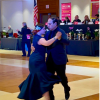

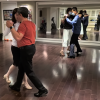
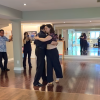


If you are curious about social dance, community, and a new way to listen to music, you are in the right place. Argentine Tango Canada is more than a search term you type into your browser. It is a living scene of classes, practicas, and milongas across cities large and small. At Tango Canada Academy, we meet new dancers every week who want a clear, friendly path to begin. This guide explains how Argentine Tango Canada looks in real life, what to expect in your first month, how to choose classes, how to practice, and how to feel comfortable at your first social.
Argentine Tango Canada is not only about steps. It is about connection, posture, timing, and kindness on a shared floor. Most people discover that once they understand how to build a simple walk and a responsive embrace, the dance becomes enjoyable very quickly. With the right plan, Argentine Tango Canada can become your weekly habit, your creative outlet, and your way to meet a supportive community.
What makes Argentine Tango different
A social dance built on listening
Argentine Tango is improvised. Partners build short phrases together by listening to the music and to each other. When people talk about Argentine Tango Canada, they are talking about this social version that lives in local communities.
Core principles for beginners
- Walk with full weight transfers
- Keep a comfortable, living embrace
- Match step size to the room
- Pause with the phrase, not at random
These ideas are the reason Argentine Tango Canada feels elegant even at the beginner level.
Music that shapes your choices
Classic orchestras such as Di Sarli, D’Arienzo, Pugliese, and Troilo teach different qualities of movement. You will learn to hear pulse, phrasing, and the right moments to pause. Argentine Tango Canada thrives because teachers introduce this musical awareness from the start.
How Argentine Tango Canada looks in your city
The ecosystem: classes, practicas, milongas
- Classes teach fundamentals and short combinations
- Practicas are guided practice sessions where you can stop and ask questions
- Milongas are social dance events with tandas and cortinas
In most regions, Argentine Tango Canada follows a weekly rhythm. You take class on a weekday, practice once or twice, and visit a milonga on the weekend.
Seasonal realities in Canada
Winter shows how welcoming the scene can be. City studios keep floors warm, and indoor seasons are busy. Summer adds outdoor events and festival weekends. Argentine Tango Canada adapts to the calendar so you will have options all year.
How to choose your first class
Map your goal to the right level
If your goal is to dance a full tanda calmly, start with a beginner or foundation course. If you have some experience in other partner dances, you can still begin here and progress quickly. A correct placement makes Argentine Tango Canada feel friendly rather than overwhelming.
Questions to ask a studio
- How large are beginner classes
- Do you rotate partners
- Do you teach etiquette and floor craft
- Do you host practicas for integration
- Is there a clear path from beginner to improver
When these answers are clear, Argentine Tango Canada will feel structured and supportive.
Group, private, or hybrid
- Group classes provide partner variety and community
- Private lessons give targeted fixes for posture, balance, and timing
- Hybrid plans usually work best for momentum
A simple hybrid plan can be one group class per week, one practica, and one private lesson every three to four weeks. With this cadence, Argentine Tango Canada becomes a steady part of your routine.
Your first month timeline
Week 1: Walk, embrace, and side steps
You will learn to align head, ribs, and pelvis, soften the knees, and carry the arms with the back. You will also learn a relaxed open embrace. This is the foundation that makes Argentine Tango Canada enjoyable.
Week 2: The cross and musical pauses
You will add the cross on the follower side and practice pausing at phrase boundaries. You will notice that Argentine Tango Canada values timing more than tricks.
Week 3: Back ochos and tiny pivots
Small pivots build balance and coordination. The goal is control, not size. Argentine Tango Canada scenes are often busy, so compact steps make you a safe and welcome partner.
Week 4: Forward ochos and a small turn
You will link simple elements with calm transitions. By the end of week four, many students feel ready to try a short visit to a friendly milonga. This is when Argentine Tango Canada begins to feel like home.
Getting comfortable on the social floor
Floor craft and etiquette
Milongas use lanes that move counterclockwise. Keep your lane, avoid overtaking, and size steps to traffic. Invite partners with eye contact and a nod. These customs help everyone relax, and they are part of the culture of Argentine Tango Canada.
Confidence at your first milonga
Start with inner lanes and compact steps. Choose a calm orchestra for your first tanda. Thank your partner at the end of the set. With these small choices, Argentine Tango Canada will feel welcoming from day one.
Gear that works
Shoes and clothing
Choose leather or suede soles that pivot easily. Avoid sticky rubber. Wear comfortable clothing that allows free motion in the hips and shoulders. You do not need formal wear. Most people in Argentine Tango Canada dress smart casual for classes and slightly more polished for milongas.
Health and comfort
Warm your ankles and hips, sip water between tandas, and rest when you feel fatigued. This care helps you enjoy Argentine Tango Canada for years.
Practice plan for real progress
A 20 minute routine you can repeat
- Posture stack for 2 minutes
- Slow walk to the pulse for 4 minutes
- Quarter turn pivots for 4 minutes
- Embrace breathing for 3 minutes
- Mini sequence for 7 minutes: walk, cross, pause, two back ochos, collect
Consistency makes Argentine Tango Canada feel easy sooner than you think.
Music plan for six weeks
- Weeks 1 to 2: Di Sarli for long lines
- Weeks 3 to 4: D’Arienzo for rhythm clarity
- Weeks 5 to 6: Troilo or Pugliese for elastic phrasing
This simple listening map supports your understanding of Argentine Tango Canada without heavy theory.
Common beginner mistakes and better choices
Collecting figures instead of skills
Trade ten new steps for one clean pivot with balance. This choice speeds up everything else and keeps tango dancing in Canada enjoyable.
Overleading with hands
Lead from the center. Let the arms be quiet messengers. Your partners will notice, and you will feel how Argentine Tango Canada rewards kindness in the embrace.
Rushing the music
Plan one pause per song. Breathe together. The room will feel calmer and your dancing will feel musical.
Quick wins for week one
- Arrive ten minutes early to breathe and feel the floor
- Keep steps smaller than you think you need
- Match your step size to the room
- Practice one planned pause in each song
- Start with walking for the first track of a tanda
- Thank partners and remember one success from each dance
Small habits create momentum. They also make Argentine Tango Canada feel friendly and efficient.
Building community through Argentine Tango Canada
How the scene supports you
Studios welcome new dancers. Volunteers run events and host practicas. Musicians and DJs keep traditions alive. By joining this network, you will discover that Argentine Tango Canada is a community that grows with your participation.
Travel and festivals
Across Canada there are special weekends where dancers from multiple cities gather. These events feature guest teachers, live music, and late socials. When you feel ready, attend one to deepen your connection to tango dancing in Canada.
Why Choose Tango Canada Academy
Tango Canada Academy focuses on clear fundamentals and a positive, supportive learning culture. We teach posture, embrace, and musical listening as practical skills you can use the same day. Our programs are designed to make tango dancing in Canada feel accessible for complete beginners and rewarding for improvers and intermediates.
What you can expect
- Progressive curriculum that links technique to real social comfort
- Instructors with international teaching and performance experience
- Weekly practicas and gentle etiquette coaching
- Optional video feedback and short home drills
- A community culture that values clarity, kindness, and safe navigation
If your goal is to enjoy Argentine Tango Canada with confidence, this is where you can start and grow.
Canadian resources that support your dance journey
Canada offers national programs that help communities learn and share the arts, including social dance. Explore these resources to extend your learning, find events, and connect with creative projects that enrich Argentine Tango Canada.
- Canada Council for the Arts — Dance: programs and grants that support dance participation and training
- Canadian Heritage — Arts and Cultural Participation: national initiatives that foster cultural learning and engagement
These sites can help you locate workshops, festivals, and community projects that complement your classes and support Argentine Tango Canada.
Cities and contexts: how to adapt
Large city scenes
In large cities with busy calendars, you will find multiple weekly milongas and layered class options. Plan your week so you do not overload. Argentine Tango Canada is a marathon, not a sprint.
Small community scenes
In smaller communities, a single studio might cover all levels and host a monthly social. Use online music practice and consider periodic private lessons to keep momentum. This is still a rich path in Argentine Tango Canada.
Safety and longevity
Joint friendly habits
Keep step size honest, pivot on a free foot, and avoid twisting the knee under load. If a surface is very sticky, practice smaller. Safe habits allow you to enjoy Argentine Tango Canada without discomfort.
Mindset for growth
Trade perfection for presence. A calm tanda with a simple walk is good dancing. With this mindset, Argentine Tango Canada becomes a source of joy rather than pressure.
Building your personal style
Start with clarity
A clear walk and a comfortable embrace are your signature. Style grows from clarity. As you relax, you will add adornos and phrasing choices that feel natural. Argentine Tango Canada celebrates personal voice within shared respect.
Your path through Argentine Tango Canada
Beginning this journey is simple. Choose a level that matches your current skills, add a short home routine, visit a practica, and try your first milonga when you feel ready. With a clear plan, supportive coaching, and a kind community, Argentine Tango Canada becomes a part of your week that you look forward to. At Tango Canada Academy, we invite you to take the next step. Book a trial class, bring a friend if you like, and discover how a calm walk on good music can change the way you move and the way you listen.
Argentine Tango Canada is waiting for you. Start small, learn steadily, and enjoy the people you meet along the way.
Frequently Asked Questions
1) How long does it take to feel comfortable with Argentine Tango Canada as a beginner?
With one group class per week, one practica, and a short home routine, many students feel comfortable in eight to twelve weeks. You can enjoy Argentine Tango Canada at a social level in your first season.
2) Do I need a partner to start Argentine Tango Canada classes?
You can begin without a partner. Most studios rotate partners so you learn adaptability and comfort. Rotation is part of how Argentine Tango Canada builds community.
3) What shoes should I buy for Argentine Tango Canada if I am brand new?
Choose leather or suede soles that pivot smoothly. You do not need high heels or specialty footwear on day one. The aim is safe rotation and stable posture for Argentine Tango Canada.
4) How often should I practice outside class to grow in Argentine Tango Canada?
Two short sessions of ten to twenty minutes per week are enough to see progress. Short and consistent beats long and rare. This is the easiest way to build momentum in Argentine Tango Canada.
5) Is musicality taught in beginner courses for Argentine Tango Canada, or is it advanced only?
Good programs introduce pulse and phrasing right away. You will learn to pause with the phrase and to match step size to music. This is central to Argentine Tango Canada from the start.
6) What is the difference between a practica and a milonga in Argentine Tango Canada?
A practica is a relaxed practice time where you can stop, repeat, and ask questions. A milonga is a social dance with tandas and cortinas. Both are important in Argentine Tango Canada.
7) How do I choose the right level at Tango Canada Academy if I am new to Argentine Tango Canada?
Take a placement consult or a trial class. If you can walk on the pulse, collect consistently, and keep steps compact, you may fit improver. If not, a foundation series will give you the fastest progress in Argentine Tango Canada.


Comments are closed