

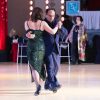
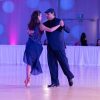

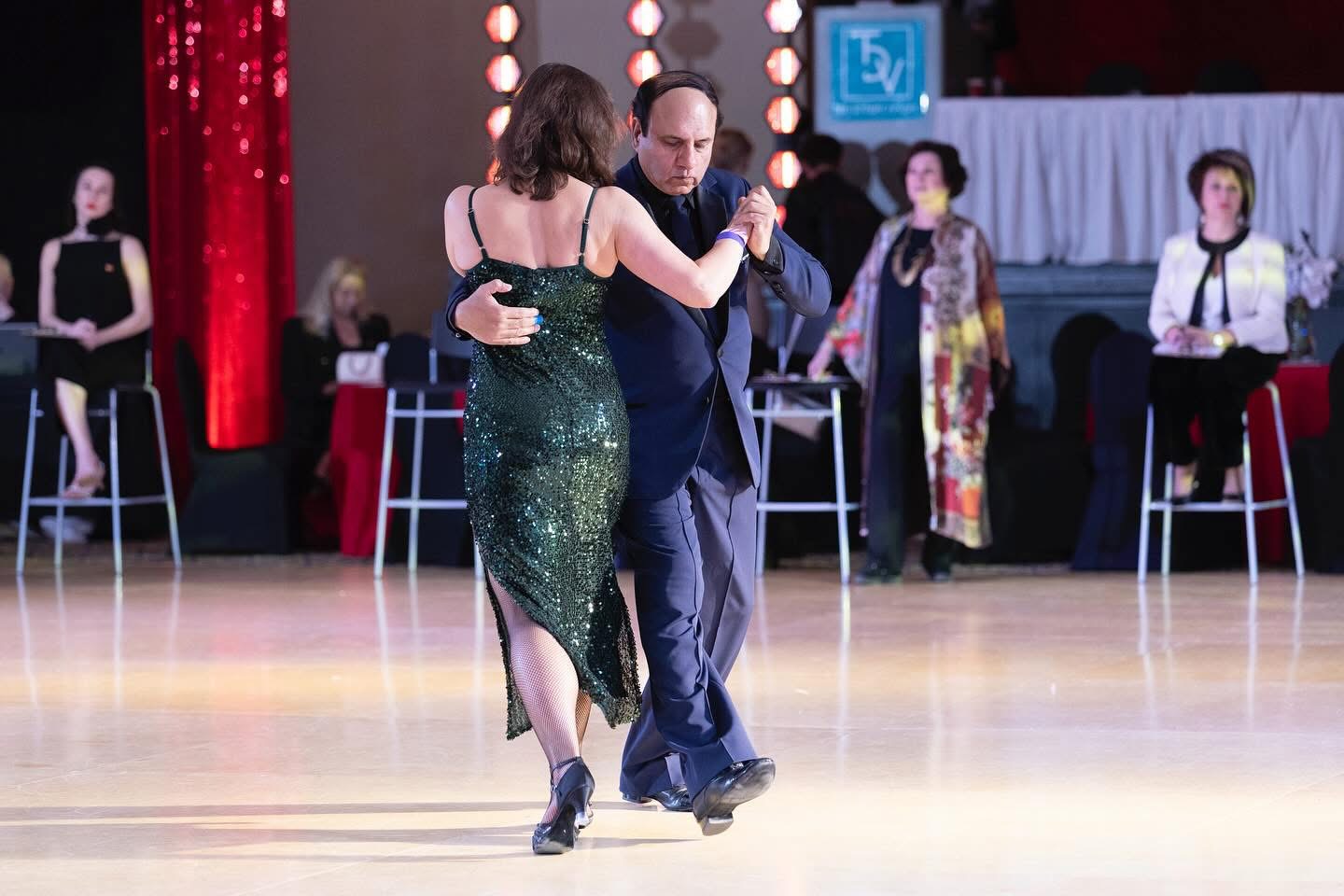
Argentine tango is a powerful stage language built from precision, presence, and musical storytelling. If you have ever watched a championship performance and wondered how dancers create that level of clarity and emotion, the answer sits inside structured training that transforms social habits into stage craft. Competitive tango coaching gives you the roadmap, the drills, and the feedback loops that convert your potential into consistent results when the lights turn on.
At Tango Canada Academy, we work with emerging and experienced performers who want to compete with integrity and artistry. The focus is not tricks for trophies. The focus is smart periodization, crisp technique under pressure, and choices that judges recognize as clean, musical, and safe. With the right competitive tango coaching plan, you can step onto a festival platform or championships floor with calm confidence and deliver your best dance on demand.
What Is Competitive Tango Coaching
Competitive tango coaching is a targeted training system designed to build performance reliability and measurable progress. Instead of open ended classes, your calendar maps to milestones. Each week and each month has a purpose that supports the next test, showcase, or qualifier. You do not guess at what to practice. You follow a plan that aligns technique building, choreography, conditioning, and mental rehearsal so everything peaks together.
The outcome is not only a stronger stage performance. The outcome is clarity in your everyday practice. Competitive tango coaching shows you exactly how to use ten or twenty minutes efficiently when you are alone, what to polish with your partner, and how to test your readiness before you spend time or money on travel. The program teaches you to be your own coach between sessions so you progress steadily even when life is busy.
Who Benefits Most
Dancers shifting from social floors to performance floors gain structure, accountability, and objective standards. Experienced competitors returning after a break regain sharpness quickly and learn new scoring expectations. Professionals who teach can also use competitive tango coaching to refine demonstration quality, build safer technique for students, and protect longevity while elevating artistry.
How Stage Goals Differ From Social Goals
Social nights reward kindness, safe navigation, and musical listening in crowded rooms. Stage goals add precision at distance, projection to the back row, and choreography that reads in under three minutes. Competitive tango coaching bridges these worlds, turning social skills into repeatable stage choices without losing the human connection that makes tango unique.
From Social To Stage: Closing The Skill Gap
The gap between a comfortable social tanda and a clean competitive round is not as large as it looks. The same walk, embrace, and musical ear can carry a program when developed with intention. The difference is that judges must read your choices clearly and consistently in real time. Small wobbles, rushed phrases, and unclear pivots that survive a busy floor become visible on stage. Competitive tango coaching targets these points so your strength shows and your weaknesses do not distract.
A proven way to close the gap is to divide your work into base layers, performance layers, and stress layers. Base layers build alignment, axis, and footwork precision. Performance layers build phrasing, breath, and aesthetic polish. Stress layers simulate heat, lights, and crowd energy. Your body learns to keep quality even when nerves amplify. Competitive tango coaching sequences these layers so each rehearsal adds to the last instead of scattering your focus.
Base Layers That Matter Most
You need an honest axis, quiet feet, compact pivots, and weight transfers that finish. These are simple ideas, but under pressure they separate finalists from the middle of the pack. Competitive tango coaching tightens these skills with metrics you can track: number of quiet steps per minute, pivot angle consistency, and collection fidelity between segments.
Performance Layers That Judges See
Judges see breath led timing, clear phrasing, musical stillness, and a partnership that reads as one voice. They see a tango body that expands and settles without breaking alignment. They see a walk that can fill a theater with intent. Competitive tango coaching gives you concrete drills for each of these performance layers so your dance reads on video and from the judges’ table.
What Judges Score: Technical Pillars And Artistic Criteria
Most events publish criteria that include timing, technique, musicality, partnership, and presentation. Your job is to make these pillars visible and consistent from first bar to last bar. That begins with a crisp walk that lands softly and continues with pivots that do not wobble, turns that remain centered, and adornos that stay on time.
The artistic criteria go beyond steps. Judges value phrasing choices that fit the orchestra, stillness that breathes, and an embrace that looks and feels alive. They notice whether energy rises and falls in a coherent arc or remains flat. Competitive tango coaching treats these criteria as trainable skills, not mysteries. You practice them in small segments until they are second nature.
Technical Pillars You Can Measure
Your alignment can be checked in the mirror, your timing against a metronome or track, and your collections on video frame by frame. When you can measure, you can improve. Competitive tango coaching builds a short checklist for each pillar so you collect honest data without losing the artistic spirit.
Artistic Criteria You Can Shape
Artistic choices follow the music. You decide where to stretch, where to compress, and where to pause. You decide how small gestures tell the story. Competitive tango coaching helps you choose an arc that fits your piece and your strengths, then shows you how to repeat that arc reliably across multiple rounds.
The Training Framework: Periodization For Peak Performances
Peak performances do not appear by accident. They appear when volume and intensity follow a plan. Periodization breaks your season into base, build, peak, and recover. Base develops capacity. Build adds complexity. Peak refines quality at performance speed. Recover resets the system so your next cycle can rise higher. Competitive tango coaching structures these blocks around your competition dates to maximize readiness.
In the base phase, you spend more time on slow drills, posture stacking, pulse walks, and compact pivots. In the build phase, you add choreography density, difficult transitions, and musical challenges. During the peak phase, you shorten sessions, sharpen details, and run complete rounds on real floors in costume shoes. The recover phase trims volume and keeps the body fresh while maintaining key habits. Competitive tango coaching keeps every week purposeful inside this larger map.
Weekly Structure You Can Keep
Most dancers succeed with two technical sessions, one choreography rehearsal, one coached practice, and one recovery session. Technical sessions invest in axis, pivots, and turns. Choreography rehearsals integrate those skills at tempo. Coached practice simulates round conditions. Recovery restores mobility and breath. Competitive tango coaching adapts this structure to your schedule so you make progress without burnout.
Metrics That Drive Progress
Use simple metrics that matter: quiet steps per minute, pivot stability scores, round completion quality, and timing accuracy on video. Track only a few at a time. Competitive tango coaching keeps data focused so numbers serve artistry instead of replacing it.
Precision Drills That Convert To Stage
The best drills are small, repeatable, and directly relevant to what judges see. You do not need an hour of practice to change your dance. You need ten minutes where every rep counts. The following examples represent the kind of targeted work that competitive tango coaching deploys throughout the season.
A posture stack and hold teaches the body a neutral, ready position. A pulse walk to Di Sarli builds quiet landings and phrase awareness. Quarter pivot ladders create rotational integrity that survives nerves. Compact molinetes around a fixed center maintain geometry in tight spaces. Breath led pauses teach stillness that reads across a room. Competitive tango coaching pairs each drill with one clear cue and a known outcome so you know when to progress.
Three Drills For Axis And Walk
Hold thirty seconds of stacked posture with soft knees, then take one step and collect. Repeat six times. Walk one beat at a time for two minutes whispering project, transfer, collect to keep sequencing honest. Switch to two beats per step for phrasing practice. Competitive tango coaching uses these drills to make steps quiet and predictable under speed.
Three Drills For Rotation And Turns
Rotate the torso a quarter turn, allow hips and feet to follow, then collect. Do four in each direction. Practice back ochos on a line with full collections between. Build a compact molinete with forward, side, back, side around a stable center. Competitive tango coaching uses small angles first, then increases rotational demand as stability improves.
Choreography And Performance Craft
Choreography is not a sequence of favorite figures. It is a musical map with a clear arc. The opening establishes relationship and tone. The middle develops tension with contrasts. The ending resolves on a phrase boundary that honors the orchestra. Competitive tango coaching begins with the music, sketches a narrative shape, and sets movement that reads cleanly at distance.
Transitions are a frequent weak point. They are also where judges decide whether your piece is truly finished. Polished transitions hide the seams. This work includes step size control, collection timing, and breath cues that both partners can feel. Competitive tango coaching refines these transitions until they are invisible to the audience and automatic for you.
Choosing Music That Fits
Pick music that matches your physical and expressive strengths. Large elastic phrases suit some bodies. Crisp rhythmic tracks suit others. Try multiple options early, then commit. Competitive tango coaching helps you test pieces on video and in small showings so you see what communicates best before you lock in.
Making Stillness Visible
Stage stillness is not stopping. It is charged quiet. You shape the frame with breath and keep energy inside the embrace. Judges read this as command. Competitive tango coaching trains stillness with timed holds, rib expansion cues, and reentry steps that do not rush.
Mindset, Conditioning, And Recovery
You cannot separate body, mind, and voice on stage. Pressure shortens breath and tightens steps. Conditioning keeps movement effortless and reduces injury risk. Mindset tools keep intention clear when adrenaline spikes. Recovery lets training gains consolidate so you keep rising as the season continues. Competitive tango coaching treats these elements as part of the work, not extras.
Conditioning emphasizes ankle and hip mobility, calf and glute endurance, and core stability for long rounds. Mindset emphasizes simple routines you can repeat anywhere. Recovery emphasizes sleep, hydration, and gentle mobility on off days. Competitive tango coaching blends these habits into your week so they become automatic.
Simple Mindset Routines
Use a three breath reset before each run: inhale to widen, exhale to settle, inhale to prepare. Follow with a single cue word like tall or calm. End rehearsals with a gratitude note so the brain links hard work with positive feeling. Competitive tango coaching builds these small routines into rehearsal so they show up on stage without effort.
Conditioning You Can Keep
Ten minutes of ankle circles, calf raises, hip mobility, and plank variations two or three times per week is enough to change endurance and balance. Short, regular sessions matter more than long ones. Competitive tango coaching keeps conditioning simple so you never skip it.
Ten Competition Day Habits That Pay Off
Two strong paragraphs explain why checklists prevent avoidable errors and keep your attention on performance. When nerves rise, cognitive bandwidth shrinks. The brain forgets simple things like shoes, water, or where to enter. A short list protects weeks of work. Competitive tango coaching builds your routine around controllable choices so nothing small derails a big day.
Run this list the night before and again when you arrive. Treat each item as a switch that powers one part of your readiness. When the switches are on, your body can focus on musical decisions and partnership instead of logistics. This is how you deliver the same quality in warmup and on stage.
- Pack both pairs of shoes and test the soles on the venue floor
- Walk three slow laps to map traction and lane size
- Mark two planned pauses in your piece and commit to them
- Choose one cue word for alignment and one for timing
- Do a one minute posture stack and six quiet steps
- Run the ending twice for clean memory under pressure
- Agree on a simple recovery if a figure fails
- Hydrate during the previous tanda and keep shoulders loose
- Enter at a phrase boundary and start with a calm walk
- Finish with stillness, breathe, and exit cleanly
Canadian Resources That Support Your Path
Canada offers national programs that back arts training, creation, and community participation. Pair these with your studio plan to access funding, residencies, workshops, and festivals that expand your rehearsal time and performance opportunities. Focus on grants for training intensives, mentorship, or touring to underwrite coaching blocks, studio hours, or travel.
- Canada Council for the Arts — Dance
- Canadian Heritage — Arts and Cultural Participation
Why Choose Tango Canada Academy
Tango Canada Academy specializes in practical programs that convert practice hours into performance reliability. Our competitive tango coaching integrates technical diagnostics, musical phrasing, choreography craft, and mindset routines so you peak when it counts. The approach is collaborative and data informed, with clear metrics that show progress without draining the joy from your dance.
You will train in a supportive environment that balances precision with artistry. Sessions include concise cues, targeted video feedback, and coached run throughs that simulate round conditions. The curriculum connects base skills to stage choices, then pressure tests those choices in realistic scenarios. If you want a program that respects your individuality while preparing you for objective standards, our competitive tango coaching is built for you.
Make Your Best Dance Repeatable
Stepping onto a competition floor should feel like the natural result of a plan. When your calendar is organized, your drills are focused, and your mindset is calm, performance day becomes another well executed rehearsal with lights. Competitive tango coaching gives you the structure to reach that feeling. You learn what to practice, how to measure progress, and how to protect quality when adrenaline surges.
If you are ready to move from intention to results, schedule a consult at Tango Canada Academy. Bring your goals, your current video, and your next event date. We will craft a season plan, begin targeted diagnostics, and start building the routines that make great dancing repeatable. Your stage is waiting, and the path from here to there is clear.
Frequently Asked Questions
1) How many months of competitive tango coaching do I need before my first event?
Most dancers benefit from eight to twelve weeks to build base layers, integrate choreography, and run pressure tests. With consistent competitive tango coaching, you can be stage ready in one season.
2) Can social dancers transition successfully with competitive tango coaching?
Yes. Social skills are a strong foundation. Competitive tango coaching adds clarity, projection, and reliability so your strengths read at distance and under judging criteria.
3) How many sessions per week work best for competitive tango coaching?
Two technical sessions, one choreography session, and one coached practice each week create steady progress. This structure is a proven core inside competitive tango coaching.
4) Do I need a partner to start competitive tango coaching?
You can start solo with diagnostics, base drills, and conditioning. When a partner joins, the program shifts to partnering, phrasing, and stage craft. Solo work remains part of competitive tango coaching throughout the season.
5) What kind of music should I select when planning with competitive tango coaching?
Choose tracks that fit your body and story. Test Di Sarli for long lines, D’Arienzo for rhythmic clarity, Troilo for lyric warmth, or Pugliese for tension and release. Your coach will guide selection inside competitive tango coaching.
6) How do nerves factor into competitive tango coaching?
Mindset routines, simulated rounds, and breath led cues are built into training. You rehearse under time constraints so the body keeps quality. This is central to competitive tango coaching.
7) Will competitive tango coaching improve my social dancing as well?
Yes. Cleaner axis, quieter feet, and better phrasing make social nights calmer and more enjoyable. The benefits of competitive tango coaching carry directly onto the social floor.


Comments are closed