



When most people hear the word “tango,” images of dramatic poses and fiery footwork come to mind. But what many don’t realize is that there are multiple styles of tango, each with distinct characteristics, cultural roots, and musical interpretations. Among these, Argentine Tango stands apart as a deeply emotional, improvisational, and culturally rich dance form that continues to captivate dancers worldwide.
At Tango Canada Academy, we often hear the question: “Isn’t tango just tango?” Our answer is always the same—understanding the difference between a general tango and the Argentine Tango opens the door to a more profound appreciation of movement, music, and connection. This post will help you uncover those differences and discover why so many dancers fall in love with the Argentine Tango, particularly when considering the nuances between tango and an Argentine Tango, including its emotional depth and unique character. We will explore the distinctions and the beauty inherent in both styles of dance, focusing on the tango and an Argentine Tango. The connection between tango and an Argentine Tango is crucial to understanding their unique attributes.
Understanding the Origins: A Tale of Two Tangos
The Birthplace of Tango
Tango as a genre originated in the late 19th century in the working-class neighborhoods of Buenos Aires, Argentina, and Montevideo, Uruguay. It was a melting pot of African, European, and Indigenous influences.
When we discuss tango and an Argentine Tango, it is essential to recognize their origins and influence on today’s dance culture.
Argentine Tango: Rooted in Culture
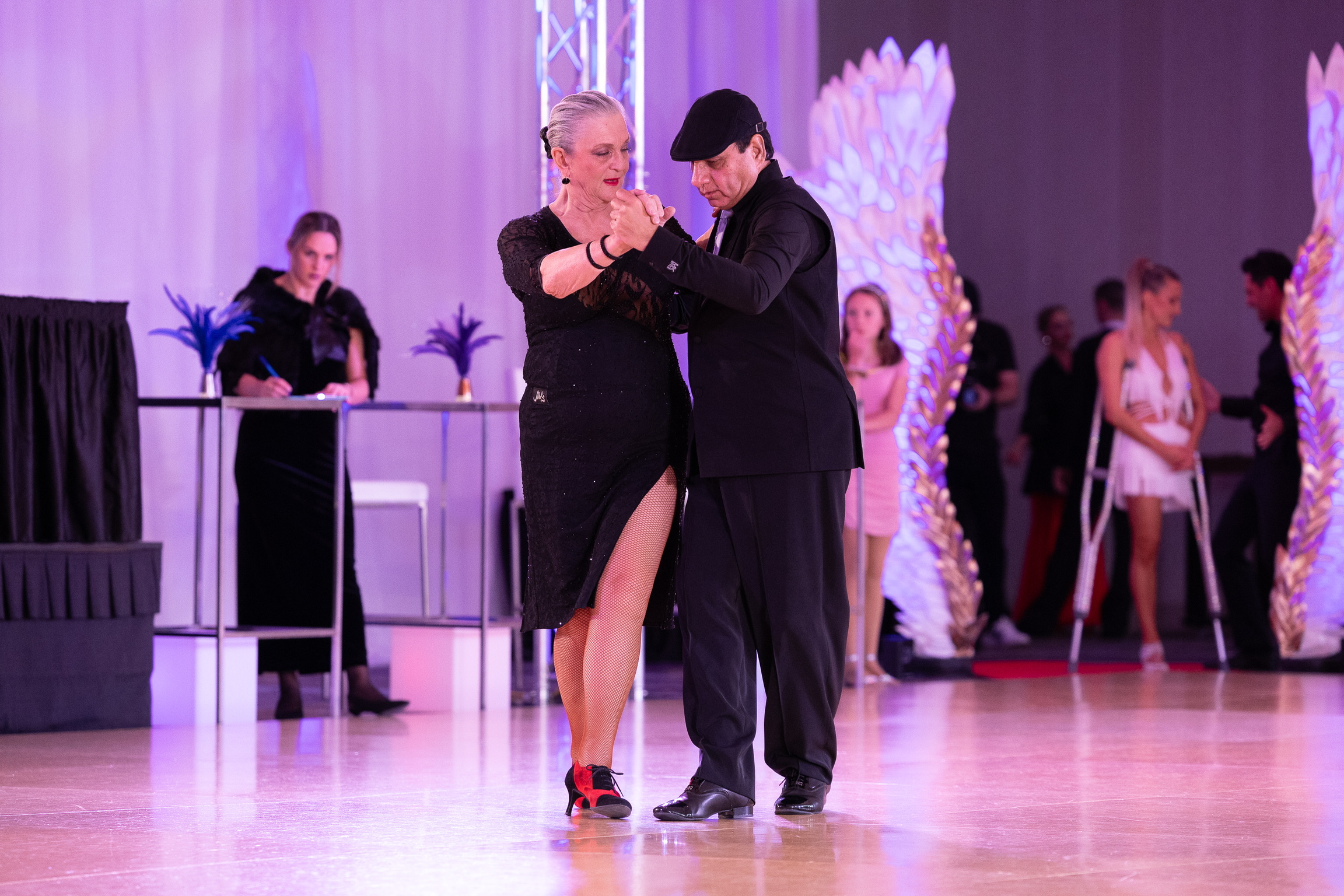
Argentine Tango evolved from this cultural fusion and remained closely tied to the people of Buenos Aires. It was danced in small cafés, street corners, and milongas (tango social events), emphasizing emotional expression and close connection.
This cultural tie is particularly evident when we consider how tango and an Argentine Tango have shaped the social fabric of dance communities.
Ballroom Tango: A Globalized Offshoot
Ballroom tango, often referred to simply as “tango,” developed later in Europe and the United States. It became part of competitive ballroom dancing, with standardized steps, stiffer postures, and a more dramatic flair.
Key Differences Between Tango and Argentine Tango
Understanding the Differences: Tango and an Argentine Tango
The essence of tango and an Argentine Tango can be felt in every step as dancers navigate their emotions through the music.
1. Style and Technique
Argentine Tango
- Improvised steps rather than memorized sequences
- Emphasis on musical interpretation
- Fluid, grounded movement
- Close embrace or open embrace based on the music and partner
Ballroom Tango
- Choreographed and regulated for competitions
- Quick, sharp movements with a staccato feel
- Fixed posture and frame
- Rigid styling designed for judges’ viewing
2. Music and Rhythm
Music of Argentine Tango
Argentine Tango music is rich in nuance and emotion. It often includes instruments like the bandoneón and violin. Tempo and mood can vary significantly within one song.
Understanding the music of tango and an Argentine Tango enhances the overall dance experience.
Music of Ballroom Tango
Ballroom tango uses more predictable, metronomic rhythms. The music is often composed for performance or competition, lacking the emotional shifts of Argentine music.
3. Cultural Connection
Argentine Tango is more than a dance—it’s a cultural experience. It’s linked with poetry, art, and social gatherings.
This cultural significance is often overlooked when discussing the broader context of tango and an Argentine Tango.
Ballroom tango is primarily about presentation and technical excellence. While beautiful, it’s detached from the cultural roots of its Argentine counterpart.
A Side-by-Side Comparison: Argentine vs. Ballroom Tango
Here’s a quick breakdown of the fundamental differences:
|
Feature |
Argentine Tango |
Ballroom Tango |
|
Origin |
Buenos Aires, Argentina |
Europe/United States |
|
Structure |
Improvised |
Choreographed |
|
Embrace |
Close or open |
Fixed frame |
|
Music |
Emotional, varied tempo |
Rhythmic, consistent |
|
Setting |
Social events (milongas) |
Competitive ballroom floor |
|
Footwork |
Fluid, responsive |
Sharp, stylized |
|
Focus |
Connection and interpretation |
Technique and presentation |
This contrast helps explain why dancers often choose one style over another, depending on their goals and interests.
Tango as a Social Language: The Role of Improvisation
Leading and Following in Argentine Tango
Argentine Tango thrives on non-verbal communication. Each dance is a unique conversation between the lead and follow. Unlike ballroom, where routines are practiced in advance, Argentine Tango challenges dancers to listen, feel, and respond in the moment.
Navigating the Floor
In a milonga, dancers move counterclockwise in lanes. Navigation is part of the artistry and safety of the dance—something uniquely emphasized in Argentine Tango communities.
The Emotional Core of Argentine Tango
Both tango and an Argentine Tango serve as powerful forms of expression, connecting dancers to their emotions.
Dance as Expression
Argentine Tango allows dancers to express joy, melancholy, nostalgia, and desire—all in a single song. This is why so many people say it feels like “walking with emotion.”
Connection Over Choreography
The goal is not to impress but to connect—first with your partner, then with the music, and finally with the broader dance floor community.
7 Signs You’re Dancing Argentine Tango (Not Ballroom)
Recognizing the signs of dancing tango and an Argentine Tango can deepen your appreciation for this art form.
- You’re not sure what step is coming next—and that’s okay.
- You and your partner are close enough to hear each other breathe.
- The music changes, and your dancing changes with it.
- You pause—not because you forgot the steps, but because it feels right.
- You feel emotionally moved, even if you’re just walking.
- Other dancers smile when you respect floor etiquette.
- Your best dances aren’t necessarily the most complicated ones.
If most of these resonate with you, you’re dancing Argentine Tango!
The Global Spread of Argentine Tango: Canada’s Role
Tango Communities in Canada
As you engage in learning tango and an Argentine Tango, you will find a welcoming community that shares your passion.
Canada has become a thriving hub for Argentine Tango, with schools, festivals, and social dances in every major city. Toronto, Vancouver, and Montreal all have vibrant tango communities that reflect the international appeal of this dance.
Tango Canada Academy: At the Heart of the Movement
As one of Canada’s premier institutions dedicated exclusively to Argentine Tango, Tango Canada Academy plays a pivotal role in promoting this art form through lessons, workshops, and cultural events.
Why Choose Tango Canada Academy
At Tango Canada Academy, we don’t just teach steps—we teach the language of Argentine Tango. Our commitment goes beyond choreography to ensure every dancer understands the emotional, musical, and cultural elements that make Argentine Tango so unique.
Here’s What Sets Us Apart:
- Certified instructors with deep knowledge of tango culture
- Classes for all levels—from absolute beginners to advanced dancers
- Regular practicas and milongas to foster community
- Performance opportunities and guest workshops
- Customized private lessons to accelerate your growth
Whether you’re discovering Argentine Tango for the first time or refining your technique, Tango Canada Academy offers a welcoming, expert-led environment to help you thrive.
In our classes, you will explore the differences between tango and an Argentine Tango in a supportive environment.
Canadian Resources for Cultural and Dance Education
To explore more about dance education and cultural integration in Canada, consider these official resources:
These links provide information on grants, community dance initiatives, and heritage funding that support cultural expression like Argentine Tango.
Reconnecting With the Soul of Tango
Our curriculum is designed to explore the rich history of tango and an Argentine Tango.
While both ballroom tango and Argentine Tango share a common ancestor, their paths have diverged dramatically. One is built for performance; the other for connection. One dazzles on the stage; the other captivates in the embrace. By understanding these differences, you unlock a deeper appreciation for the passion, precision, and poetry of Argentine Tango.
If you’re ready to experience the true essence of Argentine Tango, there’s no better place to start than Tango Canada Academy. Join our growing community and find yourself in the rhythm, the connection, and the culture of one of the world’s most moving dances.
This exploration will reveal the layers of emotion within tango and an Argentine Tango.
FAQs About Argentine Tango
- What is Argentine Tango and how is it different from ballroom tango?
Argentine Tango is an improvised, emotion-driven dance originating in Buenos Aires, Argentina. Unlike ballroom tango, which is choreographed and competitive, Argentine Tango focuses on connection, musicality, and social interaction.
- Can beginners learn Argentine Tango?
Yes! Argentine Tango is accessible to all skill levels. At Tango Canada Academy, we welcome beginners and provide step-by-step guidance to help you feel confident on the dance floor.
- Do I need a partner to start learning Argentine Tango?
No partner is needed to begin. Classes at Tango Canada Academy often rotate partners so everyone has a chance to learn and grow.
- What kind of shoes should I wear for Argentine Tango?
We recommend leather- or suede-soled shoes that allow easy pivoting. As you advance, tango-specific shoes can enhance your technique.
- How is Argentine Tango music different from ballroom tango music?
Argentine Tango music is more nuanced, with changing tempos and deep emotional undertones. Ballroom tango music is more uniform and suited for choreographed routines.
- Is Argentine Tango danced socially in Canada?
Absolutely. Cities like Toronto, Montreal, and Vancouver have active milonga scenes where Argentine Tango is danced regularly.
- How long does it take to become proficient in Argentine Tango?
Progress depends on practice and consistency. With regular classes and social dancing, many students become comfortable within a few months. Tango Canada Academy also offers private lessons to accelerate learning.


Comments are closed