

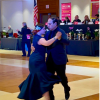

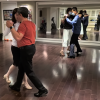



You walk into a warm, buzzing room. Music wraps the space, couples drift in a slow counterclockwise lane, and invitations happen with a glance. That welcoming order does not appear by accident. It flows from milonga rules, a set of shared habits that keeps everyone safe, musical, and relaxed. At Tango Canada Academy, we coach dancers to embody milonga rules early, so a first social night feels clear, kind, and memorable. This guide explains why the customs exist, how to apply them in real time, and how to recover gracefully if something goes sideways.
Milonga rules are not strict laws. They are community agreements that let hundreds of unique styles coexist. Learn them, and your partners will notice. Practice them, and hosts, DJs, and organizers will be excited to see you return.
What is a milonga, and why do milonga rules matter
A quick definition
A milonga is a social dance event for Argentine tango. People come to listen, invite, dance tandas, and rest during cortinas. In most cities, the event runs several hours, with a smooth flow that depends on milonga rules understood by the whole room.
The hidden benefits
- Shared predictability reduces anxiety
- Safer navigation prevents collisions
- Musical flow improves because dancers move with the same lane logic
When dancers follow milonga rules, the night feels lighter and every tanda becomes easier to enjoy.
The ronda and lanes: where movement begins
Counterclockwise traffic
Couples travel in a circle called the ronda, counterclockwise around the room. The ronda is usually organized into two or three lanes. One aim of milonga rules is to keep these lanes intact so beginners and experts can share space.
Pick one lane and keep it
Changing lanes is permitted only when it is clearly safe. Drifting across lanes creates turbulence behind you and breaks the rhythm in front of you. Milonga rules encourage small steps that match lane density and music.
Entry points
Enter the floor only from the outside edge. Look left along the traffic, establish eye contact with the oncoming leader, and slide into the flow. This is a simple but powerful piece of milonga rules that prevents surprises.
Invitations that feel easy: cabeceo and mirada
The quiet invitation
Dancers typically invite with eye contact and a small nod, called the cabeceo. The receiver accepts with a smile or nod, or declines by looking away. Milonga rules prefer this method because it protects dignity and avoids awkward walks across the room.
Where to stand or sit
Choose a spot with sightlines to others. The better you can see, the easier it is to use mirada and cabeceo. Hosts often arrange seating to help invitations work smoothly, which is why milonga rules also include a gentle request to avoid blocking lines of sight.
Tandas and cortinas: understanding the musical structure
What is a tanda
A tanda is a set of songs by the same orchestra or mood, usually three or four tracks. Milonga rules suggest that you start and finish a tanda with the same partner when possible. If something is uncomfortable, communicate kindly and end early, but do not disappear without a word.
Cortinas are rest time
A short non tango clip separates tandas. Use cortinas to hydrate, invite, or rest. Walking off at cortina is normal. Milonga rules ask for clear transitions so the next tanda begins fresh and calm.
Floor craft, the heart of milonga rules
Respect the space in front
Never overtake. If the couple ahead pauses, you pause or size down. This single habit is the foundation of milonga rules because it prevents chain reactions and shoulders from tensing.
Keep it compact
Social floors can get busy. Small steps, full weight transfers, and compact rotations are your superpower. The more crowded the lane, the more valuable your ability to keep everything small, musical, and clear. That is the spirit behind many milonga rules.
The safety bubble
Hold a small invisible bubble around your couple. Do not extend legs or decorations outside that bubble unless you are certain there is space. Precision is kindness.
Music awareness: dance what you hear, not what you planned
Pulse, phrase, and pause
- Pulse is the heartbeat. Walk it.
- Phrases are sentences. Change or pause at commas.
- Pauses are alive. Breathe and wait together.
Milonga rules do not dictate style. They encourage musical honesty. Match your step size and tone to the orchestra and the lane, and the whole room will feel calmer.
Know your orchestras
Di Sarli often invites longer lines, D’Arienzo welcomes crisp rhythmic play, Pugliese offers tension and release, and Troilo supports lyric warmth. When your choices fit the song, you are already living milonga rules at a high level.
Roles and responsibilities: clarity without blame
Leaders, protect the lane
Lead from the torso, not the arms. Keep eyes forward, plan exits that stay in your lane, and reduce size when the lane slows. Milonga rules ask leaders to treat movement like a conversation with the room, not a solo.
Followers, guard your axis
Finish each transfer, keep adornos within the safety bubble unless you feel open space, and signal discomfort early with a gentle tone shift. Milonga rules are not about restricting creativity. They are about co-creating comfort.
Personal space and embrace comfort
A breathing embrace
Whether open or close, keep the embrace alive. Breathe, adjust, and avoid clamping. Milonga rules value embraces that are readable, kind, and adjustable to different partners.
Hygiene and care
Fresh clothing, clean shoes, and a small towel in your bag show respect. A simple water break during cortina can make the next tanda easier on both of you. These details quietly support milonga rules by preserving comfort.
Navigation skills that prevent bumps
Small rotations win
Compact ochos and molinetes keep you centered and easy to place. If rotation is large, save it for open space. Milonga rules reward couples who adapt shapes to density.
Emergency exits
If a figure fails, collect, breathe, and walk forward again. Resetting quickly is a high level skill. The goal of milonga rules is never perfection. It is shared ease.
Quick habits that make you a favorite partner
- Enter the ronda by meeting eyes with the oncoming couple
- Start each tanda with a calm walk that sets shared timing
- Keep steps smaller than you think you need
- Add one planned pause per song to breathe together
- Collect fully between segments of turns
- Thank your partner at the end of the tanda
- Match step size to the lane, not to your ambition
- If you bump someone, apologize with a gentle touch and eye contact
- Save large decorations for open space
- Sit where cabeceo sightlines are clear
- Offer the embrace you would like to receive
- Ask the DJ if you are curious about the orchestras of the night
Quick habits like these live at the center of milonga rules and create a reputation for calm, attentive dancing.
Common mistakes and how to fix them
Drifting across lanes
Pick a lane and stay in it. If you must change, do it during a clear pause and only after checking behind you. Milonga rules depend on predictable travel.
Overleading with hands
If arms push or pull, partners tense and balance fades. Lead from the center, keep elbows quiet, and let the back carry the hands. Gentle clarity fits every part of milonga rules.
Looking down
Eyes down break awareness and cause traffic surprises. Keep your focus at chest or horizon height. Your partner will feel an immediate difference.
Ignoring cortinas
Cortinas reset the room. Use them. Walking off when the music stops is part of milonga rules and keeps the cycle of invitations flowing.
Newcomer survival plan for the first two socials
Night one, two tandas only
Begin with two calm tandas and leave while you still feel fresh. Anchor three ideas: walk the pulse, small steps, and compact turns. This gives your body time to encode milonga rules.
Night two, add a practica day before
Do a short practice the day before your second social. Review walking, breath, and one tiny turn. Add two more tandas at the next milonga. You will feel a lift in confidence because milonga rules will start to feel automatic.
Inclusivity and kindness
Match your embrace to your partner
Ask with your body, not your voice, and be responsive to what your partner prefers. Inclusivity is not separate from milonga rules. It is their deeper meaning.
Support the room
If you notice a newcomer sitting for long stretches, consider a warm invitation. Hosts appreciate dancers who keep the room friendly.
Canadian resources to grow your social dance journey
Canada has public programs that support community arts, music learning, and cultural participation that indirectly strengthen tango scenes and education about milonga rules.
- Canada Council for the Arts, Dance: Programs that support dance participation and training across Canada:
- Canadian Heritage, Arts and Cultural Participation: National initiatives that foster cultural learning and community arts
Exploring these pages can lead you to workshops, festivals, and projects that nourish your musical ear and social confidence, both essential for living milonga rules with grace.
Why Choose Tango Canada Academy
Tango Canada Academy teaches skills that work on real floors, with real music, and real people. From your very first class, we link posture, breath, embrace comfort, and navigation to clear, repeatable choices. That is how milonga rules become second nature instead of a list to memorize.
What you will experience
- A progressive curriculum that ties technique to social outcomes
- Instructors with international teaching and performance experience who translate nuance into simple cues
- Weekly practicas and etiquette coaching that make milonga rules easy to apply
- Optional video feedback and short home drills to reinforce learning
- A supportive culture that values clarity, kindness, and safe navigation for everyone
If your goal is a calm, musical night where partners feel at ease, we will show you how to build it, one habit at a time.
A four week checklist to internalize milonga rules
Week 1: Orientation
- Learn floor layout and lane logic
- Practice entering and exiting the ronda
- Start every tanda with 30 seconds of walking
Week 2: Compact movement
- Halve your step size and improve balance
- Drill small ochos and quarter turns
- Add one planned pause per song
Week 3: Musical choices
- Match step size to orchestra energy
- Practice a calm stillness on phrase endings
- Use cortinas to rest and invite with confidence
Week 4: Social finesse
- Offer adaptive embrace in open and close
- Keep eyes forward, avoid overtaking
- Thank partners, greet hosts, support the room
By the end of four weeks, milonga rules will feel natural. You will notice fewer surprises and more joyful tandas.
Etiquette is artistry in disguise
Milonga rules are not about restriction. They are a craft for making comfort visible. When you follow the ronda, size steps to the lane, invite with respect, and listen to the orchestra, you create a night that feels both safe and alive. At Tango Canada Academy, we believe this is where social tango shines. If you want tandas that feel unhurried, expressive, and kind, put milonga rules at the center of your practice.
Join us for a trial class, drop into a practica, or ask for a short etiquette tour at your next social. With a few thoughtful habits, you will turn good nights into great ones.
Frequently Asked Questions
1) What are the most important milonga rules for a first visit
Start in the outer lane, do not overtake, invite with cabeceo, and size your steps to traffic. These four habits cover most milonga rules you will need on night one.
2) How do I enter the floor without breaking milonga rules
Join from the edge during a pause, make eye contact with the oncoming couple, and slide into the flow. This small courtesy sits at the core of milonga rules.
3) Is it rude to leave after one song or should milonga rules keep me for the whole tanda
The tradition is to finish the tanda, yet comfort matters. If something is unsafe, kindly end early at a musical break. Communicate and you remain within milonga rules.
4) Do milonga rules change for close embrace compared to open embrace
No, the traffic basics stay the same. Keep steps compact, protect your lane, and avoid kicking outside your safety bubble. That is the spirit in all milonga rules.
5) How can I practice for milonga rules at home
Drill compact walking, quarter turns, and planned pauses while listening to classic orchestras. The better your balance, the easier it is to honor milonga rules.
6) What should I do if a collision happens even when I follow milonga rules
Make eye contact, offer a gentle apology, and reset calmly. Accidents happen. Quick courtesy keeps the night friendly and supports milonga rules.
7) Are there regional differences in milonga rules or are they universal
The core ideas are shared worldwide, though details can vary. Watch the room for a tanda, then adapt. Observing before you jump in is itself part of good milonga rules.


Comments are closed