

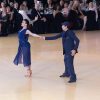
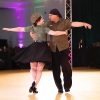

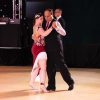


Argentine Tango is a captivating dance that speaks to the heart and soul. Known for its elegance, improvisation, and emotional connection, this dance form begins with just a few fundamental movements—simple yet deeply expressive. If you’re new to the world of tango, understanding the basic Argentine Tango steps is your gateway into an unforgettable experience.
At Tango Canada Academy, we believe that anyone can learn Argentine Tango with the right guidance and passion. Whether you’re drawn to the music, the movement, or the community, mastering the foundational steps will set you on the right path. In this guide, we’ll walk you through the essential Argentine Tango steps that every dancer should know.
Understanding the Structure of Argentine Tango
A Dance of Improvisation
Argentine Tango is unique because it is not based on memorized routines. Instead, dancers improvise by combining a vocabulary of core movements in response to the music.
The Role of Connection
- Lead and follow communicate non-verbally
- Timing is based on shared rhythm and awareness
- Steps can be paused or extended based on emotion and musicality
Embrace Variations
The abrazo, or tango embrace, influences how Argentine Tango steps are executed:
Open Embrace: More space, better visibility for complex footwor
- Provides more space between partners
- Enhances visibility—ideal for practicing and executing complex footwork
- Commonly used in classes or performances
- Great for beginners learning body alignment and balance
Close Embrace: Intimate, better for subtle, grounded movements
- Offers greater intimacy and body contact
- Encourages subtle, grounded movements
- Essential for traditional milonga dancing
- Requires strong posture and mutual trust
Adaptive Embrace
- A fluid blend of open and close embrace
- Dancers adjust based on the music, space, and emotion
- Used by experienced dancers to vary connection throughout the dance
- Enhances expression and musical interpretation
The embrace is not a rigid structure—it’s a dynamic, evolving connection that breathes life into Argentine Tango steps. Choosing the right embrace sets the physical and emotional tone of each dance.
The Core Elements of Argentine Tango Steps
Walking: The Foundation
Walking is not just a transition—it’s one of the most expressive Argentine Tango steps. It’s deliberate, grounded, and musical.
Technique Tips:
- Step with the whole foot—not just the heel or toe
- Maintain alignment and posture
- Keep a slight forward intention from the chest
The Eight-Count Basic (El Básico)
While improvisation is key in tango, there is a foundational sequence known as the eight-count basic. This pattern introduces dancers to balance, direction, and rhythm.
The 8 Steps:
- Backward step (leader)
- Side step
- Forward step (leader crosses follower)
- Forward step (leader outside partner)
- Side step
- Collection
- Forward step
- Close
The Cross (La Cruzada)
This is one of the signature Argentine Tango steps where the follower crosses one foot over the other, typically after step 4 of the básico.
When and Why:
- Helps change direction smoothly
- Often used in musical phrasing and dramatic pauses
Navigating the Floor: Steps in Action
Line of Dance
In social tango settings (milongas), dancers follow a counterclockwise flow known as the line of dance. This practice isn’t just tradition—it’s functional. It creates a predictable structure, allowing couples to dance fluidly around the room without chaos.
-
Beginners often benefit by observing the flow before stepping onto the floor
-
Dancers should avoid stopping abruptly or stepping against traffic
-
The outer lane is usually reserved for more confident dancers; beginners may prefer inner lanes
Understanding and respecting the line of dance helps maintain the safety and elegance of the shared space.
Floor Craft
Argentine Tango is danced with a heightened sense of spatial awareness, often referred to as floor craft. It ensures that the experience remains pleasant for everyone on the floor.
-
Avoid overtaking – Passing other couples breaks flow and is considered poor etiquette
-
Respect other couples’ space – Avoid high kicks or sweeping movements in crowded rooms
-
Use compact steps when crowded – Adapt your Argentine Tango steps to suit the density of the floor
-
Dance with your eyes – Leaders should constantly scan the space ahead and adjust accordingly
-
Pause when needed – A well-timed pause is not only musical, but courteous when traffic is tight
Mastering floor craft is just as important as mastering Argentine Tango steps—because tango is not a solo act, it’s a community.
Essential Argentine Tango Steps Every Beginner Should Know
Ochos (Figure Eights)
Ochos are pivoting steps performed in front (forward ochos) or behind (back ochos) the dancer’s body. They’re among the most recognizable Argentine Tango steps.
Forward Ochos:
- Follower rotates hips around the axis
- Alternating forward steps in a curve
Back Ochos:
- Similar rotation in reverse
- Often used for styling and musical interpretation
Molinete (The Grapevine)
A circular step sequence often danced around the leader.
Breakdown:
- Combines forward, side, and back steps
- Typically led with a turn and rotation
- Core for leading circular movements
Paradas (Stops)
These pauses allow dancers to reflect the music and add dramatic expression.
Use in Phrasing:
- Inserted between ochos or walking
- Allows for pauses, embellishments, and improvisation
Sandwich Step (El Sánguche)
A playful movement where the leader “sandwiches” the follower’s foot.
Creative Use:
- Involves intentional contact
- Can transition into other steps like a gancho or vuelta
Developing Rhythm and Balance
Musical Interpretation
Dancing the rhythm is as important as mastering the steps. Argentine Tango steps can be slowed, quickened, or suspended depending on the music.
Axis and Core Control
Maintaining balance is crucial:
- Keep weight centered over supporting leg
- Use core muscles for pivots
- Practice collection (bringing feet together) between steps
Top 7 Tips for Mastering Argentine Tango Steps
- Walk daily — Practicing your tango walk improves posture and control.
- Dance slowly — Speed can cover mistakes; slowness reveals mastery.
- Film your practice — Review your posture, axis, and musicality.
- Rotate partners — Adaptability sharpens your lead or follow skills.
- Listen more — Let music guide your Argentine Tango steps.
- Take private lessons — Personalized feedback accelerates improvement.
- Attend milongas — Social practice deepens real-time responsiveness.
Every one of these tips is designed to enhance your relationship with the core Argentine Tango steps.
Applying These Tips in Your Weekly Practice
Incorporating these tips into your weekly practice routine will help solidify your understanding of Argentine Tango steps and refine your technique over time. Instead of rushing through new moves, revisit the basics regularly—your walk, your posture, and your partner connection. Even advanced dancers benefit from returning to these core principles.
If you’re part of a tango school like Tango Canada Academy, make the most of structured opportunities like guided practicas and feedback-based classes. They reinforce these tips and help translate theory into meaningful movement.
Remember, learning tango isn’t about perfection—it’s about presence, awareness, and growth.
Why Choose Tango Canada Academy
At Tango Canada Academy, our passion is rooted in preserving and sharing the beauty of Argentine Tango. We offer a comprehensive program designed to help dancers master both the foundational and advanced Argentine Tango steps.
What You Can Expect:
- Beginner to advanced classes covering core techniques and musicality
- Milongas and practica sessions for real-world application of your skills
- Expert instruction from seasoned tango professionals
- Workshops on posture, musicality, and advanced movements
- Community support that keeps learning fun and engaging
Beyond the dance itself, we offer an environment where students feel safe to explore, make mistakes, and grow. Our teaching goes far beyond just showing you Argentine Tango steps—it’s about helping you embody the spirit and history of the dance.
Whether your goal is to build confidence, connect with others, perform, or simply experience the joy of tango, we provide the tools and mentorship to support your journey.
Our focus isn’t just on teaching steps—it’s on cultivating your confidence, creativity, and understanding of the deeper meaning behind every movement.
Government Resources for Dance and Arts Education
Explore opportunities to grow your dance journey through official Canadian programs:
- Canada Council for the Arts – Dance Funding
- Canadian Heritage – Cultural Learning Programs
These resources provide funding, education, and support for cultural participation and dance development across Canada.
Build Your Dance From the Ground Up
The path to mastering Argentine Tango starts with understanding the steps. These aren’t just movements—they’re a language. Each step is a sentence, and every tanda is a conversation. Whether you’re just getting started or refining your technique, the Argentine Tango steps are a foundation that will support your growth for years to come.
Tango Canada Academy is here to help you build that foundation. With expert-led classes, a welcoming community, and a deep respect for tango tradition, we make learning the art of Argentine Tango steps both fun and fulfilling.
Are you ready to take your first step? Let’s tango.
Frequently Asked Questions About Argentine Tango Steps
- What are the most essential Argentine Tango steps for beginners?
The key steps include walking, the eight-count basic, the cross (cruzada), ochos, and molinete. These create the base vocabulary used in Argentine Tango steps.
- How long does it take to learn Argentine Tango steps?
While basic Argentine Tango steps can be learned within a few weeks, mastery takes ongoing practice. Many dancers feel confident after 3–6 months of regular classes.
- Are Argentine Tango steps always improvised?
Yes, improvisation is at the core of Argentine Tango. Dancers learn structured Argentine Tango steps but combine them freely to match the music and partner connection.
- Do I need a partner to practice Argentine Tango steps?
No partner is needed. At Tango Canada Academy, classes rotate partners so everyone has a chance to learn and develop their skills.
- What should I focus on when learning Argentine Tango steps?
Focus on posture, balance, connection, and listening to the music. These are the core principles that bring Argentine Tango steps to life.
- Are Argentine Tango steps suitable for all ages?
Absolutely. Argentine Tango is a low-impact, emotionally expressive dance that welcomes participants of all ages and fitness levels.
- Can I use Argentine Tango steps in other styles of tango?
Some basic principles like walking and musical phrasing can be applied elsewhere, but Argentine Tango steps are unique in their improvisation and embrace, making them best suited to their own style.


Comments are closed