

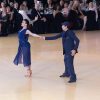

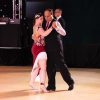


Argentine Tango is a social dance of conversation—subtle, improvised, and deeply musical. If you’re new and wondering how to begin, this beginner tango guide will walk you through the first essentials: posture, embrace, walking, musicality, etiquette, and a practice plan you can actually follow. At Tango Canada Academy, we’ve helped countless students take their very first steps and feel comfortable at their first social dance (milonga). Think of this beginner tango guide as your friendly roadmap from “Where do I put my feet?” to “I’m enjoying full tandas with ease.” Whether you learn best by watching, feeling, or reading, this beginner tango guide is designed to make your progress steady, enjoyable, and sustainable.
What Makes Argentine Tango Unique (and Beginner-Friendly)
Improvisation over choreography
Unlike fixed routines, Argentine Tango is built from a shared vocabulary led and followed in real time. That’s good news for beginners: a beginner tango guide helps you build a small toolkit of movements you can recombine endlessly, rather than memorizing long sequences that fall apart the moment the room gets crowded.
The embrace is a living structure
The abrazo (embrace) adapts—sometimes open for visibility and footwork, sometimes close for intimacy and subtlety. Your beginner tango guide teaches how to keep the embrace soft, responsive, and comfortable so both partners breathe and move as one.
Connection is the core technique
Tango is partner communication. Clear leading, sensitive following, and shared balance are the heart of every step. A beginner tango guide puts these elements first—because when connection is clear, steps feel easy.
Foundations First: Posture, Axis, Embrace, Walk
Posture & axis (your superpower)
-
Lengthen through the crown of the head; keep ribs softly stacked over the pelvis.
-
Weight slightly forward over the balls of the feet; knees relaxed.
-
Free the shoulders; let the arms be carried by the back.
A beginner tango guide will come back to posture often—because clean balance unlocks clean pivots, clean ochos, and a comfortable embrace.
The embrace (abrazo)
-
Open embrace: more space and visibility—great for learning.
-
Close embrace: more intimacy and subtlety—common in traditional milongas.
Your beginner tango guide shows how to adjust the distance with breath and music so the embrace stays alive rather than rigid.
The walk (caminata)
-
Step from the standing leg; project first, then transfer weight.
-
Collect your feet between steps; smaller is smoother, especially in crowds.
Because the walk is tango’s signature, this beginner tango guide treats walking as a technique, not a filler. A beautiful walk reads as musicality and confidence.
The Core Vocabulary You’ll Use Everywhere
The 8-count basic (básico)
The eight-count is a learning frame, not a rule. It introduces direction changes, the cross (cruzada), and coordinated weight transfers. A good beginner tango guide uses it to teach timing and balance, then helps you improvise beyond it.
The cross (cruzada)
-
Typically appears after an outside step by the leader.
-
Follower crosses one foot in front to reorganize axis and direction.
Your beginner tango guide will teach when the cross is suggested versus required, keeping the dance responsive, not robotic.
Ochos (forward & back)
-
Forward ochos: pivot, step forward along a curve, collect.
-
Back ochos: pivot, step back along a curve, collect.
Clean pivots and torso rotation make ochos feel like silk. Expect your beginner tango guide to drill pivots gently and often.
Molinete (grapevine) around the leader
-
A circular sequence (forward/side/back/side).
-
Develops turn mechanics and shared rotation.
Within a beginner tango guide, molinete training builds your control in turns without grabbing for balance.
Simple pauses, rebounds, and paradas
- Pauses let the music breathe; rebounds change direction without big steps.
- A beginner tango guide teaches you to savor quiet moments instead of filling every beat.
Musicality for Beginners: How to Hear the Dance
Phrase, pulse, and pause
Tango music invites variety—steady walking, playful syncopations, and elastic suspensions. This beginner tango guide focuses on:
-
Pulse: the heartbeat you can always find.
-
Phrase: the musical sentence; step changes often feel best at phrase changes.
-
Pause: music gives permission to rest—use it.
Your first listening playlist (sample plan)
-
Week 1–2: smooth walking to Carlos Di Sarli.
-
Week 3–4: simple rebounds to Juan D’Arienzo.
-
Week 5–6: tasteful pauses with Osvaldo Pugliese.
Rotate these in your beginner tango guide practice to build range without overwhelm.
Leading & Following: Clear, Kind, and Comfortable
Leading without force
-
Propose direction with torso; hands are quiet messengers, not drivers.
-
Move your center, then your step—your partner will feel timing through contact.
A beginner tango guide keeps leaders focused on clarity over complexity.
Following without guessing
-
Wait for intention; then move decisively.
-
Maintain your axis; don’t collapse into the embrace.
The right beginner tango guide trains followers to be active, musical partners—never passive passengers.
Floor Craft & Etiquette (Your Social Superpower)
Line of dance
Move counterclockwise in lanes. Do not overtake when it’s crowded. Small, collected steps help you stay elegant and safe—your tango beginner guide will help you practice lane awareness early.
Cabeceo & cortina
Invite and accept dances with discreet eye contact (cabeceo). Use the cortina (short non-tango music between tandas) to change partners or take breaks. Every tango beginner guide should demystify these customs so you feel welcome immediately.
A 4-Week Beginner Tango Guide: Your First Month Plan
Keep it light and consistent—30–40 minutes of solo work, one class, one practica, one optional milonga.
Week 1: Posture, embrace, walk
-
Daily: 5 minutes of slow walking with full collection.
-
Class: posture + embrace + first outside step.
-
Practica: 20 minutes of walk practice with two partners.
This beginner tango guide starts the habit of quality over quantity.
Week 2: Cross & simple pauses
-
Daily: add balance holds (5 seconds per leg).
-
Class: cruzada timing + compact side steps.
-
Practica: walk + cross + musical pauses.
The beginner tango guide emphasizes clean weight transfers over fancy shapes.
Week 3: Back ochos
-
Daily: pivot drill (quarter turns both directions).
-
Class: back ochos from the walk.
-
Practica: walk + cross + back ochos in small space.
Your beginner tango guide keeps steps small to keep balance big.
Week 4: Forward ochos & first turns
-
Daily: add gentle core activation (planks/side planks 30–45 seconds).
-
Class: forward ochos + simple turn entry.
-
Optional milonga: 2–3 tandas; prioritize navigation and comfort.
By month’s end, the tango beginner guide has you ready for real floors with calm basics.
9 Rookie Mistakes (And Quick Fixes)
-
Big steps in crowds → Halve step size; collect feet.
-
Overleading with hands → Initiate from torso; lighten the arms.
-
Rushing pivots → Pivot from a standing leg; breathe through the turn.
-
Rigid embrace → Let the embrace expand/contract with breath and music.
-
Looking down → Trust floor feel; keep gaze soft and level.
-
Skipping the walk → Five mindful minutes of walk beats 30 minutes of rushed figures.
-
Avoiding practicas → You need a sandbox to test and ask.
-
Ignoring music → Start with Di Sarli; walk on the pulse.
-
All figure, no feel → Choose one quality per tanda (posture, pause, or partner comfort).
This beginner tango guide isn’t about perfection—it’s about comfortable, musical dancing that partners want to repeat.
Shoes, Clothing, and Comfort
Footwear
-
Smooth leather or suede soles that pivot easily.
-
Heels for followers are optional at first; stability comes first.
A practical beginner tango guide prioritizes control over appearance early on.
Clothing
-
Non-restrictive, breathable, and secure.
-
Avoid super slick fabrics that slide inside the embrace.
Your beginner tango guide aims for comfort that lets you focus on connection.
Practicas, Milongas, and Private Lessons: How They Work Together
Group classes = vocabulary + feedback
Foundational technique, partner variety, and teacher corrections—core ingredients of any tango beginner guide.
Practicas = integration
Time to pause, repeat, and troubleshoot. A smart beginner tango guide always includes weekly practica time.
Milongas = real-world fluency
Etiquette, lanes, music flow, and partner chemistry. Your beginner tango guide encourages early, low-stakes milonga visits to normalize the environment.
Private lessons = targeted breakthroughs
When one issue keeps popping up (e.g., axis in back ochos), a single private can save months. The best beginner tango guide uses privates sparingly but strategically.
Drills That Give the Fastest Returns
3×2-minute solo routine (anytime, anywhere)
-
Slow walk line: one step per two counts; full collection.
-
Pivot pulses: quarter turns; both directions; spine tall.
-
Embrace breath: open a hair on inhale, soften closer on exhale.
This micro-routine is the backbone of a practical beginner tango guide.
Partner check (once per week)
-
2 minutes balance walking together; no figures.
-
2 minutes back ochos; tiny step size.
-
2 minutes pauses to the music.
Short, focused, and repeatable—the hallmark of a good beginner tango guide.
Why Choose Tango Canada Academy
Tango Canada Academy specializes in helping people begin, progress, and genuinely enjoy their dancing. If you’ve ever wished for a beginner tango guide that’s clear, welcoming, and effective, that’s exactly how we teach in the studio.
What You’ll Experience
- Structured curriculum that builds technique and confidence from day one
- Instructors with international teaching and performance experience
- A friendly community that values collaboration over competition
- Frequent classes, practicas, and milongas to turn concepts into comfort
- Private coaching for faster, targeted breakthroughs
We don’t just hand you steps—we teach you how to feel musical, safe, and connected on real floors. If a beginner tango guide could come to life, it would look and feel like a month at Tango Canada Academy.
Canadian Resources to Support Your Dance Journey
-
Canada Council for the Arts — Dance: grants and programs that support dance participation and creation.
-
Canadian Heritage — Arts and Cultural Participation: national initiatives fostering cultural learning and community arts.
Use these resources to find festivals, community initiatives, and potential support that can complement this beginner tango guide.
Bringing It All Together: Your First Tanda Awaits
In the end, a great beginner tango guide does three things: it keeps foundations simple, builds confidence step by step, and gets you onto real dance floors sooner rather than later. Start with posture, embrace, and walk. Add the cross, ochos, and a gentle turn. Listen for pulse and phrase; breathe in the pauses. Visit a practica, then a milonga. Repeat. Smile.
Tango Canada Academy would love to welcome you into a community where your growth is celebrated and your questions are always welcome. Bring your curiosity, and this beginner tango guide will become your lived experience—one tanda at a time.
Ready to dance? Join a trial class at Tango Canada Academy and begin your journey today.
FAQs: Beginner Tango Guide Essentials
1) How many weeks does a beginner tango guide usually cover before my first milonga?
Most students feel comfortable attending a milonga after 8–12 weeks, especially if their tango beginner guide includes weekly class, one practica, and short home drills.
2) What’s the single most important skill in a beginner tango guide?
The walk. A beginner tango guide that prioritizes posture, axis, and a musical walk will make every other step easier.
3) Should a beginner tango guide teach close embrace right away?
Yes, gently. A balanced beginner tango guide introduces close embrace early (in small doses) so comfort grows alongside technique.
4) How often should I practice if I’m following a beginner tango guide?
Two to three short sessions weekly—one class, one practica, and 30 minutes of solo drills—are ideal for any beginner tango guide.
5) Do I need special shoes to follow a beginner tango guide?
Not immediately. Your beginner tango guide can start with smooth-soled shoes; dance shoes help once you’re pivoting more.
6) Can a beginner tango guide help if I don’t have a partner?
Absolutely. A solid beginner tango guide includes solo posture, balance, and pivot drills—plus rotating partners in class.
7) How do I know my beginner tango guide is working?
You feel calmer in the embrace, your steps get smaller and cleaner, and partners ask for a second tanda—sure signs your beginner tango guide is paying off.


Comments are closed