


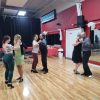
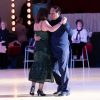
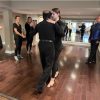


Argentine Tango is a captivating and passionate dance form that has grown in popularity worldwide. Known for its improvisational nature and deep emotional connection between partners, Argentine Tango offers a unique experience for both beginners and experienced dancers. Many people who have never danced before are drawn to this elegant and intimate dance, but starting can feel intimidating without prior dance experience. The good news is that anyone can start learning Argentine Tango with the right guidance and mindset. By enrolling in Argentine tango classes, even those with no prior dance experience can gradually build confidence, understand tango basics, and enjoy the beauty of this art form.
For beginners, understanding the foundational elements of Argentine Tango is essential. Unlike other structured dances, Argentine Tango focuses on connection, musicality, and improvisation rather than rigid choreography. Starting with tango basics allows new dancers to explore the rhythm, steps, and posture needed to dance comfortably. Even if you have no experience, tango for beginners classes are designed to guide you step by step, making the process enjoyable and accessible. To get started, professional argentinas tango instruction provides structured lessons that help you build skills from the ground up.
Understanding the Appeal of Argentine Tango
Before diving into classes, it is important to understand what makes Argentine Tango unique. Unlike ballroom dances that follow strict rules and choreography, Argentine Tango emphasizes improvisation and the emotional connection between partners. This means that each dance is unique and allows dancers to express themselves freely.
Argentine Tango also has a rich history originating in Argentina and Uruguay, where it evolved as a social dance in urban communities. Its movements are characterized by close embraces, intricate footwork, and smooth transitions. This makes it both a challenging and rewarding dance to learn, even for those with no prior experience. Tango for beginners classes focus on these fundamentals, ensuring that new dancers can gradually become comfortable with the style and rhythm.
Learning Argentine Tango also provides numerous benefits beyond the dance floor. It improves posture, balance, and coordination, while fostering social interaction and confidence. Many people who start with no dance experience find that Argentine Tango quickly becomes an engaging and enjoyable hobby. Attending tango dance lessons designed for beginners helps new dancers build these skills systematically.
Choosing the Right Argentine Tango Classes
Selecting the right Argentine tango classes is a crucial step for beginners. Classes should be tailored to individuals with little or no dance experience and emphasize tango basics, musicality, and partner connection.
When looking for classes, consider the following factors:
- Class Structure: Beginners benefit from structured classes that start with simple steps and gradually progress to more complex patterns.
- Instructor Experience: An experienced instructor can provide personalized guidance, ensuring that new dancers feel comfortable and supported.
- Class Size: Smaller classes allow for more one-on-one attention, helping beginners develop confidence faster.
- Focus on Technique: Classes that emphasize posture, balance, and connection help new dancers establish a strong foundation.
For those who prefer to learn at their own pace, online Argentine tango classes can also provide access to instructional videos and resources. These classes allow beginners to review concepts repeatedly and practice outside of scheduled sessions. Professional argentinas tango programs often offer a combination of in-person and online instruction to accommodate different learning preferences.
Starting With Tango Basics
Tango basics form the foundation for all future learning. Beginners should focus on understanding the essential elements of Argentine Tango before moving on to advanced techniques. Key tango basics include:
- Posture: Maintaining a strong yet relaxed posture is essential. Stand tall with your weight evenly distributed and shoulders relaxed.
- Connection: Argentine Tango relies heavily on the connection between partners. This is achieved through a comfortable embrace, clear communication, and responsiveness to each other’s movements.
- Walking: Walking is a fundamental aspect of tango. Beginners should practice walking smoothly, with small steps and controlled movements, while maintaining balance and coordination.
- Basic Steps: Start with simple forward and backward steps, side steps, and basic turns. These movements form the foundation for more complex sequences.
Practicing tango basics regularly helps build muscle memory and confidence. Even beginners with no prior dance experience can develop a strong sense of rhythm and connection by focusing on these fundamental elements. Joining structured tango dance lessons ensures that these basics are taught correctly and progressively.
Building Confidence for Beginners
Starting any new dance can be intimidating, especially for those with no prior experience. Argentine Tango classes for beginners are designed to address common fears and build confidence gradually.
Tips for building confidence include:
- Practice Regularly: Frequent practice helps reinforce tango basics and improves coordination.
- Start Slowly: Focus on mastering basic steps before attempting complex sequences.
- Dance With Different Partners: Practicing with multiple partners helps improve adaptability and connection.
- Attend Social Events: Participating in beginner-friendly milongas or social dances allows dancers to apply their skills in a relaxed setting.
Confidence in Argentine Tango grows over time as beginners become more comfortable with tango basics and partner connection. Enrolling in couples tango lessons can also help build confidence, as partners can support each other while learning and practicing together.
Overcoming Common Challenges
New dancers often encounter challenges when starting Argentine Tango. Recognizing these obstacles and approaching them with patience is key to success.
- Timing and Rhythm: Argentine Tango music has a unique rhythm that may feel unfamiliar to beginners. Practicing with a metronome or simple music helps improve timing.
- Balance and Posture: Maintaining balance and proper posture can be difficult at first. Exercises such as standing on one foot or slow walking drills help build stability.
- Partner Connection: Understanding how to communicate with a partner through subtle movements takes time. Beginners should focus on gentle pressure and clear intentions in the embrace.
- Fear of Making Mistakes: Mistakes are a natural part of learning. Embracing errors as opportunities for improvement helps maintain motivation and enjoyment.
By acknowledging these challenges and seeking guidance from experienced instructors, beginners can navigate the learning process more effectively. Professional argentinas tango programs often provide structured exercises and feedback to address these common hurdles.
Practicing at Home
While classes provide essential instruction, practicing at home reinforces learning and accelerates progress. Beginners can focus on tango basics, walking, posture, and simple step sequences in the comfort of their own space.
Tips for effective home practice include:
- Use a Mirror: Practicing in front of a mirror helps monitor posture and movement.
- Break Down Steps: Practice one step at a time before linking them into sequences.
- Focus on Posture: Regularly check alignment, shoulder relaxation, and weight distribution.
- Play Music: Practicing with tango music improves rhythm, timing, and musicality.
Even a few minutes of daily practice can significantly improve confidence and technique for beginners. Combining home practice with structured tango dance lessons creates a balanced learning approach that maximizes skill development.
Joining Social Tango Events
Argentine Tango is as much a social experience as a dance. Beginners are encouraged to attend milongas or social events to practice their skills in a live setting. These events allow dancers to:
- Experience real-time partner connection
- Apply tango basics in a dynamic environment
- Learn from observing more experienced dancers
- Build community and friendships with fellow dancers
Participating in social tango events helps reinforce what is learned in classes and provides motivation to continue practicing. Beginners often find that attending these events accelerates their learning and deepens their appreciation for Argentine Tango.
The Importance of Partner Work
Argentine Tango is a partner dance, and learning to communicate with your partner is critical. Beginners should focus on:
- Maintaining a comfortable embrace
- Reading subtle cues from the partner
- Responding to changes in direction and tempo
- Practicing trust and clear communication
For couples, participating in couples tango lessons can be particularly beneficial. Learning together allows partners to develop a shared understanding of the dance, improving connection and enjoyment on the dance floor.
Long-Term Learning Approach
Learning Argentine Tango is a gradual process. Beginners should adopt a long-term approach that emphasizes continuous improvement, patience, and enjoyment.
Steps for sustained learning include:
- Set Realistic Goals: Focus on mastering tango basics before attempting advanced moves.
- Consistent Practice: Regular classes and home practice reinforce learning.
- Seek Feedback: Constructive feedback from instructors and partners helps refine technique.
- Explore Musicality: Understanding tango music enhances improvisation and expression.
- Stay Curious: Observing performances and experimenting with movement fosters growth.
With dedication and consistent practice, even dancers with no prior experience can develop proficiency and enjoy the beauty of Argentine Tango.
Conclusion
Starting Argentine Tango classes with no dance experience may seem intimidating at first, but with the right guidance, dedication, and structured learning, it can be a highly rewarding journey. By focusing on tango basics, practicing regularly, and building confidence through social events and partner work, beginners can gradually develop the skills needed to enjoy this expressive and intimate dance form. Argentine Tango is not only a dance but also a way to connect with music, partners, and a welcoming community. Enrolling in professional argentinas tango classes ensures that beginners receive the structured support and guidance necessary to succeed, making the path to becoming a confident dancer both enjoyable and achievable.
FAQ
Can I start Argentine Tango with no dance experience?
Yes, beginners can start learning Argentine Tango with structured classes focusing on tango basics and gradual progression.
How long does it take to become comfortable with tango basics?
Most beginners start feeling confident after a few weeks of regular practice and classes, although mastery takes longer.
Is Argentine Tango suitable for all ages?
Yes, Argentine Tango is suitable for people of all ages and fitness levels, with adaptations made for beginners.
Do I need a partner to start learning Argentine Tango?
While having a partner can help, many classes rotate partners, and beginners can practice basic steps individually.
How often should I attend classes as a beginner?
Attending at least one to two classes per week is ideal, supplemented with home practice to reinforce learning.


Comments are closed