

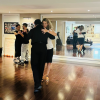
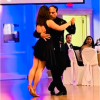
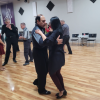



Tango Technique is the foundation of every successful tango journey. Tango Technique shapes how dancers move, connect, and communicate on the dance floor. Tango Technique allows beginners to develop balance, control, and confidence from the very first step. Tango Technique is not about complicated figures but about understanding the body and how movement flows naturally. Tango Technique helps beginners avoid common mistakes and build strong habits early. Tango Technique focuses on posture, walking, and awareness rather than memorized steps. Tango Technique gives beginners the tools needed to dance comfortably and respectfully with different partners. Tango Technique supports long term growth and enjoyment of tango at every level.
Understanding core tango technique allows beginners to move with clarity and ease. This guide explains the essential elements of tango technique that every beginner should learn and practice consistently.
Why Tango Technique Matters for Beginners
Many beginners focus on steps instead of technique. While steps may look impressive, tango technique determines how those steps feel. Proper tango technique creates stability and connection. Without it, even simple movements can feel awkward or uncomfortable.
Strong technique allows dancers to adapt to different partners and musical styles. It also reduces physical strain and supports smooth movement. Learning tango technique early builds a solid base that makes future learning easier and more enjoyable.
Tango Posture as the Foundation
Understanding Proper Alignment: Tango posture is one of the most important aspects of tango technique. Good posture allows the body to stay balanced and responsive. Dancers should stand tall with the spine lengthened and shoulders relaxed.
Weight should feel centered over the feet. The chest remains open while the neck stays relaxed. Avoid stiffness or tension, as tango posture should feel natural and grounded.
Common Posture Mistakes: Beginners often lean forward or backward too much. This disrupts balance and connection. Others hold tension in the shoulders or arms, which limits movement.
Practicing posture in front of a mirror can help identify these habits. Over time, proper tango posture becomes second nature.
The Tango Walk Explained
Why the Walk Is Essential
The tango walk is the heart of tango technique. Nearly every movement begins and ends with walking. Learning to walk well creates fluid transitions and strong connection.
The tango walk is deliberate and controlled. Each step transfers weight smoothly from one foot to the other. Beginners should focus on feeling grounded with each step.
How to Improve the Tango Walk
Practice walking slowly with awareness. Place the foot gently on the floor and allow the body to follow. Avoid rushing or taking overly large steps.
Listening to tango music while walking helps align movement with rhythm. Over time, the tango walk becomes expressive and confident.
Balance and Weight Transfer
Understanding Weight Changes : Tango technique depends on clear weight transfer. Each movement requires full commitment to one foot before moving to the next. Unclear weight shifts create confusion for both partners.
Practicing standing on one foot helps develop balance. Beginners can alternate weight slowly while maintaining posture and stability.
Staying Grounded : Grounded movement does not mean heavy movement. It means staying connected to the floor while remaining light and responsive. This balance supports smooth transitions and comfortable dancing.
Connection Between Partners
Listening Through the Body : Connection is central to tango technique. It allows partners to communicate without words. Beginners learn to listen through physical cues rather than anticipating steps.
Connection comes from shared balance and intention. It is not created by force or tension but by mutual awareness.
Role of the Embrace : The embrace supports connection while allowing freedom of movement. Arms remain relaxed and supportive. The embrace adjusts naturally based on movement and comfort.
Beginners should focus on maintaining consistent connection rather than holding tightly.
Musical Awareness in Tango Technique
Understanding Rhythm and Phrasing : Tango technique includes musical awareness. Movement should reflect the rhythm and mood of the music. Beginners start by recognizing basic beats and pauses.
Listening to tango music outside of practice helps develop familiarity. This awareness improves timing and expression.
Dancing With the Music : Rather than moving continuously, tango allows moments of stillness. These pauses add depth and emotion to the dance. Learning when not to move is as important as learning when to move.
Footwork and Precision
Controlled Foot Placement : Footwork in tango technique emphasizes precision and control. Feet should glide smoothly without unnecessary lifting or stamping.
Beginners benefit from slow practice that focuses on clean placement and smooth transitions.
Avoiding Common Errors : Dragging feet or losing balance often results from rushing. Practicing slowly improves coordination and clarity.
Body Awareness and Dissociation
Upper and Lower Body Control : Tango technique teaches awareness of different body parts. The upper body maintains connection while the lower body executes movement.
This separation allows for fluid turns and pivots without disrupting balance.
Building Coordination Gradually : Beginners should introduce dissociation gradually. Simple exercises that rotate the torso while keeping the hips stable help develop control.
Practicing Tango Technique Effectively
Solo Practice : Solo practice strengthens technique without distraction. Exercises focused on posture, balance, and walking build confidence.
Even short daily practice sessions can lead to noticeable improvement.
Partner Practice : Practicing with different partners improves adaptability. It also reinforces listening skills and connection.
Many beginners benefit from structured environments such as tango classes for beginners where technique is emphasized.
Technique in Social Dancing
Strong tango technique supports comfortable social dancing. Clear movement and balance make the dance enjoyable for both partners.
Social settings require awareness of space and navigation. Technique helps dancers move safely and respectfully on crowded floors.
Couples often explore technique together through couples tango lessons, which support shared learning and communication.
Cultural Perspective on Tango Technique
Argentine tango values authenticity and simplicity. Technique serves expression rather than performance.
Many dancers study historical and cultural aspects to better understand movement philosophy. Learning about argentinas tango traditions deepens appreciation for technique and connection.
Progressing Beyond Beginner Technique
Technique development continues at every level. Advanced dancers revisit basics regularly to refine movement.
Beginners should focus on patience and consistency rather than speed. Improvement comes through mindful practice and experience.
Frequently Asked Questions
1. Why is tango technique more important than steps?
Tango technique supports balance, connection, and adaptability. Without technique, steps feel unstable and disconnected.
2. How long does it take to develop good tango technique?
Basic technique develops within months of consistent practice. Refinement continues throughout a dancer’s journey.
3. Can beginners practice tango technique alone?
Yes, solo practice is essential for posture, balance, and walking exercises.
4. Does tango technique differ for leaders and followers?
While roles differ, core technique such as posture, balance, and musical awareness applies to both.
5. How can I improve my tango walk?
Practice slowly, focus on weight transfer, and stay grounded. Regular practice improves clarity and confidence.


Comments are closed