



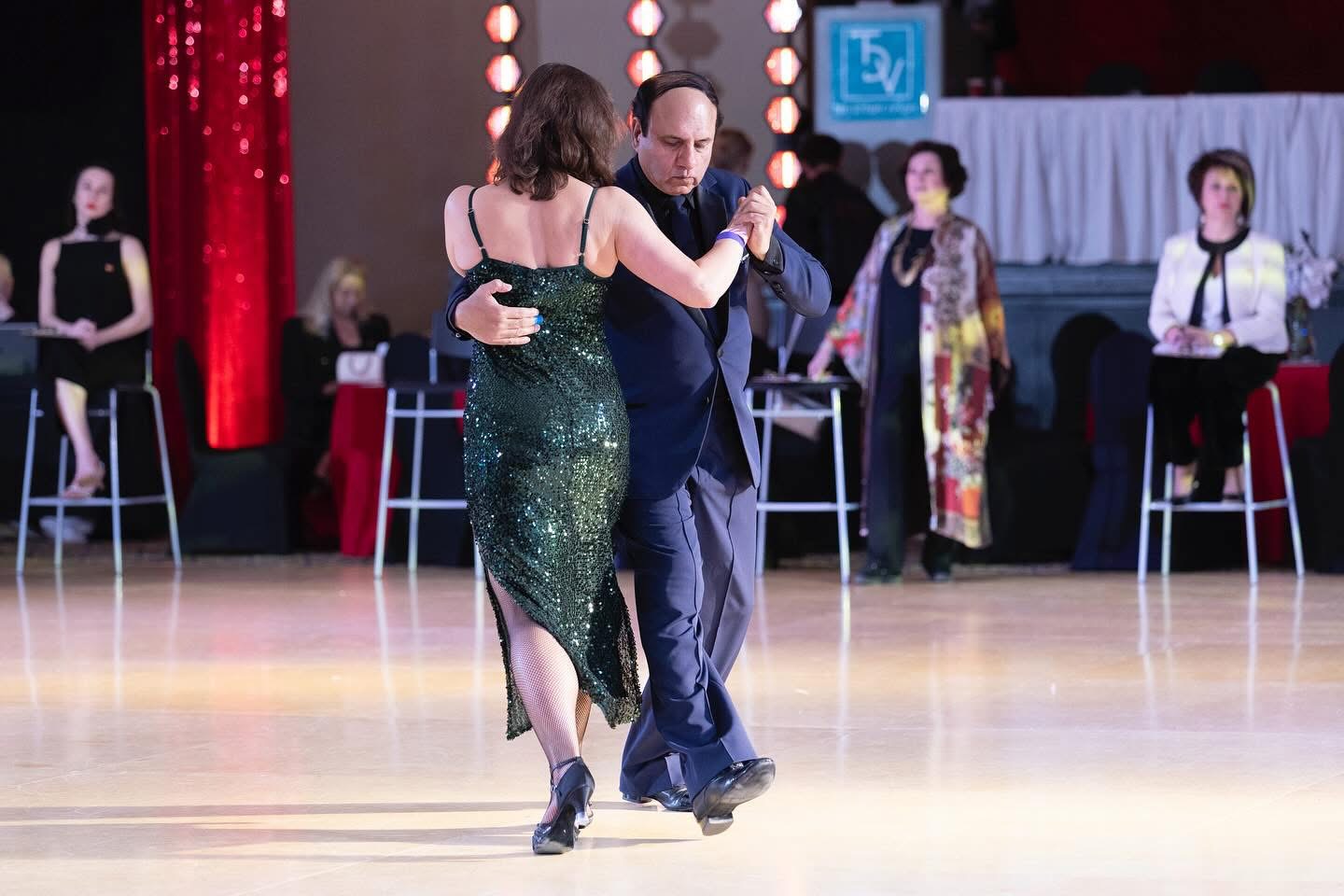
Tango Classes offer an engaging way to learn movement, rhythm, and partner coordination in a social environment. Many adults exploring Tango Classes in Toronto are looking for beginner friendly instruction that combines technique with a comfortable learning pace. Whether attending for fitness, personal interest, or social connection, Tango Classes can help students develop confidence while learning one of the most recognized partner dances in the world.
Toronto has a growing dance community that includes programs for all skill levels, from complete beginners to experienced dancers. This guide explains what to expect from tango classes toronto programs, how to choose the right class, and why tango continues to attract adults interested in dance and movement.
Understanding Tango Dance Classes
Tango is a partner dance that originated in Argentina and later gained worldwide popularity. Known for its close connection, controlled movements, and musical interpretation, tango focuses heavily on communication between dance partners.
Many beginners assume that tango is difficult to learn, but most introductory classes are designed to teach foundational steps gradually. Instructors often focus on posture, timing, balance, and partner coordination before progressing to more advanced techniques.
Tango dance classes near me searches have increased in recent years as more adults look for activities that combine physical movement with social interaction.
Why Adults Choose Tango Classes
Adults join programs at Tango Canada Academy for many reasons beyond simply learning to dance. Some are interested in improving coordination and fitness, while others enjoy the social aspect of partner dancing.
Unlike high intensity fitness programs, tango offers a slower and more controlled style of movement. This makes it accessible to a wide age range and suitable for different fitness levels.
Many participants also appreciate the structured learning environment, which encourages gradual progress and skill development over time.
What Beginners Can Expect in a Tango Class
Beginner classes are usually organized around fundamental movements and basic partner techniques. Most programs start with simple walking patterns, posture training, and rhythm exercises.
Instructors often rotate partners during class to help students become comfortable dancing with different people. This approach improves adaptability and communication skills.
The pace of instruction is generally manageable, allowing beginners to practice movements repeatedly before advancing to more complex combinations.
Important Features to Look For in a Tango Program
Choosing the right tango program can make a big difference in how quickly and confidently you learn. A well-structured program should offer experienced instructors, a supportive learning environment, and opportunities to practice both technique and musicality.
Key Things to Consider Before Joining
- Beginner friendly instruction
Classes designed for beginners usually focus on foundational movements and slower pacing, making learning more comfortable for new students. - Structured lesson progression
A well organized program introduces techniques gradually, helping students build confidence step by step. - Comfortable class environment
Supportive learning spaces encourage participation and reduce anxiety for first time dancers.
These features contribute to a more positive learning experience, especially for adults starting dance lessons later in life.
Different Types of Tango Classes in Toronto
Toronto offers a variety of tango styles and learning formats, including the popular argentine dance style. Some classes focus on traditional Argentine tango, while others incorporate modern influences or performance oriented techniques.
Group classes are common for beginners because they provide an affordable and social learning environment. Private lessons may be more suitable for students seeking personalized instruction or faster progress.
Workshops and practice sessions are also available in many dance communities, allowing students to improve skills outside regular class hours.
Benefits of Learning Tango
Learning tango involves more than memorizing dance steps. It supports physical movement, concentration, and social interaction.
Benefits of Tango Dance Training
- Improved balance and coordination
The controlled movements in tango help strengthen posture and body awareness. - Social interaction opportunities
Partner dancing encourages communication and connection with others in a structured setting. - Mental focus and concentration
Following rhythm and coordinating movements helps improve attention and memory skills.
These benefits explain why many adults continue tango lessons long after completing beginner programs.
How Tango Classes Support Physical Activity
Tango provides a moderate form of physical exercise that combines movement with rhythm and coordination. Unlike repetitive gym workouts, tango classes for beginners involve continuous interaction and variation.
Regular participation can improve flexibility, posture, and overall mobility. Because movements are guided and controlled, tango may also be easier on the joints compared to some higher impact activities.
For adults seeking a more engaging form of exercise, tango offers a balance between physical activity and creative expression.
Steps to Choose the Right Tango Class
- Identify your experience level
Beginners should look for introductory programs specifically designed for new students. - Consider class schedules
Choosing a schedule that fits consistently into your routine improves long term progress. - Research teaching styles
Different instructors may focus on technique, social dancing, or performance oriented training. - Evaluate class size
Smaller classes may provide more individual attention and feedback. - Attend a trial session if available
Observing or participating in a trial class can help determine if the environment feels comfortable.
Common Challenges for Beginners
Many beginners feel nervous about partner dancing or worry about learning choreography. However, tango instruction is generally structured to accommodate students with no prior dance experience.
Another common concern is rhythm and timing. Most instructors address this gradually through repetition and guided practice.
Comfortable footwear and patience are often more important than previous dance ability when starting tango lessons.
Social Aspects of Tango Communities
One reason tango classes for adults remain popular is the strong sense of community built around dance events and practice sessions. Many students attend social dance gatherings to improve confidence and gain practical experience.
These environments allow beginners to observe more experienced dancers while continuing to develop their own skills. The community aspect often becomes an important part of the learning process.
Choosing Between Group and Private Lessons
Group classes provide interaction with multiple partners and expose students to different movement styles. They are often more affordable and suitable for beginners.
Private lessons offer more personalized instruction and allow students to focus on specific techniques. However, they may require a larger financial commitment.
The choice depends on learning preferences, goals, and available time.
Conclusion
Tango continues to attract adults interested in learning a dance style that combines movement, rhythm, and social interaction. Toronto offers a variety of beginner friendly programs that make tango accessible to students with different experience levels.
By understanding what to expect in class, evaluating teaching styles, and choosing a supportive learning environment, students can build confidence and improve gradually over time. Whether learning for recreation, fitness, or personal interest, tango provides a structured and engaging way to develop new skills.
FAQs
Are tango classes toronto suitable for complete beginners?
Yes, many programs are specifically designed for beginners and introduce techniques gradually.
Do I need a partner to join tango classes?
Most beginner classes rotate partners, so attending without a partner is usually acceptable.
What should I wear to tango dance classes near me?
Comfortable clothing and supportive shoes that allow easy movement are generally recommended.
How long does it take to learn basic tango steps?
Most beginners can learn foundational movements within a few weeks of regular practice.
Are tango classes good for fitness?
Yes, tango supports balance, coordination, posture, and moderate physical activity.


Comments are closed