

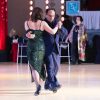
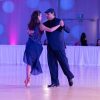
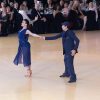
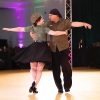

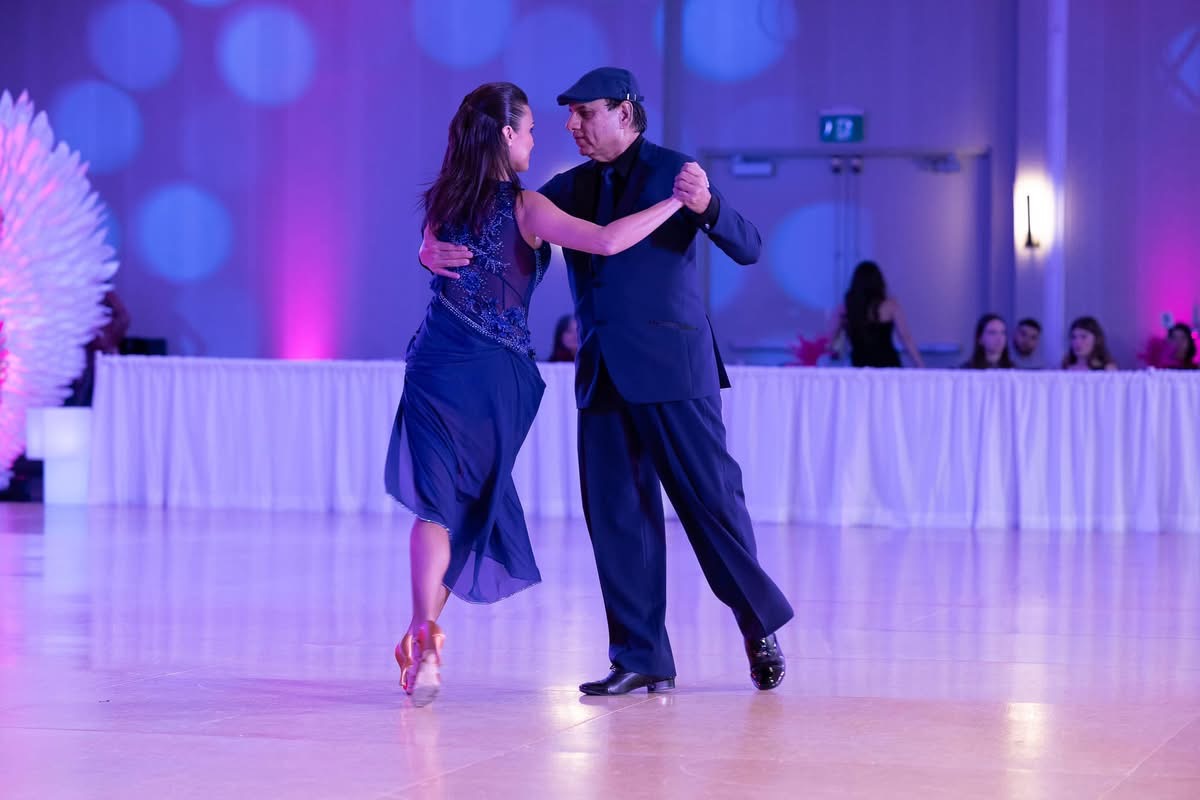
Argentine tango is a social dance that thrives in real rooms with real people, moving to live or recorded orchestras and sharing eye contact, smiles, and quiet pauses. If you are eager to enjoy your first milonga with confidence, you need more than figures. You need social tango skills that keep partners safe, the room relaxed, and the music at the center of every choice. This guide, written on behalf of Tango Canada Academy, shows you how to turn good intentions into repeatable habits so your evenings feel calm, musical, and memorable.
Many beginners think progress means learning more steps. In practice, the dancers everyone loves to meet are the ones who listen, navigate, invite kindly, and adapt their movement to traffic and phrasing. Social tango skills are the bridge from the classroom to the ronda. With a little structure and consistent practice, you can make these skills second nature and enjoy milongas from your very first season.
What Are Social Tango Skills
Social tango skills are the behaviors and choices that make a crowded floor feel safe, elegant, and musical. They include floor craft, invitation etiquette, compact movement, and a comfortable embrace that breathes with the music. You will notice that when your social tango skills improve, partners relax sooner, collisions drop, and your tandas feel like conversations instead of puzzles. These abilities support every style, from open to close embrace, because they are about awareness and kindness more than choreography.
For newcomers, the fastest way to grow is to connect simple steps to clear etiquette and musical awareness. That means walking in time, collecting fully, and choosing step sizes that match traffic. It means respecting lanes, using cabeceo and mirada to invite, and ending tandas with a thank you. When you train these habits deliberately, your social tango skills become reliable, and that reliability is what people remember.
The Core Elements You Will Practice
At the center are navigation, invitation, connection, and music. Navigation keeps you in your lane and aligned with traffic. Invitation uses mirada and cabeceo so partners feel respected. Connection is a readable embrace that carries timing through the torso instead of the hands. Music ties everything together so your social tango skills do not float above the song but grow from it. When these elements work together, even a simple walk feels expressive and safe.
Floor Craft and Navigation Essentials
Floor craft is the art of moving in a counterclockwise ronda without surprising other couples. The room usually organizes into two or three lanes. You select one lane and stay in it, adjust step size to density, and avoid overtaking. These choices are not restrictions. They are the foundation of social tango skills because they reduce anxiety for you and your partner. If the couple ahead pauses at a phrase ending, you pause with them. If traffic gets tight, you scale down rotations and walk with gentle timing until space returns.
Enter the floor from the outside edge at a musical break. Make eye contact with the oncoming leader, receive a small nod, and join the flow. Exit at the edge during a cortina or a phrase ending, not in the middle of a song. When you arrive and leave cleanly, your social tango skills contribute to the calm rhythm of the room. With each polite entry and exit, you will feel more at home, and your partner will sense that you care about everyone’s comfort, not just your own dance.
The Ronda and Lanes Explained
Think of the ronda as gentle traffic rules that protect creativity. Stay parallel to the room’s shape and move forward when there is space. If you need to change lanes, check behind and to the side, then shift during a pause. This is where social tango skills shine, because you are reading the whole room as well as your partner. Calm choices keep shoulders soft and embraces relaxed.
Safe Step Choices On Busy Floors
In crowding, pick compact ochos, short molinetes, and quiet rebounds. Delay leg extensions unless the bubble around you is clear. Treat every collection as a comma, not a stop, so you can continue smoothly when traffic opens. These small decisions are the daily language of social tango skills.
Invitation Etiquette That Feels Easy
Invitations are part of the poetry of the night. In most rooms, dancers invite with mirada and cabeceo. You meet eyes across a comfortable distance, share a brief nod, and then meet at the edge of the floor. This method protects dignity, avoids awkward walks, and allows everyone to choose freely. When you honor this custom, your social tango skills help the room feel warm and organized.
If you prefer to sit with a friend, leave clear sightlines so others can see you. Smile when you are available and look away gently when you are resting. Hosts often seat newcomers to improve visibility for invitations, which is another reason strong social tango skills include awareness of the room’s layout. In time, you will be able to read where to sit for more or fewer invitations and how to send clear signals without words.
Cabeceo and Mirada In Practice
Use soft eye contact, a small nod, and a friendly walk to the meeting point. If you miss a glance, let it go and try later. The spirit behind these rituals is respect. Social tango skills are not only about technique. They are about making every partner feel welcome and unpressured.
Graceful Declines Without Awkwardness
If you prefer to sit out, thank the person with your eyes and look away, or offer a polite verbal decline at the edge. Clear kindness is always in season. With steady practice, you will find that social tango skills make invitations and refusals easy for everyone.
Musical Awareness For Social Dancing
Music leads, movement follows. That is the heart of social tango. You will hear pulse, phrase, and the tension and release that shape a song. Start your tanda by walking to the pulse for a few moments, then add pauses at phrase endings. A single planned pause per track calms the embrace and lets the feet land softly. This is a simple way to grow musical sensitivity as part of your social tango skills.
Different orchestras invite different qualities. Di Sarli encourages long lines and gentle suspension. D’Arienzo rewards crisp, compact rhythms. Troilo feels warm and lyrical, while Pugliese carries dramatic tension into stillness and release. You do not need to memorize music theory. You only need to let step size and timing match the song’s mood. When you do, your social tango skills sound like the music looks, even to non dancers.
Pulse, Phrase, and Pause You Can Feel
Walk the heartbeat, change or breathe at commas, and treat stillness as living time. If you are unsure what to do, walk, collect fully, and listen. Musical clarity is the most beautiful part of social tango skills, and it is available to you from your first month.
Connection and Embrace That Breathe
A comfortable embrace is a living channel where information travels through aligned posture and breath. Stack head, ribs, and pelvis, keep knees soft, and let the back carry the arms. Tone should feel like a quiet engagement, not a grip. A clear center gives direction and timing. When the embrace breathes, your social tango skills stay readable at every speed, and partners feel safe to relax.
Followers contribute as much as leaders. Protect your axis, complete each transfer before the next proposal, and color the timing with tiny adornos that do not pull the couple off center. Leaders propose with the torso, not the hands, and match step size to the lane. With two people sharing responsibility, social tango skills turn a simple walk into real communication.
Open and Close Embrace Without Stress
Start with open embrace for visibility and balance. Add moments of close embrace when traffic is tight or music is intimate. Breathe together to signal starts and suspensions. By learning both forms with patience, you expand your social tango skills and can adapt to every room.
Quick Wins For The Social Floor
Most people improve faster by doing a few small things consistently than by chasing new patterns. The paragraphs here explain why tiny habits work so well and how they support your confidence in crowded rooms. When you keep steps compact, collect between segments of turns, and pause with the phrase, your social tango skills become calm and predictable. Partners will remember how easy it felt to dance with you.
It helps to anchor your night with two simple promises. First, walk for the first thirty seconds of each song to settle timing. Second, size your steps to the couple in front of you. These promises take pressure off in the moment and let your social tango skills carry you through the tanda without worry.
15 Fast Habits To Try Tonight
- Enter from the outside during a musical break
- Make eye contact before stepping into traffic
- Walk first, decorate later
- Keep steps smaller than you think you need
- Pause once per song at a phrase ending
- Collect fully before each pivot or turn segment
- Save leg extensions for clear space
- Do not overtake unless the lane is empty
- Thank partners at the end of the tanda
- Hydrate during cortinas and reset your mindset
- Sit where sightlines support invitations
- Choose orchestras you can relax with early in the night
- Match your embrace to partner comfort
- Apologize briefly if a bump happens, then reset
- Leave the floor at the edge during cortina
Building Confidence And Mindset On Social Floors
Confidence grows from presence, not from acting bold. Prepare your body with a short warmup, your ears with a favorite orchestra, and your mind with one simple intention. It can be as small as breathe and collect or walk and listen. The point is to reduce noise so your social tango skills can run on habits. When you trust your routine, you stop chasing perfection and start enjoying conversation.
If nerves rise, choose one song to walk quietly and breathe together. Anxiety and cramped steps are close friends. Calm walking separates them. It is also fine to sit for a tanda, listen to the room, and then return when you feel ready. Social tango skills include knowing when to dance and when to rest.
Handling Nerves Before They Start
Visualize the ronda, your first entry, and a clean exit at cortina. Set a tiny goal, like one planned pause each track. Stay curious about partners rather than critical of yourself. This curiosity keeps your social tango skills flexible and kind even when the room is new.
Practice Plans That Translate To Milongas
Training at home is most effective when it is short and clear. Ten to twenty minutes, twice a week, is enough to make a visible difference. Begin with posture and breath, then do a pulse walk at one step per beat. Add quarter turn pivots and a tiny molinete. End with a slow song where you walk, pause once, and collect quietly. This is how you wire social tango skills so they show up when the floor is full.
At practica, keep one tanda for experiments and one tanda for confidence. During the experiment tanda, try a compact turn or a new musical pause. During the confidence tanda, do only what feels reliable. Alternating these modes keeps your social tango skills growing while your social nights stay enjoyable.
A Four Week Schedule You Can Keep
Week one focuses on walking, collections, and small steps. Week two adds compact pivots and back ochos. Week three practices breath timing and tone changes in the embrace. Week four blends musical pauses with calm navigation on inner lanes. Repeat the cycle and record one short video each month. You will be surprised how quickly your social tango skills improve when you keep the plan simple.
Why Choose Tango Canada Academy
Tango Canada Academy teaches what works on real social floors. Our classes link posture, embrace, musical listening, and navigation to choices you can use tonight. We rotate partners, coach etiquette, and host practicas where experiments are welcome. You will learn to trust your walk, choose safe step sizes, and listen for phrase endings, which are the building blocks of social tango skills.
Students appreciate concise cues, optional video feedback, and a supportive community that values clarity and kindness. Whether you are brand new or returning after a break, you will find a path that matches your pace. If your goal is a relaxed night with partners who feel safe and heard, we will help you build those social tango skills step by step.
Canadian Resources That Support Your Growth
Canada offers public programs that encourage participation in the arts and help communities learn together. These programs can complement your classes with festivals, workshops, and cultural events that strengthen listening, confidence, and social tango skills. Exploring national resources keeps motivation high across the season and can connect you with new music and mentors.
Look for opportunities that support dance creation, training, and community engagement. Grants, gatherings, and cultural projects all contribute to a richer social scene and better social tango skills for everyone. Start with these national portals and follow their links to events in your region.
- Canada Council for the Arts — Dance
- Canadian Heritage — Arts and Cultural Participation
Etiquette, Music, and Kindness Create Great Nights
Your best tandas will come from small, repeatable choices. Walk first to hear the room, size steps to the lane, invite with eye contact, and pause at phrase endings. Keep embraces comfortable and treat stillness as part of the dance. With this mindset, your social tango skills will turn a busy floor into a place where you feel welcome and capable. Most of all, you will start to enjoy the simple pleasure of two people moving kindly inside good music.
If you are ready to practice these ideas with friendly coaching, join a class or practica at Tango Canada Academy. Bring this guide, try a few habits, and feel how the night changes. With steady attention to social tango skills, you will not just survive your first milonga. You will belong there.
Frequently Asked Questions
1) How soon should I start training social tango skills if I am a beginner
Begin in your first month. Walking on the pulse, collecting fully, and using simple pauses are easy ways to build social tango skills before your first milonga.
2) Do I need to know many figures to apply social tango skills at a social
No. A calm walk, compact ochos, and a small turn are enough. Most partners prefer clear social tango skills to a long list of patterns.
3) What is the safest way to enter and exit the floor using social tango skills
Enter from the outside during a musical break with eye contact to the oncoming couple. Exit at the edge during cortina. These steps show strong social tango skills and protect traffic.
4) How do I handle invites and declines while practicing social tango skills
Use mirada and cabeceo for invitations, and a gentle look away or a polite decline when resting. Respectful signals are central to social tango skills.
5) Which orchestras should I choose to develop social tango skills
Start with Di Sarli for calm walking, D’Arienzo for rhythmic clarity, and Troilo for lyrical phrasing. Matching movement to mood is part of mature social tango skills.
6) What can I do if I feel nervous about crowded lanes and want better social tango skills
Keep steps small, collect often, and focus on breath. Walk the first thirty seconds of a song to settle. These choices strengthen social tango skills quickly.
7) How can I practice at home to reinforce social tango skills between classes
Do ten to twenty minutes twice a week. Work posture, pulse walk, quarter pivots, and one planned pause per track. This simple routine is enough to grow reliable social tango skills.


Comments are closed