



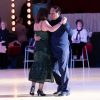
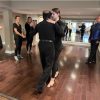


Argentine Tango is more than a beautiful partner dance. It is a full mind and body practice that can quietly reshape how you breathe, stand, relate to others, and handle stress. Many students first try a class out of curiosity, then stay because they notice subtle but powerful changes in mood, focus, and self belief. That is where the idea of tango mental health support begins to feel real in everyday life instead of just a phrase on a flyer.
At Tango Canada Academy, we see people walk in feeling shy, anxious, or overwhelmed by daily life and gradually discover new ease in their bodies and relationships. You do not have to be a performer to benefit. You simply need a safe space, good guidance, and a willingness to listen to the music and your own nervous system. In this guide, we will explore how tango mental health benefits show up, how social dancing builds confidence, and how to start in a way that feels sustainable and supportive.
How Tango Supports Mind And Emotion
When people talk about tango mental health benefits, they often describe a deep sense of presence. The structure of Argentine Tango asks you to feel your feet, your axis, your partner, and the music all at once. This full attention to the present moment redirects energy away from rumination and worry. For many dancers, that becomes a regular moving meditation that calms the nervous system and gives the mind a break from constant planning or self criticism.
Argentine Tango also creates a rare space where emotions can move without words. Joy, sadness, nostalgia, and hope are all built into the music. As you improvise, you can express these feelings through weight, breath, and timing. Over time, this expressive outlet is one of the most valuable aspects of tango mental health support, because it lets you process inner states in a creative, embodied way instead of staying stuck in your thoughts.
Embodied Mindfulness In Motion
Mindfulness is often taught as a seated practice, but it can also live in movement. In tango mental health work, simple exercises like walking to the beat, pausing on one leg, or feeling the transfer of weight from heel to toe create immediate feedback. You notice tension in your shoulders, shallow breathing, or a habit of rushing. You then have an opportunity to soften, lengthen, and slow down inside the dance.
This kind of embodied awareness does not stay in the studio. Many dancers report that after exploring tango mental health benefits through mindful walking and embracing, they start to notice posture and breath at their desks, in meetings, and during stressful conversations. They can self regulate more quickly because their bodies have learned pathways back to balance through practice.
Shared Presence And Non Verbal Support
Tango is a partner dance, which means you are never doing the work alone. In a supportive environment, tango mental health gains come from the experience of being literally held in a safe, respectful embrace. You and your partner move together, share responsibility for balance, and respond to subtle changes in tone or energy. This mutual regulation is powerful for people who feel isolated or disconnected.
Over time, you learn to recognize when your partner feels nervous or tight and how a calmer, smoother connection can help both of you. This non verbal cooperation is at the heart of tango mental health growth. It reminds you that you can be vulnerable and still be supported, and that you can offer the same support to others without needing perfect words.
Confidence Building Through Social Tango
Beyond its emotional benefits, tango is a practical training ground for social confidence. Many people come to their first class feeling awkward about being seen or judged. The structure of partner rotation, music sets, and clear codes gradually transforms that anxiety into familiarity. This is where tango mental health and social skill development blend together in a very concrete way.
Every time you invite someone to dance, accept an invitation, or gracefully say no, you practice boundaries and communication. Each successful tanda is a small proof that you can connect with a stranger, cooperate for a few minutes, and part on friendly terms. For nervous or introverted people, these repeated experiences build a new internal story about who they are socially, which strengthens social confidence alongside tango mental health benefits.
From Self Conscious To Self Aware
In the beginning, it is normal to worry about how you look. You might think that everyone is watching your feet or judging your technique. With time, guided practice transforms this self consciousness into healthy self awareness. Instead of thinking “I am terrible,” you begin to think “My balance improves when I keep my chest lifted and breathe with the phrase,” which is a classic shift linked to tango mental health gains.
This change matters because it turns vague shame into specific, manageable observations. When students at Tango Canada Academy learn to frame their thoughts in constructive ways, they find that this new mindset spreads into work, relationships, and other activities. They become more comfortable making mistakes and adjusting, which is one of the most practical results of using tango mental health tools in everyday life.
Expanding Your Social Circle Safely
Many adults find it hard to make new friends outside of school or work. Tango communities naturally create a gentle, structured way to meet people across ages and backgrounds. Because milongas and practicas are framed around dancing, there is no pressure to maintain long conversations or perform socially. You can share a dance, exchange a few words, and build familiarity over time. This slow pace often feels safer for people using tango mental health practices to rebuild trust and social comfort.
The codes of the milonga also protect boundaries. Clear rules about how to invite, how long a tanda lasts, and how to end a dance politely mean you never feel trapped. Knowing you can choose when and with whom you dance increases your sense of control, which is an important piece of mental health support for anyone recovering from social anxiety or past negative experiences.

Psychological Benefits Backed By Research And Practice
Dance and movement are increasingly recognized as valuable for mental wellbeing. The Health and Wellness Agencies highlight social inclusion, meaningful activity, and physical movement as key ways to promote positive mental health in daily life, alongside community events and creative programs. Argentine Tango naturally brings these elements together in one practice, which is why tango mental health conversations are becoming more common in wellbeing circles.
On the services side, national mental health information hubs emphasize the importance of reaching out for support, learning coping skills, and finding activities that help regulate emotions. (Canada) While tango is not a replacement for therapy or medical care, it can complement formal support by offering a regular, enjoyable way to move, connect, and feel part of a community. In this sense, tango mental health benefits fit into a broader ecosystem of tools that help people stay grounded and resilient.
Stress Relief And Emotional Regulation
Stress often shows up first in the body: tight shoulders, shallow breathing, a clenched jaw. Tango classes give you a structured setting to notice and release these patterns. The music invites you to coordinate breath with movement, and the embrace encourages your chest and back to soften. For many dancers, this physical shift is the entry point into tango mental health benefits, because the mind feels calmer when the body is less tense.
Emotional regulation also improves as you learn to ride the waves of different songs. Some tangos feel playful, others melancholic, others bold and dramatic. Allowing yourself to feel these shades without judgment, and then return to neutral when the tanda ends, becomes a kind of training. Over time, this dance based regulation supports tango mental health by showing you that intense feelings can be experienced, expressed, and then safely let go.
Resilience, Agency, And Identity
Learning any complex skill can build resilience, but tango has some special features. You work closely with partners, deal with crowded floors, and adapt to different musical styles. Each time something unexpected happens and you find a way through without breaking connection, you gain a small, embodied lesson in coping. This is one way that tango mental health benefits show up as greater patience and flexibility off the floor as well.
There is also a sense of achievement that comes from choosing to attend classes, practicas, and milongas. You are actively building a new identity as a dancer, not passively enduring stress. Students often describe how tango mental health gains include feeling more like the main character in their own lives, because they are practicing taking initiative, setting goals, and celebrating progress in a tangible, joyful context.
Everyday Ways Tango Can Support Your Wellbeing
You do not have to dance every night to feel tango mental health benefits. Small, consistent habits make a difference. Even one or two classes per week, combined with occasional social dancing, can help you reset after busy days, connect with others, and give your mind a focused break from screens and worries. What matters most is treating tango as part of your self care, not just another item on a to do list.
You can also bring pieces of tango into ordinary moments. Waiting for a bus becomes a chance to practice aligned posture and conscious breathing. Walking down a hallway turns into a slow, grounded walk to an inner orchestra. These micro practices keep tango mental health tools available even when you are not near a studio, and they reinforce the positive associations your brain has with the dance.
Here is a simple list of ways to weave tango into your week and support your wellbeing:
- Attend one group class focused on fundamentals
- Spend ten minutes at home walking to a favorite tango track
- Focus on your walk, relationship between the standing leg and free leg and weight transfer awareness – makes you more balanced and confident in your walk
- Visit a practica to apply what you learned in a relaxed setting
- Journal about how your mood felt before and after dancing
- Invite a friend to join you to strengthen both social ties and tango mental health benefits
Simple Habits To Maximize The Benefits
To get the most from tango mental health effects, consistency helps more than intensity. It is better to attend modestly and regularly than to overdo it and burn out. Try pairing each class with a small ritual, such as a short stretch at home before you leave or a quiet moment after class to notice how your body feels. Over time, these rituals teach your brain to associate tango with safety and restoration.
You can also support tango mental health gains by staying hydrated, resting when needed, and balancing effort with playfulness. Remember that your nervous system learns best when it feels safe and curious. Pushing too hard to improve quickly can trigger the same stress responses you are trying to soothe. Treat classes as experiments where you gather information rather than tests you must pass.
Getting Started With Tango For Mental Health And Confidence
If you want to explore tango mental health benefits, the first step is simply to walk into a beginner friendly class. Choose a studio that emphasizes connection, musicality, and comfort over flashy moves. Look for clear communication about expectations, partner rotation, and inclusivity. A welcoming environment is crucial, especially if you are dealing with anxiety, loneliness, or a recent life change.
It is also wise to be honest with yourself about your needs. If you are currently working with a therapist, consider mentioning your interest in tango mental health practices so you can integrate insights. For those facing significant distress or crisis, national resources from the Government of Canada can help you access mental health support and crisis lines, and these can sit alongside tango as complementary tools.
Choosing A Supportive Class Environment
When comparing options, pay attention to how teachers talk about mistakes and learning. A compassionate teaching style strongly supports tango mental health benefits, because it reduces fear of failure. Instructors who normalize awkward beginnings and celebrate small improvements help students stay engaged long enough to feel real change.
Ask whether the school offers practicas, workshops, or community events. These extras help you apply tango mental health skills in social settings while still having access to guidance. Finally, notice how you feel in the space. Do people greet newcomers? Is the room physically comfortable? Your body’s reaction is an important part of choosing a place where your mind can also relax and grow.
Why Choose Tango Canada Academy
If you are looking for a place to explore tango mental health benefits in a structured, supportive way, Tango Canada Academy is designed with you in mind. Our beginner curriculum focuses on posture, balance, and connection before layering in complex figures, so your nervous system builds a reliable foundation. You are encouraged to move at your own pace, ask questions, and focus on how the dance feels, not just how it looks.
Beyond steps, classes at Tango Canada Academy highlight communication, consent, and emotional awareness inside the embrace. This holistic approach means that tango mental health support is woven into everyday training instead of sitting in a separate box. You learn how to check in with partners, how to respect your own boundaries, and how to handle social situations at milongas with clarity and kindness.
Our Approach To Mind, Body, And Community
Sudhir Gandhi, Fellow, Argentine Tango, Canadian Dancesport Federation and Principal Coach at Tango Canada Academy is a certified and well experienced instructor who understands how sensitive the learning process can be.
For that reason, at Tango Canada Academy we celebrate our students’ success at the Tango Social and Competitive Events or Showcases . Or when our students express they feel calmer at work, more open to new friendships, or more confident in their own skin, just as much as when they master a difficult pattern.
Tango Canada Academy gives tango mental health work a strong cultural and social context, not just a technical one.
A Kinder Relationship With Yourself And Others
Argentine Tango offers a rare combination of structure and freedom. Inside that balance, tango mental health benefits can quietly transform how you relate to your body, your emotions, and the people around you. You do not need to aim for the stage or master every style. Simply showing up, breathing with the music, and sharing a few honest tandas already begins to shift patterns that may have felt stuck for years.
As you continue, you might notice that everyday situations feel slightly easier. Conversations flow more naturally, stressful days feel more manageable, and loneliness softens as you become part of a community. These are all signs that tango mental health tools are taking root in your nervous system and identity. They grow through repetition, curiosity, and kindness rather than pressure or perfectionism.
If this resonates with you, consider taking a small step. Join a beginner class, visit a practica, or simply watch a milonga and imagine yourself on the floor. Tango Canada Academy is ready to welcome you, support your goals, and help you discover how tango mental health practices can fit into your own path toward confidence and wellbeing.
Frequently Asked Questions
- Can tango mental health benefits really help with stress?
Yes, many dancers experience reduced stress because tango encourages deep breathing, present moment focus, and physical release of tension. The combination of music, movement, and social connection creates a natural environment where tango mental health benefits can show up as calmer moods and better recovery after difficult days.
- Is tango mental health support a replacement for therapy or medical care?
Tango is not a replacement for professional help. Instead, tango mental health benefits should be seen as complementary to therapy, counseling, or medical treatment. If you are dealing with significant anxiety, depression, or trauma, it is important to work with qualified health professionals while using tango as a supportive activity.
- How fast can I feel tango mental health improvements after starting classes?
The timeline varies, but some students feel small tango mental health shifts after only a few classes, such as better sleep or a lighter mood after dancing. Deeper changes in confidence, social ease, and self image usually build over months of regular practice, as your body and mind adapt to the new patterns.
- Can shy or introverted people benefit from tango mental health practices?
Absolutely. Tango communities often include many introverted people who appreciate structured social interaction. For them, tango mental health benefits include having clear roles, time limited dances, and non verbal connection, which make socializing feel safer and more manageable than in unstructured environments.
- Does tango mental health improvement depend on having a regular partner?
You do not need a fixed partner to experience tango mental health gains. Group classes and milongas usually include partner rotation, which helps you learn to connect with different people. This variety can actually strengthen tango mental health results by expanding your comfort zone and showing you that you can adapt to many embraces.
- What if I feel anxious about being judged while dancing for tango mental health reasons?
Feeling nervous about judgment is very common, especially at the beginning. One of the goals of tango mental health work is to gradually shift your focus from external evaluation to internal experience. Supportive teachers and communities help by normalizing mistakes, emphasizing process over perfection, and reminding you that everyone was a beginner once.
- How can I combine tango mental health benefits with other wellness practices?
You can integrate tango with many wellness habits. For example, some people pair tango mental health practices with yoga, meditation, or outdoor walks to support flexibility and relaxation. Others combine dance with journaling, counseling, or group support. The key is to choose a mix that feels balanced and sustainable, and to stay attentive to how your mind and body respond over time.


Comments are closed