

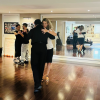
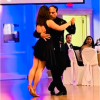
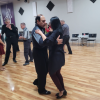



Argentine tango is more than a dance. Argentine tango represents a cultural expression shaped by history, emotion, and social connection. For beginners, understanding Argentine tango begins with learning how movement, music, and shared awareness come together. Argentine tango has evolved over time, yet it remains grounded in tradition. Argentine tango continues to attract people who seek both artistic expression and meaningful interaction. Argentine tango is not about performance alone, but about communication between partners. Argentine tango allows dancers to express feeling through subtle movement. Argentine tango invites beginners to explore rhythm, balance, and connection in a natural way.
This guide explains Argentine tango from its origins to its styles, music, and social customs, offering a clear starting point for those new to this dance form.
Origins of Argentine Tango
Argentine tango developed in the late nineteenth century in the port cities of Argentina, particularly Buenos Aires. It emerged from working class neighborhoods where immigrants from Europe, Africa, and South America shared music and movement. The dance reflects a blend of cultures, rhythms, and social experiences.
Early Argentine tango was danced in informal settings such as streets, community halls, and social clubs. Over time, it moved into dance salons and theaters. Despite gaining global recognition, Argentine tango has maintained its focus on improvisation and partner connection rather than rigid choreography.
Understanding tango dance history helps beginners appreciate why Argentine tango values feeling and communication over technical display.
Cultural Meaning of Argentine Tango
Argentine tango reflects themes of longing, resilience, and human connection. The music often tells stories of love, loss, and nostalgia. These emotional elements influence how dancers interpret movement.
In Argentine tango, the dance floor becomes a shared conversation. Each step responds to the music and to the partner. This cultural aspect distinguishes Argentine tango from many other dance forms.
Tango culture also emphasizes respect and etiquette. Social dances, known as milongas, follow traditions that support comfort and mutual awareness among dancers.
Fundamental Elements of Argentine Tango
Connection Between Partners : Connection is central to Argentine tango. Dancers maintain physical and emotional awareness of each other. This connection allows movement to feel guided rather than forced.
Argentine tango connection relies on posture, balance, and attentive listening. Beginners often focus on walking patterns first because walking is the foundation of the dance.
Improvisation and Musicality : Argentine tango is largely improvised. Rather than memorizing routines, dancers respond to music in real time. Musical interpretation plays a significant role.
The music of Argentine tango varies in tempo and mood. Dancers learn to adjust their movement based on rhythm and melody, allowing the dance to unfold naturally.
Embrace Styles : The embrace refers to how partners hold each other while dancing. Argentine tango embraces range from close to open positions. Each embrace style offers a different experience of connection and movement.
Beginners often start with a comfortable open embrace before exploring closer positions as confidence grows.
Music in Argentine Tango
Music is essential to understanding Argentine tango. Traditional tango music features instruments such as the bandoneon, violin, piano, and double bass.
There are three main musical categories associated with Argentine tango:
- Tango, which is dramatic and expressive
- Vals, which has a flowing rhythm
- Milonga, which is faster and playful
Listening to tango music regularly helps beginners develop timing and emotional interpretation.
Popular Tango Styles
Argentine tango includes several styles that reflect different social and historical influences. Learning about tango styles helps beginners understand the diversity within the dance.
Tango Salon : Tango salon emphasizes smooth movement and elegant walking. It is commonly danced in social settings and focuses on navigation and musical interpretation.
Tango Milonguero : This style uses a close embrace and compact movements. Tango milonguero is often danced in crowded social venues where space is limited.
Tango Nuevo : Tango nuevo explores modern movement concepts and experimentation. It includes off axis figures and creative interpretation of music.
Tango Orillero : Tango orillero developed in neighborhood areas and includes playful footwork. It offers more freedom in movement while maintaining traditional roots.
Each style reflects a different approach to Argentine tango while maintaining the core values of connection and musicality.
Learning Argentine Tango as a Beginner
Starting Argentine tango does not require prior dance experience. Beginners benefit from focusing on posture, walking, and listening skills.
Many people begin their journey through structured learning environments such as tango classes toronto, where instruction emphasizes fundamentals and cultural understanding.
Group learning allows beginners to observe others and practice social interaction in a supportive environment.
Social Dance Traditions
Argentine tango social events are called milongas. These gatherings follow certain customs that create a respectful atmosphere.
Music is played in sets, and dancers usually stay with the same partner for an entire set. This tradition supports continuity and connection.
Understanding social etiquette helps beginners feel comfortable participating in community events.
Clothing and Footwear
Argentine tango attire prioritizes comfort and balance. Shoes typically have smooth soles to allow easy pivoting.
Clothing should allow freedom of movement. Beginners are encouraged to wear attire that helps maintain posture and stability.
Benefits of Practicing Argentine Tango
Argentine tango offers physical, mental, and social benefits. It improves balance, coordination, and posture. The focus on connection supports mindfulness and emotional awareness.
Socially, Argentine tango creates opportunities for community engagement and shared experience.
Many beginners find that learning through argentine tango lessons supports confidence and body awareness over time.
Common Misconceptions About Argentine Tango
Some believe Argentine tango requires advanced skill or dramatic movement. In reality, the dance emphasizes simplicity and subtlety.
Another misconception is that Argentine tango is rigid. On the contrary, improvisation and adaptability are central to the dance.
Beginners often discover that tango dance lessons focus more on listening and communication than memorization.
How Argentine Tango Is Practiced Worldwide
Although Argentine tango originated in Argentina, it is now practiced globally. Communities around the world adapt the dance while respecting its traditions.
International festivals and workshops offer opportunities for cultural exchange and learning.
The global reach of Argentine tango demonstrates its lasting appeal and adaptability.
Developing Your Tango Journey
Progress in Argentine tango is gradual. Beginners are encouraged to focus on consistency rather than speed.
Regular practice, music listening, and participation in social events help deepen understanding.
Learning Argentine tango is an ongoing process that evolves with experience and personal expression.
Frequently Asked Questions
1. What makes Argentine tango different from ballroom tango?
Argentine tango focuses on improvisation, connection, and musical interpretation, while ballroom tango follows structured choreography and fixed patterns.
2. Is Argentine tango suitable for beginners?
Yes, Argentine tango is accessible to beginners and emphasizes walking, posture, and awareness rather than complex steps.
3. Do I need a partner to learn Argentine tango?
No, many beginners start without a partner. Classes often rotate partners to encourage learning and adaptability.
4. How long does it take to learn Argentine tango?
Learning Argentine tango is ongoing. Basic skills can be developed in a few months, while deeper understanding develops over time.
5. Can Argentine tango improve balance and posture?
Yes, Argentine tango supports balance, coordination, and posture through mindful movement and partner connection.


Comments are closed