


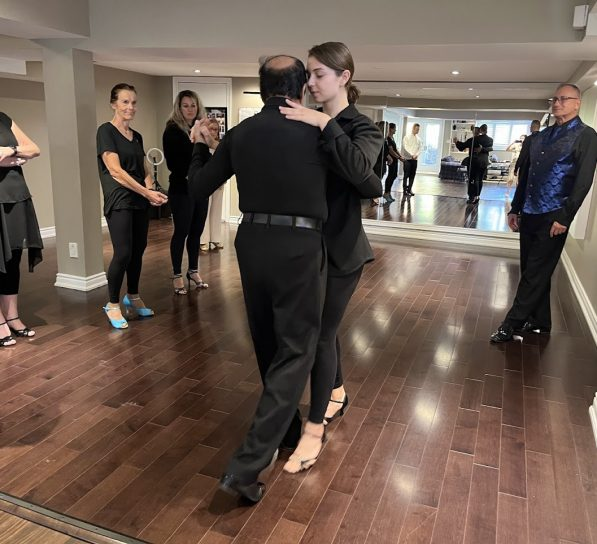
Tango Movement is not created by steps alone. Tango Movement is guided, influenced, and refined by the music that surrounds the dancers. In Argentine tango, musicality is the foundation that shapes how partners walk, pause, turn, and connect on the floor. Without understanding tango musicality, movement becomes mechanical and disconnected from the emotion carried by the music.
Argentine tango is often described as a walking dance, yet that walk changes completely depending on the orchestra, the rhythm, and the phrasing of the song. The same step can feel slow and grounded with one piece of music and sharp and energetic with another. This is why dancers who develop strong musical awareness appear fluid and expressive without needing complicated patterns.
Many dancers begin exploring musicality through structured learning such as argentine tango classes, where listening skills are developed alongside physical technique.
Understanding Tango Musicality Beyond Counting
Tango musicality is not simply about counting beats. It is about recognizing how the music breathes. Each orchestra presents different textures. Some emphasize smooth legato melodies, while others highlight strong rhythmic accents. When dancers learn to hear these differences, their movement naturally adapts.
The embrace, walking speed, and pauses all respond to what the music suggests. Instead of moving because a pattern requires it, dancers move because the music invites it.
How Tango Rhythm Guides the Walk
The walk is the most important element of Argentine tango. Tango rhythm determines how that walk is expressed. Strong rhythmic sections encourage grounded, confident steps. Softer melodic passages invite slower, more suspended movement.
- Rhythmic music encourages clear, deliberate walking steps
- Melodic music invites smoother transitions and longer pauses
Between these rhythmic and melodic changes, dancers learn to vary energy without breaking connection with their partner. This variation is what makes tango visually expressive even when the steps remain simple.
Listening to Tango Music as a Dancer
Developing sensitivity to tango music requires active listening. Dancers who spend time listening outside of practice begin to recognize patterns in phrasing and orchestration. They learn when a phrase is ending, when the music builds tension, and when it resolves.
This awareness allows leaders to guide movement that matches the music’s intention, while followers respond with timing that feels natural rather than forced.
Many students enhance this understanding through guided tango dance lessons that focus specifically on musical interpretation.
The Role of Pauses and Stillness
Musicality is also expressed through stillness. Tango music often includes moments where movement is not necessary. Pauses create contrast and allow dancers to highlight subtle changes in the music. A well timed pause can be more expressive than a series of steps.
Learning when not to move is a skill that comes from listening carefully to the structure of the music rather than focusing only on continuous motion.
Building Movement Through Musical Phrasing
- Recognize the beginning and end of musical phrases
- Adjust walking speed to match the energy of the orchestra
- Use pauses to reflect quieter sections of the music
- Add turns and pivots when the music becomes more dynamic
This approach helps dancers build movement that feels connected to the music instead of memorized.
Emotional Expression Through Musical Awareness
Tango music carries emotional depth that influences how dancers move. Some songs feel dramatic and intense, while others feel playful or romantic. Musicality allows dancers to express these emotions physically without exaggeration.
The embrace becomes softer or firmer, the walk becomes heavier or lighter, and the overall movement reflects the character of the song.
Connection Between Partners and the Music
Both partners must hear the music similarly for movement to feel unified. When leaders and followers share musical awareness, transitions become smoother and the dance feels effortless. This shared listening creates harmony within the couple that is visible to observers.
Couples often refine this connection through focused practice such as couples tango lessons, where musical interpretation is explored together.
Common Challenges in Developing Musicality
Many dancers focus heavily on steps and forget to listen. This creates movement that looks correct but feels disconnected. Another challenge is moving at a constant speed regardless of what the music suggests. Over time, this habit limits expression.
Learning to slow down, pause, and change energy requires patience and consistent listening practice.
How Practice Improves Musical Interpretation
Regular practice with different orchestras improves recognition of musical patterns. Dancers begin to anticipate changes in rhythm and melody. This anticipation allows movement to feel intentional rather than reactive.
Practicing musicality also improves confidence. Dancers no longer worry about what step comes next because they trust the music to guide their movement.
Conclusion
Tango Movement is deeply shaped by musicality. Understanding tango rhythm and tango music transforms simple walking into expressive dance. By learning to listen, recognize phrasing, and respond with appropriate movement, dancers create a connection that feels natural and meaningful. Musical awareness turns technique into expression and allows Argentine tango to be experienced as a conversation between partners and music.
FAQs
What is tango musicality?
It is the ability to interpret tango music through movement, timing, and pauses.
Why is the walk so important in tango?
The walk reflects the rhythm and character of the music more than complex steps.
How can I improve my musicality?
Practice listening to tango music and focus on phrasing and rhythm during dance.
Are pauses important in tango?
Yes. Pauses highlight musical changes and add expression.
Do both partners need musical awareness?
Yes. Shared understanding of the music improves connection and flow.


Comments are closed