



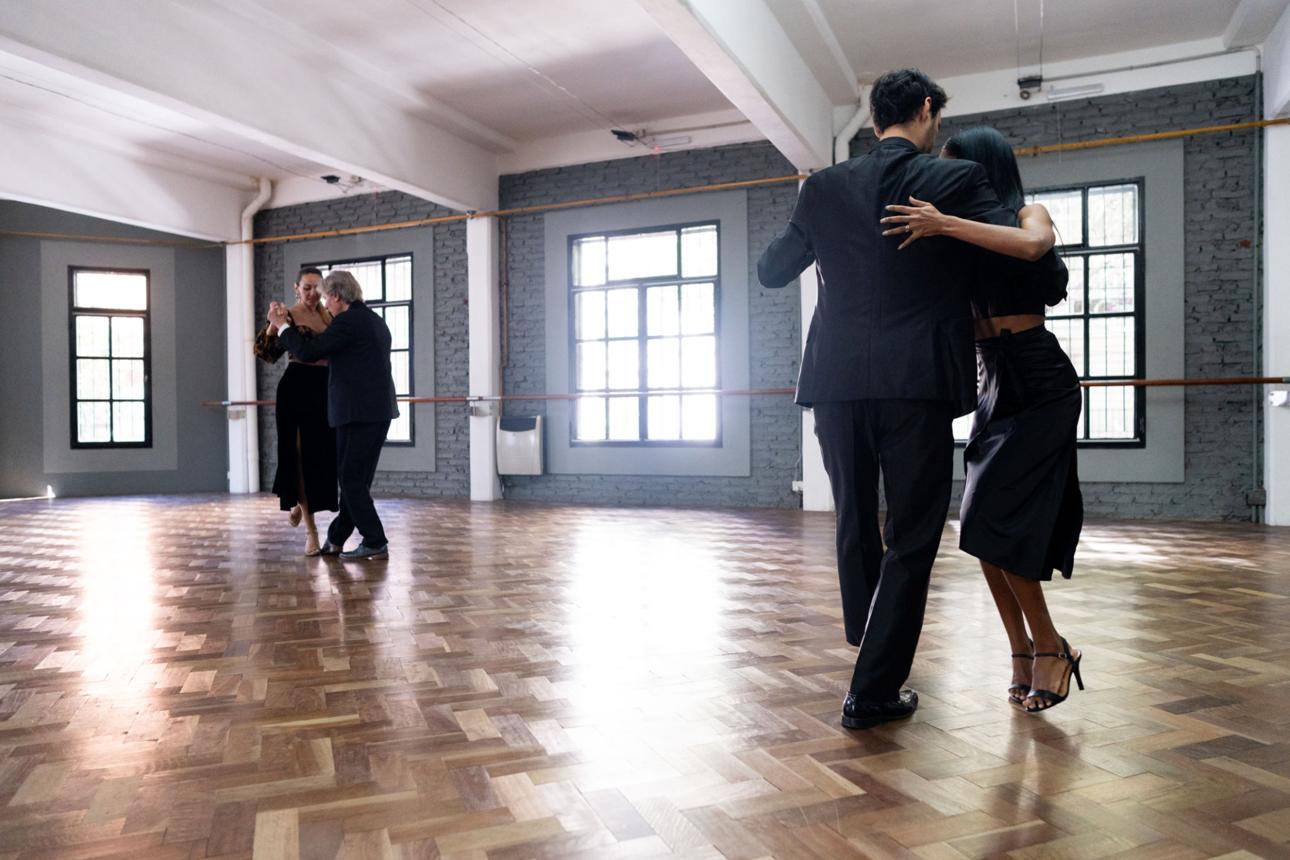
Dance a Tango is an exciting goal for anyone beginning their journey into partner dancing. Dance a Tango is not simply about memorizing steps. It is about learning how to move with confidence, connect with a partner, and respond naturally to the music. Many people admire tango because of its dramatic appearance, but beginners quickly discover that its true beauty lies in balance, timing, and communication.
Learning tango is a gradual process that starts with simple movements before progressing to more advanced techniques. At Tango Canada Academy, every experienced dancer once learned the same basic walk, posture, and partner connection that beginners practise today. By focusing on strong fundamentals, students can build confidence, improve their skills steadily, and enjoy every lesson along the way.
This guide explains the essential techniques every beginner should know, along with practical advice that makes learning easier and more enjoyable.
Why Beginners Should Focus on the Basics
One of the biggest mistakes new dancers make is trying to learn complicated figures before mastering the fundamentals. Tango is built on simple movements that become smoother with practice.
A strong foundation improves balance, coordination, and musical awareness. It also helps dancers communicate better with their partners, making every movement feel natural rather than forced.
Taking time to develop these core skills makes advanced techniques much easier to learn later.
Understanding the Purpose of Partner Connection
Unlike many dances that rely on memorized routines, tango depends on communication between two people.
The leader suggests direction through subtle body movement, while the follower responds naturally by maintaining balance and awareness. Neither partner should rely on physical strength. Instead, smooth dancing comes from trust, timing, and coordinated movement.
As beginners practise together, they gradually learn how small changes in posture and weight transfer create clear communication without words.
Start with the Tango Walk
Walking is the foundation of tango the dance. Although it appears simple, experienced dancers spend years refining this basic movement.
Each step should be slow, controlled, and balanced. Rather than taking large strides, beginners should focus on smooth weight transfer while maintaining good posture.
Practising the tango walk helps improve stability and prepares dancers for every other movement they will learn.
Maintain Proper Posture
Good posture creates balance and allows both partners to move comfortably.
Stand upright with relaxed shoulders and keep your head facing forward. Avoid leaning into your partner or looking down at your feet. Maintaining a natural posture improves movement while reducing unnecessary tension.
Comfort is more important than stiffness. The goal is to remain balanced while moving freely across the floor.
Learning to Move with the Music
Music guides every movement in tango.
Instead of counting every step mechanically, beginners should learn to recognize rhythm, pauses, and changes in tempo. Listening carefully helps dancers move naturally rather than simply following a pattern. If you are searching for tango lessons near me, look for instructors who emphasize musicality and partner connection alongside step-by-step technique to build a strong foundation.
With regular practice, musical awareness becomes just as important as learning footwork.
Essential Steps Every Beginner Should Practise
Before learning advanced combinations, every beginner should become comfortable with these movements.
Forward Walk : The forward walk teaches balance and smooth weight transfer while helping dancers move confidently across the floor.
Backward Walk : Moving backward develops awareness and coordination, allowing dancers to maintain connection without losing balance.
Side Step : Side steps help create smooth transitions and improve flexibility when changing direction.
Weight Transfer : Changing weight from one foot to the other without stepping teaches body control and prepares dancers for more advanced figures.
Basic Turn : Simple turns introduce rotational movement while encouraging better communication between partners.
Building Better Coordination
Coordination improves gradually through consistent practice.
Rather than trying to remember long sequences, beginners should repeat individual movements until they become comfortable. Short practice sessions several times each week are often more effective than occasional long sessions.
Over time, balance, rhythm, and confidence develop naturally.
Common Beginner Mistakes
Many new dancers experience similar challenges during their first lessons.
Looking down at the feet often affects posture and balance. Instead, keep your head upright and focus on your partner and surroundings.
Taking overly large steps can also reduce stability. Smaller, controlled movements usually create smoother dancing.
Another common mistake is rushing through the music. Tango rewards patience and precision rather than speed.
Three Habits That Help Beginners Improve
- Practise your walk regularly
Spending a few minutes each day practising posture and walking technique helps strengthen the foundation for every future movement. - Listen to traditional tango music
Regular listening improves rhythm recognition and helps beginners understand how movement connects with different musical phrases. - Focus on connection instead of memorization
Strong communication between partners creates smoother dancing than simply remembering a sequence of steps.
Seven Tips Before Your First Tango Class
- Wear comfortable clothing that allows free movement.
- Choose shoes with supportive soles that glide easily.
- Arrive early to become familiar with the dance space.
- Listen carefully to your instructor before practising.
- Be patient with your progress.
- Practise the basics consistently between lessons.
- Enjoy the learning process instead of aiming for perfection immediately.
Improving Your Technique Over Time
As your confidence grows, your attention will shift from individual steps to the overall quality of movement. Smooth transitions, better posture, and improved musical interpretation develop through regular practice rather than rushing into advanced figures. Attending Argentine tango classes regularly allows dancers to refine these skills, gain confidence with different partners, and continue progressing at a comfortable pace.
Dancing with different partners also helps improve adaptability. Each person moves slightly differently, allowing beginners to strengthen their communication skills and become more responsive.
Choosing the Right Learning Environment
A supportive learning environment plays an important role in helping beginners progress. Small group classes provide opportunities to practise with different partners, while private lessons allow instructors to focus on individual technique.
Many dancers combine both approaches to build confidence while receiving detailed feedback.
Understanding Tango Meaning Through Experience
Many people search for tango meaning before attending their first lesson. While history explains where the dance originated, its true meaning becomes clearer through practice.
Tango represents communication, trust, rhythm, and shared movement. Every dance is slightly different because each partnership responds to the music in its own way.
Instead of focusing only on steps, beginners gradually learn how expression and connection become equally important parts of the experience.
Conclusion
earning tango begins with simple fundamentals rather than complicated choreography. By developing good posture, practising the tango walk, understanding musical rhythm, and building strong partner communication, beginners create a solid foundation for future progress. To learn more about our instructors, teaching philosophy, and commitment to helping dancers succeed, visit our About Us page.
Patience and consistent practice are the keys to improvement. Every lesson strengthens coordination, confidence, and musical awareness, allowing new dancers to enjoy the unique experience that tango offers.
Frequently Asked Questions
Is tango suitable for complete beginners?
Yes. Most beginner classes are designed for people with no previous dance experience and focus on basic movement and partner communication.
How long does it take to learn tango?
The basic movements can be learned within a few weeks, while developing confidence and smooth technique takes regular practice over time.
Do I need a partner to start?
No. Many tango classes welcome individual participants and rotate partners during lessons.
What should I wear to a beginner tango class?
Comfortable clothing that allows movement and supportive shoes with smooth soles are usually the best choice.
Is musical ability necessary to learn tango?
No. Listening carefully during lessons gradually improves rhythm and musical awareness, even for complete beginners.


Comments are closed