




Walking into your first milonga can feel exciting and a little intimidating. The room is full of music, movement, silent invitations, and unspoken rules. That is exactly where milonga etiquette comes in. When you understand how a social tango evening works, everything becomes calmer, friendlier, and much more enjoyable, both for you and for everyone around you.
At Tango Canada Academy, we see how good milonga etiquette turns beginners into welcome members of the community. You do not need years of experience to fit in. You need a clear idea of how to move on the floor, how to invite and respond, and how to show respect for the ronda, the music, and your partner. This guide breaks down the essentials of milonga etiquette so you can step into any social tango event with confidence.
What Is a Milonga and Why Etiquette Matters
A milonga is more than a dance party. It is a social ritual built around music, connection, and shared space. People come to listen to tango orchestras, meet friends, and enjoy tandas with different partners. Milonga etiquette is the set of customs that keeps this ritual smooth and pleasant. Without clear milonga etiquette, the floor can feel chaotic, invitations can feel awkward, and misunderstandings can grow quickly. With it, even a crowded room feels organized and welcoming.
At its heart, milonga etiquette exists to protect three things: safety, comfort, and the musical flow of the night. Safety means no collisions or forced movements. Comfort means that invitations, refusals, and embraces are respectful. Musical flow means that couples move with the ronda and stay in sync with the structure of tandas and cortinas. When you follow milonga etiquette, you help create a space where everyone can relax and focus on dancing instead of worrying about what might go wrong.
From Class Mindset to Social Flow
In a class, the goal is to learn patterns, ask questions, and repeat movements until they make sense. On the social floor, the goal is different. You are there to share three or four songs in a row with a partner, not to practice the hardest step you know. Milonga etiquette encourages a shift from self focused thinking to shared experience. You pay more attention to how your partner feels, how close other couples are, and how the music suggests simple, pleasant choices.
This means leaving some of your class habits at the door. Stopping in the middle of the ronda to explain something, drilling a complicated figure while others are trying to circulate, or treating the milonga as a practice session can disturb the room. Instead, rely on the basics that you already know, apply tango social dance etiquette calmly, and save technical questions for practicas or lessons.
Core Principles of Milonga Etiquette
The core of milonga etiquette can be described in three words: respect, awareness, and simplicity. Respect means caring about your partner’s comfort, the safety of nearby couples, and the work of organizers and DJs. Awareness means paying attention to the ronda, the space behind and in front of you, and the emotional tone of the music. Simplicity means choosing small, clear steps instead of risky figures that might surprise your partner or collide with someone else.
These principles make milonga etiquette feel natural rather than strict. You are not trying to memorize dozens of tiny rules. You are trying to move through the night in a way that keeps everyone feeling seen and safe. When you do that, partners will remember dancing with you for the right reasons, even if you only used basic walking and simple turns.
Respecting the Ronda and Floorcraft
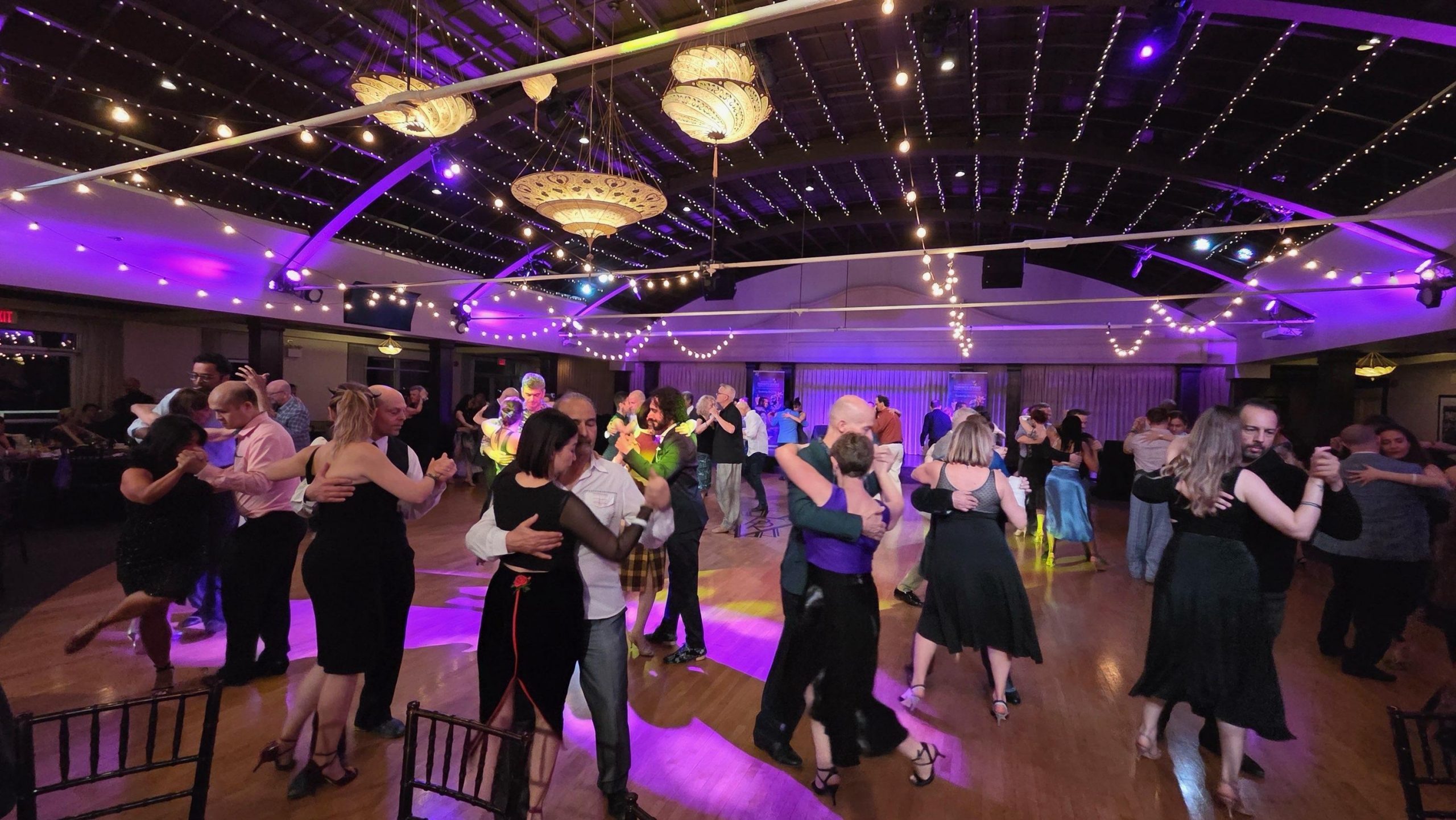
One of the most visible parts of milonga etiquette is how dancers move in the ronda. Couples travel counterclockwise around the room in lanes. The outside lane is usually for more consistent movement, while inner lanes can be used when space allows. Good milonga etiquette asks you not to overtake other couples, not to cut across lanes without checking, and not to stop suddenly in traffic. Simple, compact figures that stay inside your space are more than enough.
Floorcraft also means adapting your movements to the environment. If the floor is crowded, your milonga etiquette should guide you to take shorter steps, avoid high boleos, and skip movements that could hit others. If there is more room, you still choose shapes that you can control easily. The goal is to keep the ronda flowing without sharp breaks or dangerous surprises.
Embrace, Space, and Safety
The embrace is where comfort begins. Milonga etiquette suggests that you offer a connection that feels secure but not rigid, close but not invasive. You adjust your distance to the partner’s preference, which you can sense through how they respond when you first connect. Good milonga etiquette also means avoiding unwanted force. Leading or following only what both bodies can do safely is more important than any figure.
Space inside the embrace and space around the couple are linked. When the room is tight, close embrace and compact pivots respect both milonga etiquette and your partner’s balance. When there is more space, you can let the embrace breathe a little without losing control. Safety should always be the top filter. If you are unsure whether something is safe, milonga etiquette suggests that you choose a simpler option.
Musicality and Shared Experience
Musicality is not just about fancy timing. It is about listening and responding together. Milonga etiquette encourages musical choices that keep the couple and the ronda in harmony. This means starting to move at phrase boundaries when possible, ending figures smoothly before pauses, and avoiding movement that fights against the character of the song.
You do not need advanced theory to respect musical milonga etiquette. Walking on the strong beat, adding a gentle pause when the music relaxes, and keeping your energy in line with the orchestra’s mood already make a big difference. When both partners listen, the experience feels shared, and that shared listening is one of the reasons milonga etiquette matters so much.
Invitations and Social Dynamics at a Milonga
Milonga etiquette is not only about what happens on the floor. It also covers how dancers invite, accept, and decline tandas. Social dynamics are easier when everyone follows the same basic customs. In many tango communities, invitations are done using mirada and cabeceo. You make eye contact across the room, and if both dancers agree, a small nod confirms the dance. This system, which is part of traditional milonga etiquette, avoids uncomfortable public refusals.
The way you move around the room, where you sit, and how you interact with others between tandas also play a role. Polite greetings, friendly small talk, and relaxed body language make it easier for people to approach you. Milonga etiquette encourages a warm but respectful atmosphere, so that both new and experienced dancers feel welcome.
Mirada and Cabeceo Basics
Mirada and cabeceo form a central part of classic tango social dance etiquette. The idea is simple. If you want to dance with someone, you look in their direction during the cortina or between songs. If they meet your gaze and hold it, you give a small nod. If they look away or do not notice, you let it go and try again later. This quiet system protects both dancers from embarrassment.
If your community uses this tradition, following this part of tango social dance etiquette shows that you understand and respect local customs. It also teaches you patience. Instead of walking across the floor and asking directly, you learn to read subtle cues. In some cities, a mix of cabeceo and verbal invitations exists. The best approach is to observe and adopt the milonga etiquette that fits that room.
Saying Yes, Saying No With Kindness
Another important piece of milonga etiquette is how you respond to invitations. If you want to dance, a clear nod or a gentle smile is enough. If you would rather not, you can look away or keep your attention elsewhere. When verbal invitations happen, a simple, friendly response works well. You might say you are resting for that tanda or waiting for a particular song. The key is to refuse without attacking the other person’s confidence.
Similarly, if someone declines your invitation, good milonga etiquette asks you not to take it personally or insist. There are many reasons someone might say no that have nothing to do with you. Respecting their choice keeps the room comfortable. That kindness is one of the most important social skills that milonga etiquette helps to build.
Partner Rotation and Community Building
Healthy communities rely on a mix of familiar and new partners. Milonga etiquette encourages you to dance with more than just one person whenever possible, especially at open community events. This rotation helps beginners feel included, gives everyone a chance to experience different embraces, and prevents cliques from forming.
Of course, it is natural to have favorites or regular partners. Milonga etiquette does not forbid that. It simply asks you to stay aware of how it looks if you always dance with the same person and never invite others. A balance between comfort and openness keeps the social fabric strong.
Practical Milonga Etiquette for Beginners
If you are new to tango, all of this can sound like a lot. The good news is that beginner friendly milonga etiquette can be boiled down to a few practical habits. Arrive a little early, greet the organizers, and watch the floor for a while before jumping in. Choose partners who seem relaxed and kind. Keep your steps compact, your embrace respectful, and your mind on the music instead of on impressing anyone.
Over time, these basic habits become automatic. The more comfortable you are with simple milonga etiquette, the more mental space you will have for musical play, decorations, and subtle variations. It is better to start with very simple steps and excellent milonga etiquette than with complex sequences and poor awareness.
How to Prepare for Your First Milonga
Before your first milonga, review the essentials of milonga etiquette: how the ronda works, how invitations are made, and what kind of clothing and shoes are appropriate. Comfortable, clean shoes that pivot easily are important. Clothing should allow free movement without being too revealing or too stiff.
It also helps to set a kind internal goal. Instead of trying to dance every tanda, aim to enjoy a few calm tandas and observe the room. This mindset supports milonga etiquette because it keeps you from rushing or pushing yourself too hard. Remember that everyone was new once, and most communities are happy to welcome beginners who are trying to follow milonga etiquette.
On the Dance Floor
Once you are on the floor, keep your focus on safety and connection. Follow the ronda, leave enough space in front of you, and avoid sudden stops. If something goes wrong, milonga etiquette suggests a quick apology and a calm reset, not a long explanation in the middle of the lane. Save detailed discussions for the next break or for a practica.
If you feel lost, returning to simple walking on the beat is always acceptable. This is one of the most forgiving aspects of tango social dance etiquette. A clear walk, a comfortable embrace, and a musical pause are never out of style. They work with every level of partner and in any room.
After the Tanda
At the end of a tanda, thank your partner and walk them off the floor. This small gesture is a classic part of milonga etiquette. It shows appreciation and closes the shared moment. After that, you can chat briefly, return to your seat, or prepare for the next invitation. It is usually best not to give detailed technical corrections unless your partner has asked for them and the relationship is ready for that.
If you had a wonderful tanda, milonga etiquette allows for simple, sincere compliments about the dance or the music. Keeping this communication warm but not overly intense helps maintain a relaxed, friendly atmosphere.
Quick Milonga Etiquette Checklist
Before and during an event, it helps to have a short list you can recall quickly. This random list section turns milonga etiquette into a practical reference you can use anytime.
Two paragraphs of context make the list easier to apply. When nerves rise, memory shrinks, so a clear checklist is a useful support. You can review it on the way to a milonga, during a break, or at home after an evening to see where you did well and where your milonga etiquette can improve gently over time.
Use this simple list as a guide:
- Arrive with clean shoes and fresh breath
- Greet organizers and respect the space
- Observe the ronda before joining
- Use mirada and cabeceo where appropriate
- Keep steps compact and controlled
- Avoid overtaking or cutting lanes
- Protect your partner from collisions
- Thank your partner after each tanda
- Decline and accept invitations kindly
- Leave room for others to enjoy the night
Canadian Resources and Cultural Context
If you live in Canada, your tango experience exists inside a wider arts and culture environment. National programs that support dance and community participation can indirectly strengthen milonga etiquette by encouraging well organized events, festivals, and workshops. When organizers have access to support, they can create better spaces for learning and social dancing, which gives dancers more chances to practice milonga etiquette in real situations.
Exploring these resources can help you understand how tango fits into the cultural landscape. You may discover events, grants, and initiatives that bring live music, guest teachers, or outreach programs to your city. All of this deepens the social environment where milonga etiquette lives and grows.
Two useful starting points are:
- Canada Council for the Arts – Dance
- Canadian Heritage – Arts and Cultural Participation
These portals show how dance and culture are supported at a national level, which can influence the quality and variety of milonga experiences available to you.
Exploring Dance and Cultural Participation in Canada
When local communities connect with national arts resources, they often create richer events. Festivals, performances, and educational programs give dancers more chances to see and experience different expressions of tango. This in turn shapes local milonga etiquette as dancers learn from guests, teachers, and traveling communities.
Being aware of this bigger picture can inspire you to treat milonga etiquette as part of a living culture rather than just a list of rules. Each event becomes a small contribution to the health of social dancing in your city and in Canada as a whole.
Why Choose Tango Canada Academy
If you want to feel confident with milonga etiquette, the teaching environment you choose matters. Tango Canada Academy focuses on social dancing skills from the beginning. Classes emphasize posture, embrace, musicality, and floorcraft, not just figures. This means that every step you learn is connected to how it will actually feel at a milonga, where milonga etiquette is just as important as technique.
We also provide coached practicas where you can apply milonga etiquette in a relaxed, supportive setting. Teachers and assistants are available to answer questions about invitations, line of dance, and social codes. Over time, this practical approach makes milonga etiquette feel natural. You stop thinking about rules and start enjoying the flow of the night.
How We Teach Social Skills and Milonga Etiquette
At Tango Canada Academy, social skills are treated as an essential part of training, not an afterthought. We talk openly about how to invite and decline dances, how to handle mistakes with grace, and how to balance personal comfort with community care. This open conversation helps you understand milonga etiquette in context, not just as a list to memorize.
By combining clear explanations, real floor practice, and feedback, we help you build a style of dancing that partners enjoy and organizers appreciate. You learn how to move, how to listen, and how to behave in a way that makes you a welcome presence at any milonga you attend.
Making Milonga Etiquette Your Own
Milonga etiquette may seem complex at first, but at its core it is simply about kindness, awareness, and respect. When you move with care for your partner, the ronda, and the music, you are already following the spirit of good milonga etiquette. As your experience grows, the details become easier, and the social side of tango becomes one of the richest parts of your life.
If you treat every evening as a chance to practice both your steps and your manners, you will quickly feel the difference. Partners will seek you out, the room will feel friendlier, and you will trust yourself more in new spaces. Tango Canada Academy is here to guide you through that process, from your first class to your first confident night out, so that milonga etiquette supports your enjoyment instead of limiting it.
Frequently Asked Questions
1) What is milonga etiquette in simple terms?
In simple terms, milonga etiquette is the collection of customs and habits that keep social tango events safe, respectful, and enjoyable. It covers how you move in the ronda, how you invite and decline dances, and how you treat partners and organizers, so that milonga etiquette supports a relaxed, musical night for everyone.
2) Why is milonga etiquette so important for beginners?
Milonga etiquette is especially important for beginners because it gives structure to an unfamiliar environment. When you understand basic milonga etiquette, you know where to stand, how to enter the floor, and how to interact with others, which reduces anxiety and helps you enjoy dancing much sooner.
3) Does milonga etiquette change from city to city?
The core ideas stay the same, but some details of milonga etiquette can change between cities and communities. For example, some places use cabeceo more strictly, while others are more relaxed. The best approach is to observe each event and adjust your milonga etiquette slightly to match local customs.
4) How can I practice milonga etiquette before my first social dance?
You can practice milonga etiquette by learning about the ronda, watching videos of social floors, and asking teachers to explain how invitations and refusals work. Attending practicas is a great way to test your understanding of milonga etiquette in a low pressure setting before going to a formal milonga.
5) Is it rude to say no to a dance under milonga etiquette rules?
It is not rude to say no if you do it kindly. Milonga etiquette supports the right of every dancer to accept or decline tandas freely. A simple, respectful refusal or averted gaze is acceptable, and insisting after a refusal would be considered a break in milonga etiquette.
6) How does milonga etiquette handle mistakes and collisions?
Mistakes and occasional bumps happen. Good milonga etiquette suggests a brief apology, a calm reset, and then moving on without drama. Blaming partners or scolding others on the floor would be considered poor milonga etiquette and can damage the atmosphere of the event.
7) Can following milonga etiquette really improve my social dancing experience?
Yes. When you follow milonga etiquette, partners feel safer and more comfortable with you, organizers appreciate your awareness, and the room runs more smoothly. Over time, this means more pleasant tandas, better connections, and a stronger sense of belonging in the community that surrounds milonga etiquette.


Comments are closed