




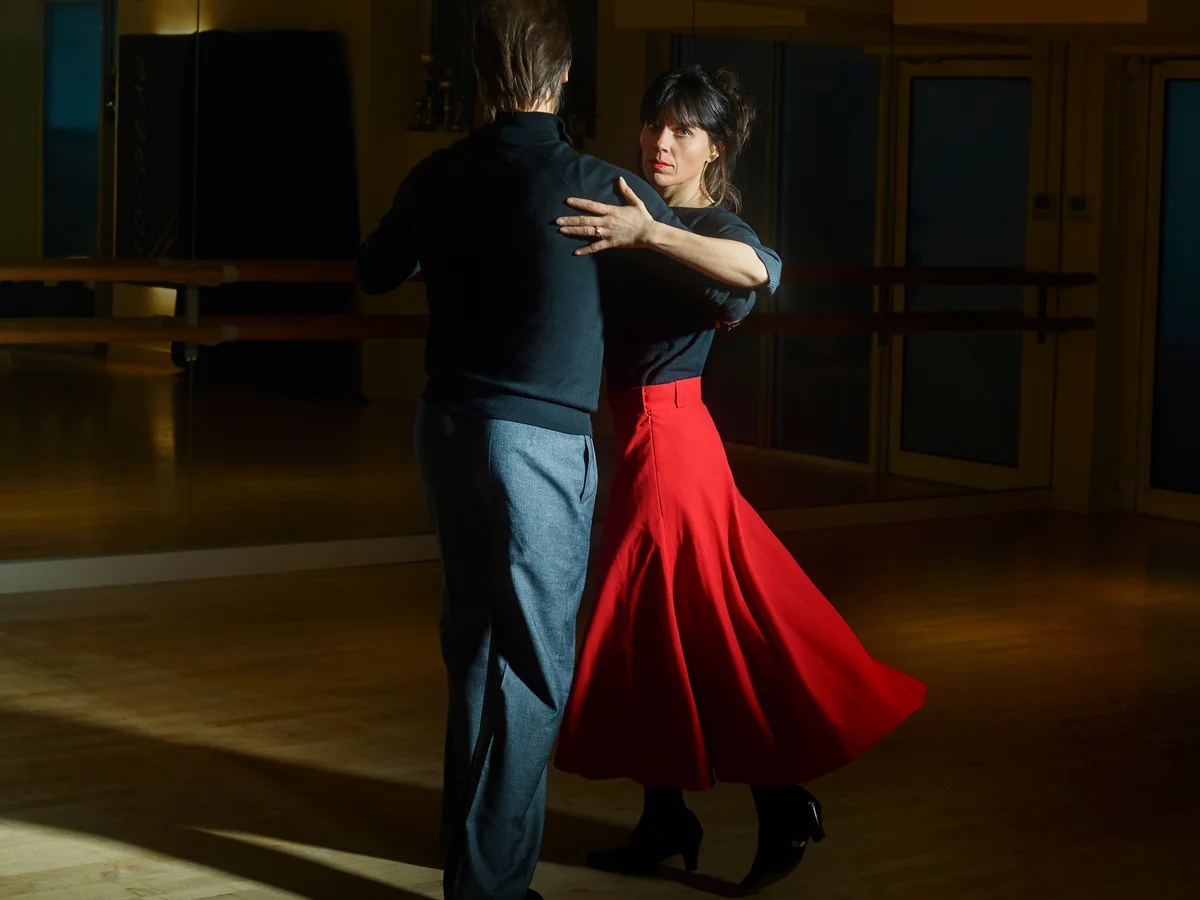
Argentine Tango Dancing is more than a partner activity set to music. Argentine Tango Dancing is a practice that engages the body and mind at the same time, creating benefits that go beyond simple movement. Many people begin learning tango for enjoyment or curiosity, but they often continue because of the positive changes they notice in posture, balance, focus, and emotional well being.
Unlike repetitive exercise routines, tango requires awareness, coordination, and connection. Each step involves communication between partners, attention to rhythm, and careful control of body movement. Over time, this combination leads to noticeable improvements in both physical fitness and mental clarity. The benefits of Argentine tango are experienced gradually as dancers build consistency and confidence on the dance floor.
Learning environments such as Argentina tango help students experience these benefits through guided practice that focuses on technique and musical understanding.
How Tango Improves Physical Fitness
Tango fitness develops naturally because the dance is built around walking, turning, pivoting, and maintaining balance in close coordination with a partner. These movements strengthen leg muscles, improve joint flexibility, and enhance core stability. Unlike high impact workouts, tango places minimal stress on joints while still encouraging continuous motion.
Dancers quickly notice improvements in posture. The upright stance required for connection trains the back and abdominal muscles to support the body properly. This posture carries into everyday life, reducing strain and improving alignment.
- Stronger legs and improved balance from controlled walking and pivots
- Better posture and core strength through upright connected movement
Between practice sessions, dancers often realize that their stamina has increased without feeling like they have completed a traditional workout.
Coordination and Body Awareness
Tango requires precise coordination between upper and lower body movements. Leaders must guide direction while followers respond smoothly, creating synchronized motion. This process improves proprioception, which is the body’s awareness of position and movement.
As coordination improves, everyday activities such as walking, turning, and maintaining balance become easier and more controlled.
Mental Focus and Concentration
The mental aspect of tango is just as important as the physical one. Dancers must stay fully present to interpret music, respond to their partner, and navigate the dance floor safely. This constant attention strengthens concentration and reduces mental distractions.
Many students who attend tango dance classes report that dancing helps them clear their minds after long workdays because it requires complete focus on the present moment.
Emotional Well Being and Stress Relief
Tango mental health benefits come from the combination of music, movement, and social connection. The dance creates a space where participants can express emotion without words. Music guides the mood, while the embrace fosters a sense of calm and trust.
This experience often reduces stress and promotes relaxation. The repetitive walking patterns combined with rhythmic breathing have a soothing effect that helps release tension.
Social Interaction and Confidence
Tango is a social dance that encourages respectful interaction between partners. Over time, dancers become more confident in communicating through movement and posture. This confidence often transfers into daily life, improving social comfort and self expression.
Practicing with different partners also improves adaptability and communication skills.
Cognitive Benefits of Learning Patterns
- Remembering sequences improves memory retention
- Listening to music enhances auditory processing
- Navigating the floor sharpens spatial awareness
- Adjusting to partners builds quick decision making
These cognitive improvements happen naturally as part of regular practice.
Flexibility and Joint Mobility
Tango movements involve gentle pivots, weight shifts, and controlled steps that promote joint mobility. Ankles, knees, and hips become more flexible with consistent dancing. This flexibility reduces stiffness and improves overall range of motion.
Mind Body Connection
Tango encourages a strong connection between mental intention and physical action. Each movement begins with a decision that is communicated through posture and subtle signals. This awareness strengthens the link between mind and body, improving overall coordination.
Dancers who take private tango lessons often deepen this awareness through focused guidance and feedback.
Long Term Health Advantages
Over time, regular tango practice contributes to better cardiovascular health, improved balance, and reduced risk of falls. The low impact nature of the dance makes it suitable for various age groups while still offering meaningful physical engagement.
Mentally, the consistent need to focus, adapt, and interpret music keeps the mind active and alert.
Building Routine Through Enjoyment
Unlike structured workouts that can feel repetitive, tango remains engaging because every dance is different. Music changes, partners change, and movement evolves. This variety encourages consistency because the activity feels enjoyable rather than forced.
Conclusion
The benefits of Argentine tango extend far beyond learning dance steps. Through tango fitness, improved coordination, and enhanced focus, dancers experience meaningful physical changes. At the same time, tango mental health benefits emerge from music, connection, and mindful movement. With regular practice, tango becomes a balanced activity that supports both body and mind in a natural and enjoyable way.
FAQs
Is tango a good form of exercise?
Yes. It improves balance, posture, and stamina without high impact strain.
How does tango help mental health?
It promotes focus, reduces stress, and encourages emotional expression.
Can beginners experience these benefits?
Yes. Improvements begin with consistent basic practice.
Does tango improve coordination?
Yes. Partnered movement develops body awareness and control.
How often should I practice to see results?
Practicing a few times a week helps build noticeable physical and mental improvements.


Comments are closed