


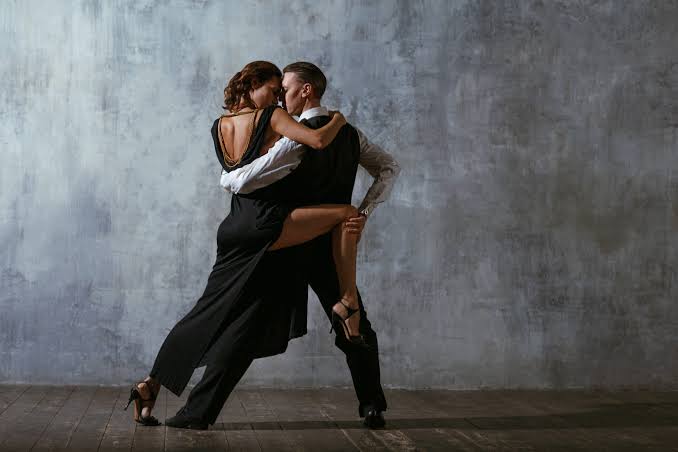
Learning about Tango Dance is often the first step for anyone interested in social dancing, cultural traditions, or developing a new skill. Tango Dance has captivated people around the world with its expressive movements, close partner connection, and rich cultural heritage. While many people recognize its dramatic appearance, fewer understand where it began, how it evolved, and what makes it different from other partner dances.
Whether you have watched a live performance or are considering joining beginner dance lessons, understanding the foundations can make the learning experience more enjoyable. This guide explains the origins of tango, its defining characteristics, the importance of music, and what beginners can expect when taking their first class.
What Is Tango?
Many beginners ask, what is tango and why it continues to attract dancers across generations.
At Tango Canada Academy, students discover that tango is a partner dance that originated in the late nineteenth century along the border regions of Argentina and Uruguay, particularly in Buenos Aires and Montevideo. Rooted in the blending of European, African, and South American cultural influences, tango has evolved into a dance that emphasizes emotion, communication, musicality, and the unique connection between dance partners.
Unlike many ballroom dances that emphasize fixed routines, tango encourages partners to move together through lead and follow techniques. Each dance becomes a unique conversation between two people, guided by rhythm, balance, and connection rather than memorized choreography.
For anyone looking to define tango, it can be described as a social and performance dance built on improvisation, musicality, posture, and partner awareness.
The History Behind Tango
Understanding the history helps explain why tango remains one of the world’s most respected partner dances.
During the late 1800s, immigrants from Europe arrived in Argentina, bringing their own musical traditions and dance styles. These blended with local folk dances and African rhythms in working class neighbourhoods. Over time, these influences shaped the early form of tango.
Initially, tango was associated with local communities rather than formal dance halls. As its popularity grew, it spread throughout Buenos Aires before eventually reaching Europe in the early twentieth century. Paris embraced tango, helping introduce it to audiences around the world.
Today, tango is recognized internationally as an important cultural tradition and continues to evolve while preserving its historical roots.
How to Define Tango Beyond the Steps
Although many people simply associate tango with dramatic movements, that description barely captures its true character.
To define tango properly, it is important to understand that it combines several essential elements:
A close partnership based on communication rather than spoken words.
Improvisation that allows dancers to respond naturally to each piece of music.
Musical interpretation where movements reflect changes in rhythm, melody, and emotion.
These qualities make every dance unique, even when performed by experienced partners dancing to the same song.
Characteristics That Make Tango Unique
Tango stands apart from many other partner dances because of its emphasis on connection rather than flashy movements.
The leader guides direction while the follower interprets subtle body signals. Successful dancing depends on trust, posture, timing, and awareness instead of physical strength.
Some of the defining characteristics include:
Upright posture with controlled movements.
Smooth walking patterns that form the foundation of most figures.
Close partner connection that allows comfortable communication.
Improvised movement instead of fixed routines.
Strong attention to musical phrasing.
These qualities make tango equally rewarding for both beginners and experienced dancers.
Understanding the Tango Music Style
One of the most fascinating aspects of learning tango is discovering the tango music style that guides every movement.
Traditional tango music features distinctive rhythms and emotional melodies. Instruments commonly found in tango orchestras include:
Bandoneon
Piano
Violin
Double bass
The bandoneon, a type of concertina, produces the expressive sound that many people immediately associate with tango.
The tango music style often shifts between slow, dramatic passages and energetic rhythmic sections. Rather than counting every step mechanically, dancers learn to interpret these musical changes naturally.
Listening carefully becomes just as important as learning footwork.
Different Styles of Tango
Although many people think there is only one version of tango, several styles have developed over the years.
Argentine Tango
This is the original social dance from Argentina. It emphasizes improvisation, musical interpretation, and comfortable partner connection.
Ballroom Tango
Ballroom tango follows a more structured syllabus commonly taught in competitive dance programs. Its movements are sharper and more theatrical than Argentine tango.
Stage Tango
Designed for performances, stage tango often includes dramatic lifts, fast spins, and advanced choreography intended for audiences.
Each style shares common roots while offering different learning experiences.
What Beginners Learn During Their First Classes
Many newcomers worry they need dance experience before starting.
In reality, beginner classes focus on building confidence through simple fundamentals rather than difficult routines.
Students usually begin by learning:
Proper posture and body alignment.
Basic walking technique.
Lead and follow communication.
Partner connection.
Simple turns and direction changes.
Musical awareness.
Dance floor etiquette.
These foundational skills provide a strong base for more advanced movements later.
Common Misconceptions About Tango
Several myths discourage people from trying tango for the first time.
You Need Previous Dance Experience
No prior experience is necessary. Most beginner classes are designed specifically for first time dancers.
It Is Only for Couples
Many dance schools rotate partners throughout lessons, allowing individuals to join without bringing someone with them.
It Is Too Difficult to Learn
Like any skill, tango develops through practice. Beginners progress by mastering simple movements before advancing to more complex combinations.
Only Young People Can Learn
People of many different ages successfully begin learning tango each year. Good instruction focuses on comfort, balance, and gradual improvement.
Benefits of Learning Tango
Beyond learning dance steps, tango offers several physical and mental advantages.
Improves balance and coordination
Regular practice develops body awareness, posture, and controlled movement, helping participants move with greater confidence both on and off the dance floor.Builds social confidence
Tango dancing classes encourage communication, respect, and teamwork as partners learn to move together with confidence and trust. Many beginners become more comfortable meeting new people through shared learning experiences, making each class an opportunity to build both dancing skills and meaningful social connections.Enhances musical awareness
Learning to recognize rhythm, tempo, and phrasing helps dancers connect more naturally with different styles of music while improving timing and coordination.
The Importance of Partner Connection
Connection is often considered the heart of tango.
Unlike many choreographed dances, partners continuously communicate through posture, weight changes, and subtle body movements.
The leader suggests direction, while the follower responds naturally. Neither person dominates the dance. Instead, both contribute equally to creating smooth, comfortable movement across the floor.
This shared communication explains why tango often appears effortless when performed by experienced dancers.
Why Musicality Matters
Understanding music is just as valuable as learning footwork.
Instead of memorizing steps, dancers learn to listen carefully to changing rhythms, pauses, and melodies. Different orchestras produce different emotional interpretations, allowing every dance to feel unique.
As students become more comfortable, they begin expressing the music rather than simply following counts.
This musical relationship is one reason tango continues to inspire dancers worldwide.
Tips for Getting Started
Beginning your tango journey does not require expensive equipment or previous experience.
Choose comfortable clothing that allows free movement and wear shoes with supportive soles that glide easily across the floor.
Attend beginner classes regularly and focus on mastering walking before attempting advanced figures. Practising posture, balance, and rhythm between lessons also helps build confidence more quickly.
Most importantly, be patient. Every experienced dancer once started with the same basic steps.
Conclusion
Tango continues to be one of the world’s most respected partner dances and is widely recognized as a classic Argentine dance style that blends history, music, communication, and movement into a unique cultural experience. Understanding what is tango, its origins, and its musical foundations helps beginners appreciate that learning involves far more than memorizing dance patterns.
As students develop confidence, they discover that tango is built on connection, listening, and shared movement. Whether your goal is social dancing, cultural appreciation, or developing a new hobby, learning the fundamentals provides a rewarding introduction to one of the world’s most enduring dance traditions.
Frequently Asked Questions
What is tango?
Tango is a partner dance that originated in Argentina and Uruguay. It combines improvisation, musical interpretation, and close partner communication to create expressive social dancing.
How would you define tango?
To define tango, it is a partner dance focused on connection, rhythm, posture, and improvisation rather than fixed choreography.
Is tango difficult for beginners?
No. Beginner classes teach basic walking, posture, partner communication, and musical awareness before introducing more advanced movements.
What makes the tango music style unique?
The tango music style combines expressive melodies, distinctive rhythms, and instruments such as the bandoneon, creating music that encourages emotional interpretation.
Do I need a partner to start learning tango?
Not necessarily. Many beginner classes welcome individual students and rotate partners during lessons so everyone has an opportunity to practise.


Comments are closed