

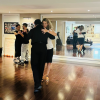
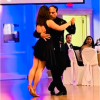
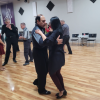
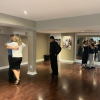

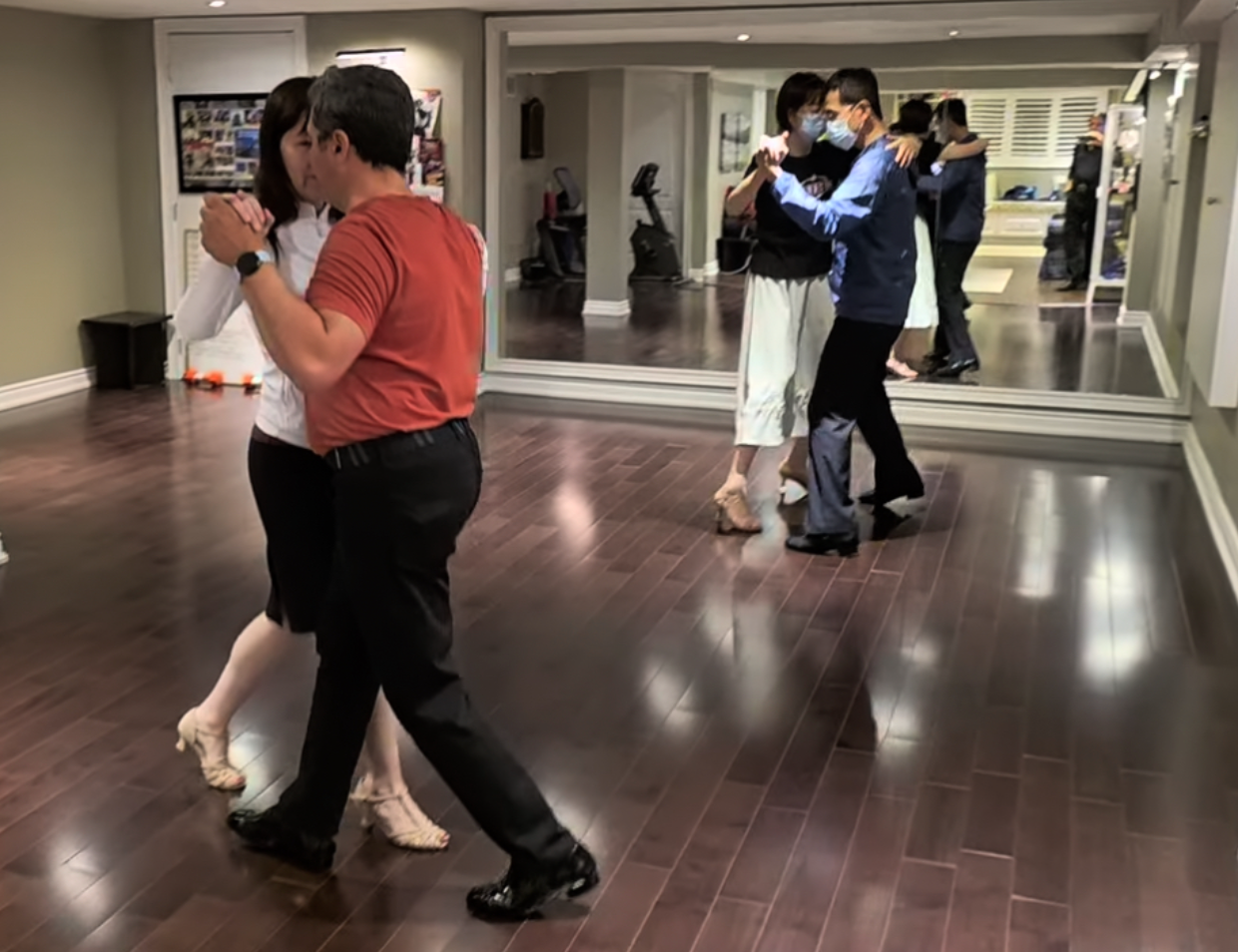
Your first Argentine tango class should feel exciting, not stressful. Many beginners still worry about whether they need formal clothing, high heels, or specialized dance shoes before taking a single step. The reassuring answer is that a good first Argentine tango class outfit should help you move comfortably, stay balanced, and focus on learning rather than appearance.
At Tango Canada Academy, we encourage beginners to choose practical clothing and secure footwear for their first lesson. Argentine tango is built around walking, weight transfers, pivots, pauses, and partner connection, so what you wear can affect comfort and confidence. This guide explains how to build a first Argentine tango class outfit for any season in Toronto, what footwear works, what clothing to avoid, and which etiquette details help everyone enjoy the class.
You do not need to look like a performer on day one. Your first Argentine tango class outfit only needs to support free movement, predictable footing, and respectful partner practice. Once you understand those priorities, getting ready becomes simple, affordable, and far less intimidating.
Why Your First Tango Outfit Matters
A first Argentine tango class outfit matters because clothing and footwear influence how easily you can move. Tango students repeatedly transfer their weight from one foot to the other, stop with control, and rotate during introductory pivot exercises. Clothing that pinches, rides up, drags on the floor, or restricts the knees can distract you from those fundamentals. Shoes that are loose, unstable, excessively sticky, or extremely slippery can make basic movement feel harder than it needs to be.
The right first Argentine tango class outfit also supports confidence. Beginners already have plenty to process, including posture, rhythm, and partner communication. When clothes stay in place and shoes feel secure, you can direct more attention toward the instructor. The goal is to remove preventable distractions so your first experience feels comfortable and positive.
Dress For Movement Rather Than Performance
Choose pieces that let you take forward, backward, and side steps without resistance. Before leaving home, test your first Argentine tango class outfit by walking, bending your knees slightly, raising each heel, and turning gently. If you have to pull, tighten, or readjust anything repeatedly, choose a more dependable option.
The Best Clothing For A First Argentine Tango Class
For most beginners, breathable everyday clothing works well. A fitted or semi-fitted top with comfortable trousers, stretch pants, a flexible skirt, or a simple dress can all be appropriate. Your first Argentine tango class outfit should allow the instructor to see enough of your posture and leg alignment to offer useful feedback, but it does not need to be tight. Select fabrics that move with you and feel comfortable during a full lesson.
Toronto studios can feel warm once everyone begins moving, even when it is cold outside. Light layers let you arrive in a sweater or jacket and dance in a breathable shirt underneath. Keep accessories simple so nothing swings into your partner, catches on clothing, or distracts you during practice.
Clothing Ideas For Women
Women can wear stretch trousers, leggings with a longer top, a knee-length or midi skirt, or a comfortable dress that allows an unrestricted stride. If your first Argentine tango class outfit includes a skirt, make sure it does not wrap tightly around the knees and is not so long that your heel can catch the hem. Secure tops are helpful because tango includes close partner positioning and repeated upper-body rotation.
Clothing Ideas For Men
Men can choose lightweight trousers, chinos with some stretch, or comfortable dress pants paired with a breathable shirt or polo. Avoid very stiff denim if it limits your stride. A good first Argentine tango class outfit should let you stand tall, rotate through the torso, and take controlled steps without pulling at the waist, knees, or shoulders.
Choosing Shoes For Your First Class
Footwear is the most important part of a first Argentine tango class outfit because tango depends on balance and controlled rotation. You do not need professional tango shoes for an introductory lesson. A clean pair of shoes with a secure fit, a low and stable heel, and a reasonably smooth sole is often enough. The shoe should stay attached to your foot when you walk backward, lift your heel, and make a small pivot.
Avoid arriving in shoes you have never worn before. New footwear can pinch or create blisters before the lesson is over. Test the shoes at home and bring a backup pair when possible. Your first Argentine tango class outfit will feel more reliable when the footwear is comfortable for a full lesson.
Finding The Right Amount Of Traction
A thick running shoe with deep rubber tread may grip a studio floor too strongly, making a pivot feel blocked. A polished fashion sole may be so slippery that you cannot control your balance. The best first Argentine tango class outfit includes footwear with predictable traction, meaning you can stand securely and rotate gently without forcing the knee or sliding unexpectedly.
Choosing A Safe Heel Height
Heels are optional, not a requirement. Beginners who regularly wear heels may choose a low or moderate, stable heel with an ankle strap or secure back. Those who are not comfortable in heels should start with flats or low heels. Your first Argentine tango class outfit should reflect the footwear you can control, not an image of what a tango dancer is supposed to wear.
Shoes And Clothing To Avoid
Athletic shoes designed for outdoor running are often too bulky or grippy for introductory pivots. Backless sandals, flip-flops, loose slip-ons, heavy boots, and unstable platform shoes can also make weight transfer less predictable. Very high or narrow heels are not a sensible part of a first Argentine tango class outfit unless you already have excellent control in that exact pair. Even then, a more stable option may help you concentrate on new technique.
For clothing, avoid anything that restricts your stride or requires constant adjustment. Very long skirts, trouser hems that cover the heel, pencil skirts, rigid jeans, and oversized sleeves can interfere with movement. Large buckles, dangling jewellery, and sharp accessories can also feel uncomfortable during partner work.
Dressing For Toronto Weather
Toronto weather creates an important practical rule: bring separate indoor shoes. Rain, snow, road salt, and grit can make outdoor soles wet or dirty, which may damage a dance floor and create unpredictable traction. Pack your dance shoes in a small bag and change after arriving. This habit keeps your first Argentine tango class outfit clean and helps protect the shared learning space.
During winter, wear warm outer layers for travel but keep the dance clothing breathable. In summer, choose moisture-friendly fabrics and bring a light layer for air conditioning. A spare shirt is useful if you are travelling directly from work or attending a longer practice session.
Personal Grooming And Partner Etiquette
Argentine tango is a partner dance, so personal comfort affects more than one person. Arrive in clean clothing, use deodorant, and keep breath fresh. Fragrance should be light because some classmates may be sensitive to strong scents. If you tend to perspire, pack a small towel or spare top. These details are part of a thoughtful first Argentine tango class outfit and help create a respectful environment.
Long hair should be secured so it does not repeatedly brush a partner’s face during turns. Rings with sharp edges, long necklaces, large earrings, and bracelets that catch fabric are better left at home. Keep phones and keys out of your pockets when they create hard pressure points during close practice. Tango etiquette is not about perfection or formality. It is about making choices that allow both partners to feel safe and comfortable.
Your First Class Packing Checklist
Preparing the night before can reduce anxiety and rushed decisions. Lay out your first Argentine tango class outfit, check the shoes, and confirm everything feels comfortable. Arriving early gives you time to change shoes and settle in before the lesson begins.
The list below is intentionally practical. You will not need every item for every lesson, but it can help you build a dependable routine. A well-prepared first Argentine tango class outfit does not have to be expensive or specialized. It simply needs to help you learn without unnecessary discomfort.
- Clean indoor dance shoes with a secure fit
- A comfortable, breathable top
- Trousers, a skirt, or a dress that allows a full stride
- A light layer you can remove
- Water in a secure bottle
- Deodorant or a small personal care kit
- A spare shirt if you expect to perspire
- Blister patches for unfamiliar shoes
- Hair ties or clips if needed
- A second pair of shoes as a backup
How Your Outfit May Change As You Progress
After several classes, you will understand what your body and feet prefer. You may choose a flexible dance shoe, a different heel height, or clothing with more movement and personality. Your first Argentine tango class outfit is a starting point, not a permanent uniform.
Resist the pressure to buy costly shoes immediately. Attend several classes, observe different footwear, and ask an instructor what suits the floor and your technique. Private Lessons can also help identify whether discomfort comes from footwear, alignment, or movement habits. The best upgrade is one based on experience rather than appearance, especially when your first Argentine tango class outfit already allows safe, comfortable learning.
Canadian Footwear Guidance For Added Safety
The Government of Canada’s Protect Your Feet! guidance recommends choosing shoes that match the shape and size of the foot rather than models that are too narrow or too wide. Although the page is written for occupational safety, its fit advice supports the same practical principle used when selecting a first Argentine tango class outfit: footwear should not pinch, crowd the toes, or create preventable discomfort.
The Public Health Agency of Canada’s You CAN Prevent Falls! resource also emphasizes comfortable, supportive footwear. Tango students need different sole behaviour than someone walking outdoors, so this is not a tango-shoe prescription. Still, it reinforces why a first Argentine tango class outfit should include secure, stable shoes rather than loose or poorly fitting footwear.
Matching Your Outfit To Your Learning Path
Your clothing requirements remain simple whether you begin with Argentine Tango Classes or add Workshops And Guided Practicas. Group instruction benefits from clean indoor footwear and clothing that lets instructors observe movement. Guided practice may last longer than a regular class, so breathable layers, water, and a spare shirt become even more useful. A dependable first Argentine tango class outfit can support both settings without requiring separate wardrobes.
Private Lessons can provide detailed advice about shoes, posture, and alignment because the instructor can observe individual movement closely. Dancers who later pursue Tango Competition Training may need specialized performance clothing and footwear. Tango Canada Academy offers classes from beginner through advanced levels, private instruction, guided practicas, workshops, and competitive coaching.
Why Choose Tango Canada Academy
Tango Canada Academy helps beginners start with clear guidance rather than assumptions. Our instructors focus on posture, walking, balance, connection, and musical understanding, so students learn why footwear and clothing choices matter in practice. We want every first Argentine tango class outfit to support comfortable movement, but we never expect newcomers to purchase expensive gear before discovering whether tango fits their goals.
Our learning pathway includes Argentine Tango Classes for structured progress, Private Lessons for personal feedback, Workshops And Guided Practicas for repetition, and Tango Competition Training for advanced goals. You can begin with everyday clothing and practical shoes, then make informed upgrades as your technique develops.
Step Into Your First Class With Confidence
The best first Argentine tango class outfit is comfortable, secure, breathable, and simple. Choose clothing that permits a full stride, shoes that stay attached and allow controlled turning, and accessories that will not interfere with a partner. Bring indoor footwear for Toronto weather and carry a backup option when uncertain.
Tango Canada Academy welcomes beginners who are ready to take that first step. Join our Argentine Tango Classes for a structured introduction, build confidence through Workshops And Guided Practicas, or book Private Lessons for personalized guidance. Arrive in a practical first Argentine tango class outfit, bring an open mind, and let our instructors help you begin your tango journey with comfort and clarity.
Frequently Asked Questions
Your first lesson does not require formal dancewear or professional footwear. The most useful choices are usually already in your wardrobe: breathable clothing, flexible bottoms, and clean shoes with a secure fit. The answers below address the details beginners most often ask about when planning a first Argentine tango class outfit.
Remember that comfort is personal. A shoe or garment that works for one student may not work for another. Test everything before class, carry a backup when possible, and ask your instructor for guidance if your first Argentine tango class outfit makes walking, turning, or maintaining balance difficult.
1. Do I Need Special Shoes For My First Argentine Tango Class Outfit?
No. Clean, secure shoes with a stable heel and controlled traction are usually enough for a first lesson. Avoid footwear that slips off, grips the floor excessively, or causes discomfort during a gentle pivot.
2. Can Sneakers Be Part Of A First Argentine Tango Class Outfit?
Dance Shoes are always the first choice. Light dance sneakers or smooth-soled casual shoes may work, but thick running shoes with deep rubber tread can make turning difficult. Test your first Argentine tango class outfit on a clean indoor floor before class.
3. Are High Heels Required For A First Argentine Tango Class Outfit?
High heels are not required. Flats, low heels, or moderate stable heels are all acceptable when they fit securely. Choose the option you can balance and walk in comfortably.
4. Can I Wear Jeans As My First Argentine Tango Class Outfit?
Yes, provided the jeans allow a comfortable stride and knee movement. Jeans do limit the leg movements and be avoided if possible. Stretch denim is usually easier than rigid or extremely tight jeans, which may restrict walking and pivots.
5. Should My First Argentine Tango Class Outfit Be Formal?
No. A beginner class is a learning environment, not a formal milonga or performance. Neat, comfortable everyday clothing is appropriate, and practical movement should come before dramatic styling.
6. What Should I Bring With My First Argentine Tango Class Outfit During Winter?
Bring clean indoor shoes, a removable outer layer, water, and a spare shirt if needed. Change out of wet or salty outdoor footwear before entering the dance floor.
7. What Etiquette Applies To A First Argentine Tango Class Outfit?
Wear clean clothing, use fragrance lightly, secure long hair, remove accessories that may scratch or catch, and keep bulky objects out of your pockets. These choices support comfortable partner practice.


Comments are closed