



Your first milonga can feel both exciting and unfamiliar. You may already know how to walk, pause, and connect in class, but a social tango event adds new details such as invitations, tandas, floor navigation, partner changes, and shared traditions. Learning milonga etiquette before you arrive removes much of that uncertainty and helps you enjoy the evening without feeling that everyone else knows rules you somehow missed.
At Tango Canada Academy, we prepare students for more than classroom movement. We want dancers to understand how technique, awareness, and respect work together in a real social setting. This guide explains milonga etiquette in clear, practical terms, including how to dress, invite a partner, enter the floor, navigate safely, and respond comfortably when a dance does not go as planned.
What A Milonga Is And Why Etiquette Matters
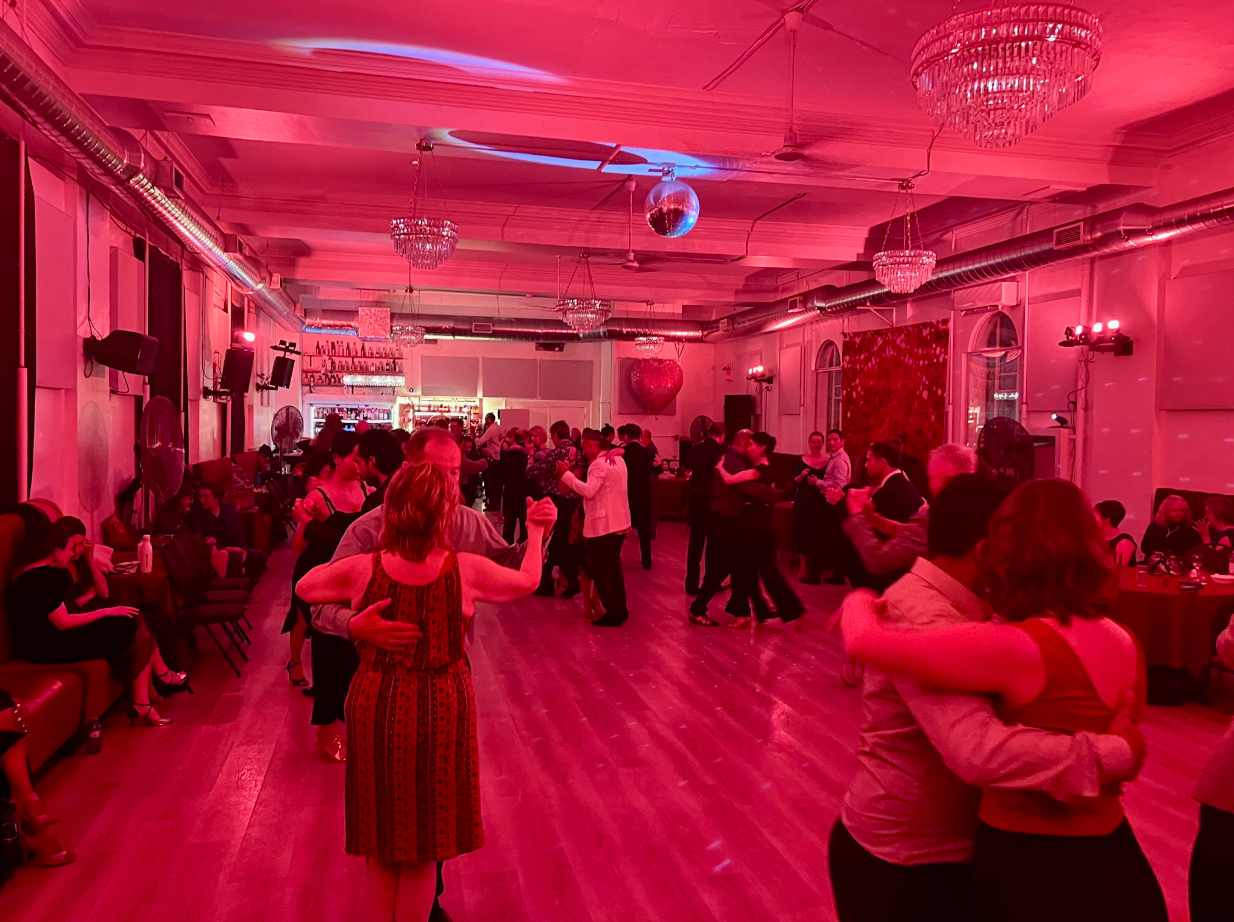
A milonga is a social event where people gather to dance Argentine tango, usually in an organized sequence of musical sets. The atmosphere may be elegant, relaxed, traditional, or modern depending on the host, but the central purpose remains the same: people share music and movement in a respectful community space. Milonga etiquette helps everyone understand how to participate without interrupting the experience of other dancers.
These customs are not meant to make beginners nervous or create an exclusive club. They provide a common structure for invitations, partner changes, floor traffic, and personal boundaries. When everyone follows basic milonga etiquette, the room becomes safer, smoother, and more welcoming. You do not need to master every tradition before attending. You only need enough awareness to observe, ask questions, and make considerate choices.
The Difference Between A Class, Practica, And Milonga
A class is primarily for instruction, while a practica is a space to repeat, discuss, and troubleshoot what you have learned. A milonga is a social event, so extended teaching, stopping in the middle of the floor, and repeated technical corrections are usually avoided. Understanding that difference is one of the most important parts of milonga etiquette because it helps you match your behaviour to the purpose of the room.
Prepare Before You Arrive
Good milonga etiquette begins before you enter the venue. Check the event details for start time, admission process, dress expectations, footwear rules, parking, and whether a beginner lesson is offered beforehand. Some events are casual, while others encourage dressier clothing. Arriving with the correct information allows you to settle in calmly instead of making rushed decisions at the door.
Wear clean, comfortable clothing that lets you move freely, and bring indoor shoes with secure support and controlled traction. Toronto rain, snow, and road salt make separate indoor footwear especially useful. Personal grooming also matters in close partner dancing. Fresh clothing, clean hands, fresh breath, and light fragrance show consideration for everyone sharing the embrace and support positive milonga etiquette.
What To Carry In Your Dance Bag
A practical dance bag can include indoor shoes, water, mints, a small towel, deodorant, blister patches, and a spare shirt. Keep the bag compact and place it where it will not block walkways or seating. Milonga etiquette is often expressed through small choices like keeping belongings organized and making the shared space easier for others to use.
Invitations And Partner Selection
Many tango communities use eye contact and a small nod, often called the mirada and cabeceo, to invite someone from a distance. This method allows both people to accept without pressure and helps reduce awkward public refusals. Practices vary by event, so observe how local dancers invite one another. Flexible milonga etiquette means respecting the host culture rather than assuming every venue follows exactly the same tradition.
A verbal invitation can also be appropriate, especially in beginner-friendly settings, but it should always leave room for a comfortable no. Ask politely, avoid cornering someone, and do not demand an explanation if they decline. A refusal may relate to rest, footwear, a promised dance, injury, music preference, or personal choice. Strong milonga etiquette treats every answer with dignity and moves on without resentment.
How To Accept Or Decline Gracefully
To accept, smile or nod clearly so there is no confusion about who was invited. To decline, a polite smile, small shake of the head, or simple “No, thank you” is enough. Avoid accepting an invitation out of guilt. Milonga etiquette works best when both partners choose the dance freely and enter it with genuine comfort.
Tandas, Cortinas, And Partner Changes
Music at many milongas is organized into tandas, which are groups of several songs with a related orchestra, period, or rhythmic character. A short non-tango musical break called a cortina often separates the tandas. Dancers commonly remain with the same partner for the full tanda, then leave the floor during the cortina. This structure creates clear beginnings and endings and is a central part of traditional milonga etiquette.
Leaving after one song may suggest discomfort or dissatisfaction, even when that was not your intention. Still, safety and personal well-being come first. You may end a dance whenever you need to. When the tanda ends normally, thank your partner and accompany them off the floor rather than walking away abruptly. Thoughtful milonga etiquette makes the transition feel complete and respectful for both people.
Conversation Between Songs
Brief, friendly conversation between songs is fine, but keep it light enough that you remain aware of the music and floor. Avoid giving unsolicited feedback, analysing every movement, or turning the pause into a lesson. Milonga etiquette encourages partners to enjoy the tanda rather than evaluate one another.
Entering The Floor And Joining The Line Of Dance
Do not step suddenly into moving traffic. Wait near the edge until a leader in the outside lane notices you and creates space, then make eye contact or acknowledge the opening before entering. This small exchange prevents collisions and shows awareness of existing couples. Safe entry is one of the most practical forms of milonga etiquette because the floor functions as a shared moving system.
Once you join, move in the general direction of the line of dance and avoid cutting across lanes. The outer lane is often the most continuous route, while inner areas may move more slowly. Do not weave repeatedly between couples to find open space. Good milonga etiquette values predictability over speed, giving nearby dancers time to understand where your partnership is going.
Leaders And Followers Share Responsibility
Leaders are primarily responsible for choosing safe directions, but followers also protect the partnership by maintaining balance, keeping free legs controlled, and avoiding movements that require space the couple does not have. Both partners can pause when conditions feel unsafe. Milonga etiquette is shared awareness, not a burden placed on only one role.
Floorcraft, Space, And Safe Movement
Social tango is not a performance floor. Large boleos, deep lunges, sweeping steps, and sudden backward movements may be beautiful in appropriate settings, but they can endanger others in a crowded room. Choose compact movements that fit the available space, maintain a safe distance from the couple ahead, and avoid overtaking unless the floor clearly allows it. This is essential milonga etiquette.
Collisions can still happen, even among careful dancers. If contact occurs, pause, check that everyone is safe, and apologize briefly. Do not argue about who was responsible while music continues. Reset calmly and continue only when it is safe. Mature milonga etiquette focuses on restoring comfort rather than defending pride.
What To Do When The Floor Stops Moving
When traffic slows, pause, mark time, or use small weight changes instead of forcing past another couple. A musical pause can be more elegant than a rushed figure. This is where technique and milonga etiquette meet, because control allows you to respond safely without losing the character of the dance.
Respect, Boundaries, And Social Comfort
Every dancer has the right to choose partners, select an embrace distance, and end a dance when necessary. Never pressure someone into a closer embrace, a second tanda, or a movement that feels uncomfortable. Ask before making significant changes to the embrace, and respond immediately when a partner requests more space. Respect for consent is not an optional extra. It is the foundation of milonga etiquette.
Avoid correcting partners during a social tanda unless they ask and the situation involves immediate safety. A milonga is not the place to diagnose another dancer’s technique or compare them with previous partners. Offer a comfortable connection, adapt to the shared level, and focus on the music. Good milonga etiquette allows people to enjoy dancing without fear of judgment or unsolicited instruction.
Handling Discomfort Or Unsafe Behaviour
You may stop at any time, step off the floor, and speak with the organizer if someone ignores boundaries or behaves unsafely. You do not owe another dance, an explanation, or continued contact. A healthy tango community supports clear boundaries and takes concerns seriously. Knowing this is part of milonga etiquette and can help beginners attend with greater confidence.
A First Milonga Checklist
Your first event does not need to be a test of everything you have learned. Choose one or two simple goals, such as navigating safely, completing one comfortable tanda, or observing how invitations work. Milonga etiquette becomes easier when you focus on awareness instead of trying to appear experienced. Arriving early can also help you see the room before the floor becomes busy.
The checklist below gives you a practical sequence for the evening. You may use all of it or adapt it to the event. The purpose is not to create rigid rules. It is to help you make respectful decisions while staying relaxed enough to enjoy the music, people, and atmosphere.
- Read the event details and venue rules before leaving home.
- Bring clean indoor shoes and comfortable clothing.
- Arrive early enough to settle in without rushing.
- Observe how invitations and partner rotation work.
- Accept and decline dances politely.
- Enter the floor only when there is a safe opening.
- Keep movements compact and follow the line of dance.
- Avoid teaching or correcting during a tanda.
- Thank your partner and leave the floor during the cortina.
- Speak with the organizer if you experience unsafe behaviour.
Build Confidence Before Your First Social Night
Consistent training makes milonga etiquette easier because technical control gives you more attention for music, navigation, and partner comfort. Argentine Tango Classes can build your posture, walking, connection, and basic floorcraft. Workshops And Guided Practicas provide a supportive place to repeat those skills, ask questions, and practise entering or leaving a moving line of dance before attending a full social event.
Private Lessons can help when you want focused support with embrace comfort, navigation, balance, or anxiety about your first milonga. Tango Competition Training serves a different goal, but performance-focused dancers also benefit from understanding social traditions and adjusting their movement to the available setting. Tango Canada Academy offers beginner through advanced classes, private coaching, guided practicas, workshops, and competitive coaching.
Movement, Culture, And Community
Social tango can contribute to an active routine through walking, balance, coordination, and sustained movement. The Government of Canada notes that physical activity can help reduce stress, increase energy, strengthen the heart and lungs, and improve balance and coordination. Read Being Physically Active For Your Health for broader guidance.
Arts Participation And Shared Community Spaces
Milongas are also cultural gatherings where music, dance, and community participation meet. Canadian Heritage describes arts and cultural expression as important parts of Canada’s cultural and civic life, and its programs support opportunities for people to participate in community arts activities. Explore the Canadian Heritage overview for more context.
Why Choose Tango Canada Academy
Tango Canada Academy prepares students for both technique and real social participation. Our teaching focuses on posture, walking, musicality, connection, and floor awareness, helping beginners understand how their movement affects a partner and the couples around them. We explain milonga etiquette as a practical expression of respect, not as a collection of intimidating rules that newcomers are expected to know automatically.
Students can begin with Argentine Tango Classes, develop confidence through Workshops And Guided Practicas, and use Private Lessons for personal feedback. Dancers pursuing performance goals can also explore Tango Competition Training and Professional Teachers Certification Coaching. This flexible pathway helps each student build the skills, judgment, and social comfort needed to enter a milonga with awareness and enjoy the experience responsibly.
Enjoy Your First Milonga With Confidence
Your first social tango night should be a beginning, not a final exam. Observe the room, invite and decline respectfully, stay with the flow of traffic, keep movements compact, and protect your partner’s comfort. Milonga etiquette becomes natural through participation, especially when you approach each event with curiosity, humility, and a willingness to learn from the host community.
Tango Canada Academy can help you prepare for that first step. Join Argentine Tango Classes to build a reliable foundation, attend Workshops And Guided Practicas to rehearse social skills, or book Private Lessons for focused guidance. With clear technique and thoughtful milonga etiquette, you can enter the floor calmly, connect respectfully, and enjoy the music from your first tanda onward.
Frequently Asked Questions
Beginners often worry that one mistake will offend the entire room. In reality, most communities understand that newcomers are learning. The best approach is to observe, keep movement safe, communicate respectfully, and ask an instructor or organizer when you are uncertain. Those habits matter more than performing every tradition perfectly.
The following answers cover common questions about invitations, tandas, partners, and floor behaviour. Because events may follow different local customs, treat this guidance as a strong foundation and remain attentive to any instructions given by the host.
1. What Is The Most Important Milonga Etiquette Rule For Beginners?
The most important rule is to protect comfort and safety. Respect invitations and refusals, maintain personal boundaries, enter the floor carefully, and move predictably with the line of dance. Most other customs support those same goals.
2. Does Milonga Etiquette Require Me To Dance With Everyone Who Asks?
No. You may accept or decline any invitation without providing a reason. A polite response is enough, and other dancers should respect your decision without pressure or repeated requests.
3. Is It Bad Milonga Etiquette To Leave After One Song?
People commonly dance a full tanda, so leaving after one song can be misunderstood. However, you may stop whenever you feel uncomfortable, unwell, or unsafe. Personal well-being always comes first.
4. Can Beginners Ask Experienced Dancers To Dance Under Milonga Etiquette?
Yes. Beginners may invite experienced dancers respectfully. Use the invitation style common at the event, accept a decline gracefully, and focus on a comfortable dance rather than proving your level.
5. Does Milonga Etiquette Allow Teaching During A Tanda?
Usually no. Unsolicited teaching can make a partner feel judged and disrupt the social purpose of the event. Save detailed questions and corrections for a class, practica, or private lesson.
6. What Does Milonga Etiquette Say About Bumping Another Couple?
Pause, make sure everyone is safe, and offer a brief apology. Avoid debating fault on the floor. Rejoin the dance carefully only when there is enough space to continue.
7. How Can I Practise Milonga Etiquette Before Attending A Social?
Attend guided practicas, practise compact movement, learn how to enter a line of dance, and rehearse respectful invitations and partner changes. An instructor can also explain customs commonly used by the local tango community.


Comments are closed