



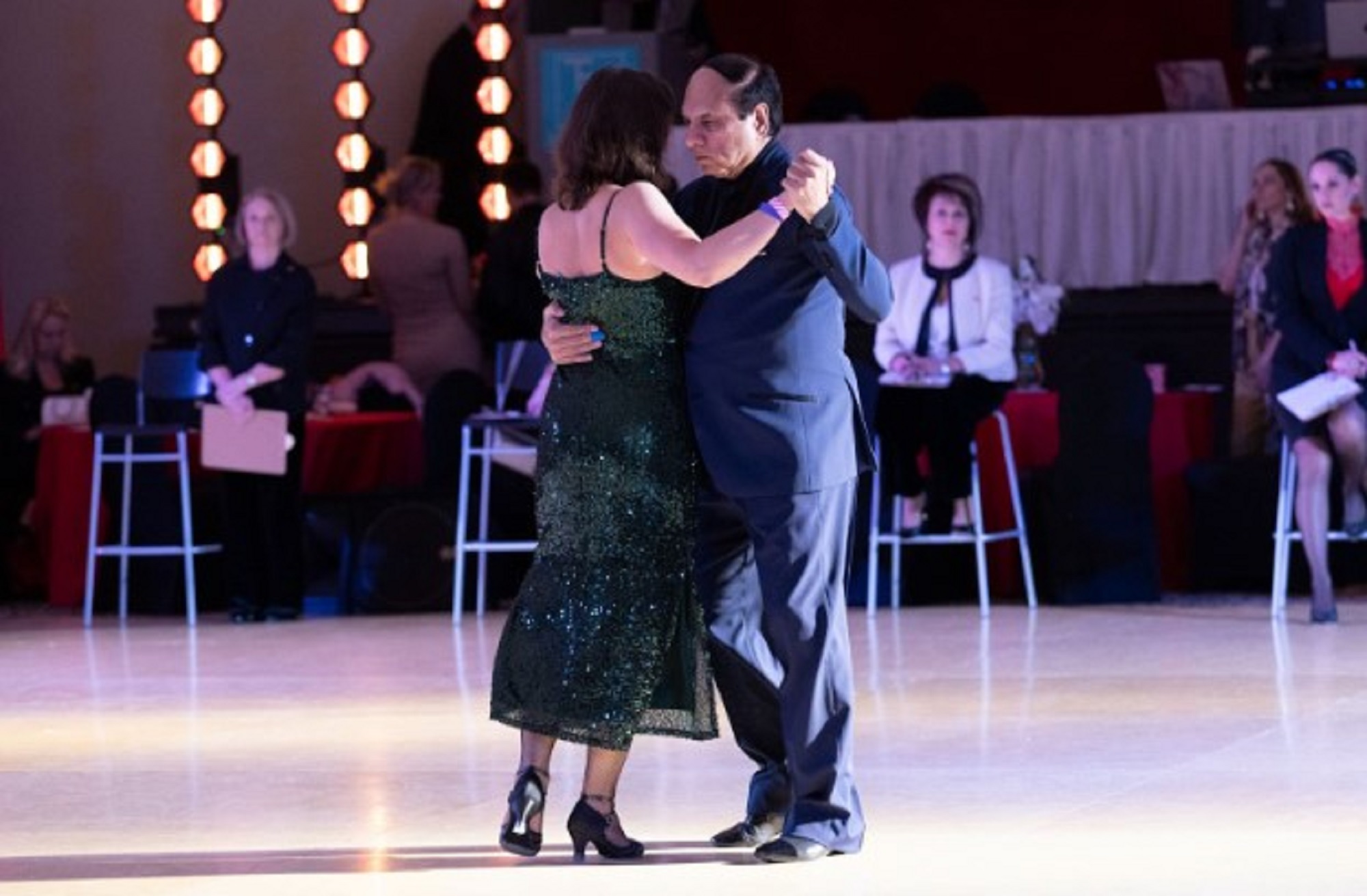
Argentine Tango draws many dancers into competition for the same reason it pulls them into social dancing: it is a rich mix of precision, creativity, and intense connection. Once you decide to step onto a stage or into a judged ronda, everything you do becomes magnified, from posture and musical phrasing to the quiet clarity of your walking. At that point, general classes are not enough on their own. You need tango competition training that focuses specifically on your partnership, your goals, and the standards used in real events.
Group classes are still important, but private coaching gives you a faster and more focused path. In a one to one environment, every minute is about your timing, lines, floorcraft, and expression. For dancers who want to move from a pleasant social couple to credible competitors, private lessons turn tango competition training into a structured plan instead of a vague wish. In this guide, written on behalf of Tango Canada Academy, we will explore how private coaching works, why it matters, and how to build a training plan that supports serious competitive ambitions without losing the joy of the dance.
Understanding Tango Competition Training
Tango competition training is more than practicing figures at a higher speed. It is a complete approach that prepares your body, your partnership, and your mind for the pressures of an audience, judges, and bright lights. Instead of simply repeating what you do at milongas, you refine technique, musicality, and presentation so that your dancing reads clearly from the first row to the last.
In many competitions, judges watch for posture, connection, interpretation of the music, creativity within the style, and how well you navigate the floor. Tango competition training gives you space to work on each of these layers. Private coaching is especially useful here because an experienced teacher can see where your strengths already lie and where you are losing points without realizing it.
Technical Foundations In Competitive Contexts
Even advanced dancers sometimes discover that their basic technique needs revisiting once they enter tango competition training. Tiny issues with balance, frame, or alignment might be manageable in a casual social tanda but become obvious under the sharper eye of a judging panel. Private coaching allows you to strip your dancing back to walking, pivots, and simple turns, then rebuild everything with greater precision.
Working one to one, your coach can adjust small details in your tango competition training such as how your weight lands through the feet, how your chest communicates direction, or how your embrace supports rotation without collapsing. These refinements are hard to catch in a crowded class but become clear when all attention is on your partnership. Over time, this technical clarity shows up as cleaner lines, smoother transitions, and fewer errors when it matters most.
Artistic Expression And Competitive Storytelling
Competitions are not only about clean technique. Judges also want to see artistry and emotional truth. Effective tango competition training includes work on musical interpretation, phrasing, and the story you tell as a couple. In private coaching, your instructor can watch an entire song and help you decide where to build tension, where to rest, and how to highlight your unique style.
This artistic focus within tango competition training is difficult to achieve solely in drop in group classes. You need repeated feedback on the same choreographies or improvisation strategies, along with guidance on facial expression, projection, and use of space. When you develop these elements deliberately, your performances become memorable for more than just difficult figures.
Why Private Coaching Accelerates Progress
It is possible to improve through group classes and self practice alone, but private sessions compress time. With one teacher watching only you, every correction is tailored to your body, your habits, and your goals. For dancers serious about tango competition training, this precision means that one hour of coaching can sometimes replace many hours of trial and error.
Private lessons also give you a safe space to fail, experiment, and ask detailed questions that may not fit into a regular group format. You are not competing for the teacher’s attention or trying to apply generic advice. Instead, tango competition training becomes a dialogue: you bring your challenges and aspirations, and the coach brings targeted solutions, drills, and strategy.
Focused Feedback On Your Partnership
Every dancing couple has a unique mix of strengths and weaknesses. Some have strong technique but weak communication. Others feel emotionally expressive but struggle with timing or navigation. Tango competition training in a private setting makes these patterns visible much more quickly. The coach can watch you dance, pinpoint the exact moment where something breaks down, and then give specific tasks to repair it.
This level of focus is particularly important for partnership issues that are hard to discuss in large groups, such as differing practice habits, mismatched expectations, or communication under stress. When you address these topics honestly in the context of tango competition training, your partnership becomes stronger not only on stage but also in rehearsals and social dancing.
Customized Training Plans For Each Season
Another key advantage of private coaching is the ability to design a complete tango competition training plan for a season or even a full year. Instead of practicing randomly, you map out which events you want to attend, what categories you will dance in, and what skills must be ready by each deadline. Your coach can then break this down into monthly and weekly goals.
Within this structure, Principal Coach and Director at Tango Canada Academy, who is also a Professional Showdance Champion at Canadian Open Showdance Championships supports your tango competition training focus from fundamentals early in the season to stamina and polish closer to the event.
Knowing that you have a structured roadmap reduces stress and helps you evaluate progress realistically. You can see how each practice contributes to a bigger picture instead of wondering if you are doing enough.
Key Advantages Of One To One Tango Competition Training
While the core benefits of private coaching are clear, it is helpful to list the specific advantages that dancers often notice after a few months of focused work. Many of these changes are subtle at first, then suddenly obvious when you watch old videos or receive feedback from judges.
Private sessions turn tango competition training into a highly efficient system. Rather than spending energy on material you already know, you target your weakest skills and refine your strongest ones. This keeps your motivation high and reduces the risk of burnout, because you can feel concrete results in your body and in your scores.
Some of the most important advantages of one to one tango competition training include:
- Rapid identification and correction of technical errors
- Stronger connection and communication within the partnership
- More convincing musical interpretation and dynamics
- Better floorcraft suited to competitive settings
- Increased stamina and consistency from start to finish of a round
These outcomes do not appear overnight, but they accumulate steadily when tango competition training is paired with consistent practice and clear goals.
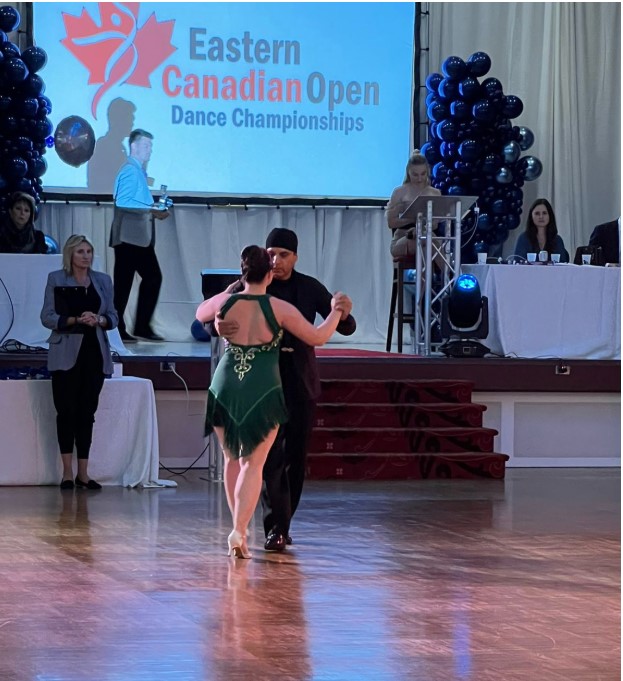
Mental Preparation And Performance Readiness
Technical skill alone is not enough on competition day. Many dancers discover that their biggest obstacle is not a difficult move, but their own nerves. A big part of tango competition training is therefore mental preparation. Private coaching gives you a confidential space to talk about fear of mistakes, judgment, or comparison with other couples, and to build strategies for handling those feelings.
Performance mindset work covers everything from pre- event routines to how you recover after a shaky moment mid-song. When mental strategies are integrated directly into your tango competition training, they become habits instead of last minute additions. Over time, you learn to treat competition as a focused extension of what you already do in practice, which keeps anxiety at workable levels.
Working With Nerves Under Pressure
Everyone feels nervous before stepping onto a competition floor. Private coaches can help you reframe those sensations as energy rather than danger. Through targeted tango competition training exercises, such as simulating rounds in front of small audiences or recording full runs, you learn how your body reacts under stress and how to manage it.
You might practice breathing patterns, visualization, or cue phrases that bring you back to connection with your partner. Because this mental work is woven into your tango competition training over many sessions, it feels natural when the real event arrives. Instead of being surprised by nerves, you recognize familiar sensations and apply tools you have already tested in rehearsal.
Building A Resilient Competitive Mindset
Competition seasons always include setbacks: results you did not expect, mistakes in performance, or days when training feels flat. Resilience is therefore a crucial goal of tango competition training. Private coaching allows you and your partner to process disappointments constructively, analyze what happened, and adjust your plan without falling into blame.
A resilient mindset focuses on long term growth rather than single results. Together with your coach, you use tango competition training sessions to celebrate progress, name specific improvements, and set realistic next steps. This balanced approach keeps enjoyment alive and reduces the risk that one bad night will derail months of work.
support for dance projects and professional development. Its programs help artists access time, space, and resources to deepen their craft.
Connecting Competitive Goals With Broader Arts Support
When you think about your own tango competition training, it can be useful to see it as part of this larger arts landscape. Studios, events, and workshops sometimes draw on federal or provincial resources to offer residencies, performance opportunities, or advanced coaching programs. As a competitive dancer, you benefit from these structures through better events, stronger communities, and more chances to grow.
If you are deeply involved in tango competition training, you may eventually collaborate on projects that fit regional or national funding priorities, such as community engagement or cross cultural exchange. Understanding this context helps you appreciate how your hard work in the studio connects to a wider story about dance and culture in Canada.
Why Choose Tango Canada Academy
Finding the right environment for tango competition training is just as important as finding the right coach. Tango Canada Academy is committed to supporting dancers at every stage, from early exploration of performance to preparation for high level events. The focus is always on combining strong fundamentals with authentic connection and musical depth so that competitive results grow out of real tango rather than quick tricks.
In private sessions, your coach will look at the full picture of your dancing: technique, partnership, musicality, mental approach, and long term goals. Instead of offering one size fits all corrections, they adapt tango competition training to your learning style and your current season. This approach helps you progress steadily without sacrificing your health or your love for the dance.
Coaching Philosophy Focused On Growth
The coaching philosophy at Tango Canada Academy is built around curiosity, respect, and clear communication. Dancers are encouraged to ask questions, share their fears, and take ownership of their tango competition training. Coaches provide honest feedback, but they do so in a way that supports confidence rather than undermining it.
Within this philosophy, success is measured not only by medals but also by improvements in technique, connection, and stage presence. When your tango competition training is grounded in growth rather than perfectionism, you are more likely to stay motivated through the natural ups and downs of competitive seasons.
A Supportive Community For Serious Dancers
Even though private coaching is a one to one experience, it sits inside a larger community. At Tango Canada Academy, competitive dancers share floors with social dancers, beginners, and long time aficionados. This mix keeps ego in check and reminds everyone that tango competition training is part of a bigger tradition of social dancing and cultural expression.
Community events, practicas, and milongas give you a chance to test elements of your tango competition training in a relaxed environment. They also provide emotional support during intense seasons, as fellow dancers understand the challenges of preparing for the stage and can cheer you on at each step of your journey.
Taking The Next Step In Your Tango Competition Training
Private coaching is not only for elite dancers. Any couple who wants clearer technique, stronger partnership, and more confident performances can benefit from targeted guidance. The earlier you integrate private sessions into your tango competition training, the faster you build habits that will support you through future seasons.
If you already dance socially and feel a pull toward performance, consider scheduling an assessment session. Together with a coach from Tango Canada Academy, you can map out your current strengths, define realistic competition goals, and design a training plan that fits your schedule and resources. Whether you aim for local events or international championships, a focused approach will save you time, energy, and frustration.
Tango competition training is ultimately about growth. It is an ongoing process of refining how you move, how you listen, and how you communicate on and off the floor. Private coaching gives that process clear direction and compassionate accountability. With the right support, each season becomes not just a pursuit of scores but a deeper exploration of what you and your partner can create together.
Frequently Asked Questions
- Do I Need Private Lessons For Effective Tango Competition Training?
Private lessons are not strictly required, but they make tango competition training far more efficient. In a one to one session, the coach can spot specific issues in your technique and partnership that might go unnoticed in group classes, which speeds up your improvement and prepares you more directly for competitive standards.
- How Often Should I Schedule Private Sessions During Tango Competition Training?
Frequency depends on your goals and schedule, but many couples find that one private session per week is a good baseline during active tango competition training. Closer to events, some dancers temporarily increase to two or more weekly sessions to polish details and run full programs under realistic conditions.
- Can Tango Competition Training Help My Social Dancing Too?
Yes, the precision you develop in tango competition training usually improves your social dancing. Better posture, clearer lead and follow, and stronger musical awareness all carry onto the social floor, making tandas more enjoyable for you and your partners even when there are no judges watching.
- Is Tango Competition Training Only For Very Advanced Dancers?
Tango competition training is useful at many levels, including strong intermediate dancers who are just beginning to explore performance. Private coaching can help you build solid foundations, select appropriate categories, and avoid bad habits so that when you enter your first events you already feel organized and confident. As a newcomer, usually at the Dancesport Events . Competitions, you enter at your level of Age, Dance experience and Categories eg Newcomer, Bronze, Silver, Gold or Open Categories.
- What Should I Bring To My First Tango Competition Training Session?
For your first tango competition training session, bring comfortable practice clothes, appropriate shoes, a notebook, and any videos of your dancing if you have them. Your coach may also ask you to prepare a song or two that you like so they can see your natural style and begin shaping a plan based on how you already move.
- How Long Does It Take To See Results From Tango Competition Training?
Most couples notice some changes within a few weeks of regular tango competition training, especially in areas like posture and partnership clarity. More significant transformations, including consistent competition results, usually appear over several months or longer, depending on how often you practice and how ambitious your goals are.
- Can Tango Competition Training Address Mental Blocks Or Stage Fright?
Yes, many private coaches include mindset work as part of tango competition training. Through simulated rounds, visualization, and discussions about fear and confidence, you can learn practical tools for handling nerves so that your technique and musicality show up more clearly when you stand in front of judges and an audience.


Comments are closed