




Bachata Dance is a popular partner dance known for its romantic rhythm, close connection, and expressive movements. For beginners, learning about this dance involves more than memorizing steps because it combines cultural history, musical interpretation, body movement, and communication between partners. Many new dancers search for bachata meaning because they want to understand where the dance comes from and why it has become popular around the world. Originating in the Dominican Republic, bachata has developed through different generations while maintaining its focus on connection and musical expression. Today, dancers enjoy various styles that range from traditional forms to modern interpretations influenced by other dance genres. Understanding the history, music, techniques, and beginner expectations helps new students approach their first class with confidence. Whether someone is exploring partner dancing for the first time or looking to expand their dance knowledge, bachata provides an enjoyable way to experience rhythm, movement, and social connection.
What Is Bachata Dance?
Bachata is a partner dance that developed alongside a unique style of music from the Dominican Republic. It is recognized for its smooth movements, rhythmic patterns, and emphasis on connection between dancers.
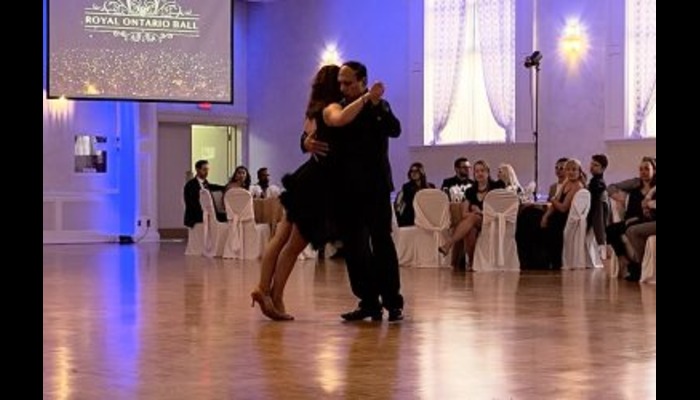
Unlike some dances that focus heavily on large movements or complex choreography, tango highlights connection, musical interpretation, and controlled movement between partners. The dance allows partners to communicate through timing, posture, and subtle changes in movement.
At Tango Canada Academy, students learn that understanding tango involves more than practising steps. The basic structure is built around rhythm, balance, and partner connection, making it accessible for beginners while still offering opportunities for advanced creativity.
Learning tango also involves exploring the cultural background, traditions, and techniques that have shaped its development over time.
The History and Origins of Bachata
Bachata originated in the Dominican Republic during the early twentieth century. It developed from influences including bolero, son, and other Latin musical traditions.
Initially, bachata was often associated with working-class communities and was not widely accepted by mainstream society. Over time, musicians and dancers helped transform its image, bringing greater recognition and appreciation to the style.
As bachata gained international attention, dancers began developing new interpretations while preserving its traditional connection to music and partner interaction.
Today, bachata is performed and taught worldwide, with many dancers appreciating both its cultural roots and modern evolution.
Different Styles of Bachata
Bachata has developed into several styles, each with unique characteristics while sharing the same musical foundation.
Different tango styles offer unique experiences for dancers, with each approach highlighting different techniques, musical interpretations, and movement qualities. In Argentine tango classes, students often explore the traditional foundations of tango while developing an understanding of connection, rhythm, and partner communication.
Traditional tango focuses on close connection, precise footwork, and interpreting the music through controlled movements. Other styles may place greater emphasis on creativity, performance, or expressive elements while still requiring strong communication between partners.
Each style provides opportunities for dancers to discover the approach that best matches their interests, learning goals, and personal connection with the music.
Understanding Bachata Music
Music is one of the most important parts of tango. The rhythm guides the dancer’s movement and creates the emotional atmosphere of each performance. For beginners taking Tango Lessons Toronto, developing an understanding of the music can make it easier to follow the beat and move with confidence.
Traditional tango music often features expressive melodies, rhythmic patterns, and distinctive instrumental arrangements. Learning to recognize these elements helps dancers understand timing and respond naturally to changes in the music.
Learning to listen to tango music regularly helps dancers improve their timing and ability to move comfortably with a partner.
Rather than simply counting steps, experienced dancers learn to interpret changes in the song and express the feeling of the music through movement.
Bachata and Salsa: Understanding the Difference
Many beginners compare bachata and salsa because both are Latin partner dances. While they share some similarities, they have different rhythms, movement styles, and cultural backgrounds.
Bachata generally focuses more on close connection, smooth movement, and simple rhythmic patterns. Salsa often includes faster footwork, more turns, and a greater emphasis on energetic patterns.
The term bachata salsa dance is sometimes used because both dances are commonly learned in Latin dance communities, but they remain separate styles with their own identities.
Understanding these differences helps beginners choose the style that matches their interests while appreciating the unique qualities of each dance.
What Beginners Should Expect in Their First Class
A first bachata class usually begins with an introduction to basic rhythm, posture, and partner connection. Students do not need previous dance experience because beginner lessons focus on creating a strong foundation.
Instructors typically introduce basic steps before adding turns or more advanced movements in tango lessons. The goal is not to learn everything immediately but to develop comfort with the music, movement, and connection between partners.
Students often practise with different partners during class, which helps improve communication, adaptability, and confidence on the dance floor.
Feeling unsure during the first lesson is normal. Like any new skill, confidence develops through regular practice and repetition, allowing dancers to gradually build their technique and enjoy the learning process.
Important Skills for Beginner Dancers
• Learn basic timing:
Understanding the rhythm is one of the first steps toward becoming comfortable with bachata.
Practising with music regularly helps dancers recognize the beat and move more naturally during partner work.
• Focus on connection:
Partner connection allows both dancers to communicate clearly through movement.
Maintaining relaxed posture and awareness helps create smoother and more enjoyable dancing experiences.
• Develop controlled movement:
Good technique comes from balance, coordination, and body control rather than rushing through steps.
Practising slowly helps beginners build accuracy before increasing speed or learning advanced patterns.
The Role of Posture and Partner Communication
Posture plays an important role in bachata because it affects balance and connection. A relaxed body position allows dancers to move comfortably while maintaining awareness of their partner.
Partner communication does not rely on speaking during the dance. Instead, dancers use subtle physical signals, timing, and movement changes to guide each other.
Respect and patience are essential because both partners contribute to creating a comfortable dance experience.
Developing these skills improves confidence and helps beginners enjoy social dancing.
How to Practise Bachata Effectively
- Learn the basic rhythm first.
- Practise footwork regularly.
- Listen to bachata music often.
- Focus on posture and balance.
- Dance with different partners.
- Review class material between lessons.
- Avoid rushing advanced movements.
- Improve connection gradually.
- Accept feedback from instructors.
- Continue learning consistently.
Benefits of Learning Bachata
Learning bachata provides benefits beyond dance skills. Regular practice improves coordination, confidence, musical awareness, and physical movement.
Partner dancing also encourages social interaction because dancers connect with others through a shared activity. Many beginners find that Top Rated Tango Lessons create a welcoming environment where they can meet new people while developing a new skill.
The process of learning movement patterns also improves concentration and patience. Through regular practice, dancers build confidence, strengthen communication skills, and develop a deeper appreciation for the connection and creativity that make tango unique.
Choosing the Right Learning Environment
Beginners often progress more comfortably in classes that provide clear instruction and structured learning. A supportive environment allows students to ask questions, practise techniques, and develop confidence gradually.
A good learning experience focuses on fundamentals before introducing advanced movements. This approach helps dancers build strong skills that support future development.
Students should look for classes that match their goals, whether they want social dancing, cultural understanding, or personal improvement.
Conclusion
Bachata Dance combines history, music, connection, and movement into a unique partner dance experience. From its Dominican origins to modern international styles, bachata continues to attract beginners because it offers both accessibility and opportunities for creativity.
Understanding the meaning behind the dance, exploring different styles, and learning proper beginner techniques helps students approach their first class with confidence. With regular practice and attention to rhythm, posture, and partner communication, anyone can enjoy the process of learning tango. To learn more about the instructors, training approach, and the values behind the dance community, visit the About Us section for further information.
Frequently Asked Questions
What is the meaning of bachata?
Bachata refers to both a style of music and a partner dance that originated in the Dominican Republic.
Is bachata easier to learn than salsa?
Many beginners find bachata approachable because of its simpler basic rhythm, but both dances require practice.
Do I need a partner to learn bachata?
No. Many classes allow students to rotate partners during lessons.
What style of bachata should beginners learn first?
Most beginners start with basic traditional or modern bachata foundations before exploring advanced styles.
How long does it take to learn bachata?
Progress depends on practice frequency, but regular lessons help beginners develop confidence over time.


Comments are closed