




Tango Dance Lessons are an excellent way to experience one of the world’s most expressive and elegant partner dances. For beginners, stepping into a dance studio for the first time can feel exciting while also raising many questions about what the class will involve. Many people wonder if they need previous dance experience, whether they should bring a partner, or how quickly they can learn the basic movements. The good news is that beginner classes are designed to introduce students to the fundamentals in a comfortable and supportive environment. Instructors focus on posture, balance, rhythm, partner communication, and simple movement patterns before introducing more advanced techniques. Understanding what to expect before attending your first lesson can help reduce nervousness and allow you to enjoy the learning experience. Whether your goal is social dancing, personal enjoyment, or developing long-term dance skills, beginning with the right expectations creates a strong foundation for future progress.
Understanding Tango and Its History
Before learning the first steps, it helps to understand what tango represents. When people search for tango meaning or the definition of tango, they are often interested in both the dance itself and its cultural significance.
Tango developed as a partner dance that combines musical interpretation, communication, and precise movement. Over time, it has become known for its elegance, close partner connection, and emphasis on rhythm rather than large or dramatic movements. At Tango Canada Academy, beginners are introduced to these core principles from their very first lesson, helping them build a strong foundation while appreciating the history, artistry, and authentic spirit of Argentine tango.
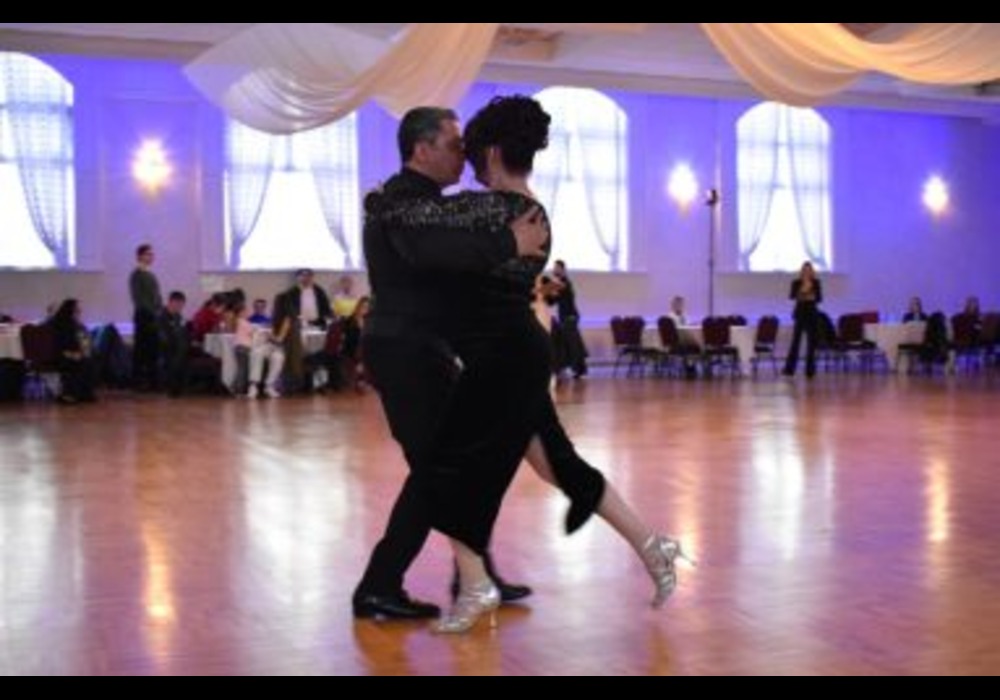
Although tango styles may vary, the central principles remain the same. Partners work together through balance, timing, and nonverbal communication to move smoothly across the dance floor.
Understanding tango as a dance from both a cultural and technical perspective helps beginners appreciate why instructors place so much emphasis on posture, connection, and controlled movement during the first lessons.
What Happens During Your First Class
A beginner lesson usually starts with a short introduction from the instructor explaining how the class will be structured. Students may also receive guidance about footwear, posture, and general studio etiquette before dancing begins.
The first class rarely focuses on complicated figures. Instead, instructors introduce the essential skills needed for future learning. These include standing posture, walking technique, weight transfer, musical timing, and maintaining a comfortable dance frame with a partner.
Students are encouraged to move slowly while becoming familiar with the rhythm of the music. Learning these fundamentals carefully helps create better technique and confidence later.
Do You Need a Dance Partner?
One of the most common concerns among beginners is whether they need to bring a partner.
Before your first lesson, it is helpful to know that many tango dancing classes welcome both individuals and couples. When participants attend alone, instructors often rotate partners throughout the lesson. This allows students to experience different movement styles while improving their ability to communicate through dance.
Partner rotation is a common feature of tango dancing classes because it encourages confidence and helps dancers adapt to different partners rather than relying on only one person. This approach strengthens leading, following, and overall social dancing skills while creating a supportive learning environment.
The primary goal is developing technique rather than memorizing choreography.
Learning Basic Tango Technique
The first techniques introduced during beginner classes are intentionally simple.
Students begin by understanding posture because proper body alignment improves balance and makes movement easier. Instructors then introduce walking, which forms the basis of nearly every tango movement.
Weight transfer becomes another important concept. Every step requires smooth movement from one foot to the other while maintaining balance and connection with a partner.
Rhythm exercises help students understand how movement matches the music without rushing through each step.
These early lessons provide the building blocks for more advanced dancing later.
Essential Partner Etiquette
Successful tango depends on mutual respect and clear communication between partners.
• Respect personal space: Partners should maintain a comfortable dance position that allows both individuals to move naturally while respecting personal boundaries.
Good communication creates trust and allows beginners to feel more relaxed throughout the lesson.
• Listen to instructor guidance: Following instructions carefully helps students develop proper technique while reducing unnecessary mistakes during practice. Paying attention also allows everyone in the class to progress together at a comfortable pace. Students interested in continuing their training can also ask about available Scholarship Programs, which may provide additional opportunities to support ongoing dance education and skill development.
• Practice patience: Every student learns differently, and mistakes are a natural part of the learning process.
Remaining patient with yourself and your partner creates a positive learning environment where confidence develops naturally.
Common Challenges for Beginners
Most new dancers experience similar challenges during their first few lessons. Balance, coordination, timing, and remembering movement patterns often require regular practice.
Many beginners initially focus too much on their feet instead of listening to the music and maintaining partner connection. Over time, these movements become more natural as muscle memory develops.
Feeling uncertain during early classes is completely normal. Consistent attendance and practice gradually improve confidence and technique.
What to Wear to Your First Lesson
Comfortable clothing that allows unrestricted movement is generally the best choice for beginner classes.
Shoes should provide stability while allowing smooth movement across the floor. Extremely high heels, heavy athletic shoes, or footwear with excessive grip may make learning basic movements more difficult. For those looking to Learn Argentine Tango Toronto, choosing comfortable indoor shoes with a smooth sole can make it easier to practise footwork, balance, and partner movements.
As students continue dancing, they often choose footwear specifically designed for partner dancing, but beginners can usually start with comfortable indoor shoes recommended by the instructor.
Building Confidence Through Regular Practice
Improvement in tango comes through repetition rather than speed.
Attend lessons consistently.
Practice posture every day.
Focus on walking technique.
Listen to tango music regularly.
Develop balance before learning advanced figures.
Pay attention to rhythm.
Practice with different partners when possible.
Accept mistakes as part of learning.
Review instructor feedback after every class.
Continue building confidence one lesson at a time.
How Tango Improves More Than Dance Skills
Learning tango offers benefits beyond the dance floor. Regular practice improves balance, posture, coordination, and body awareness.
Many students also notice improvements in confidence because partner dancing encourages communication, concentration, and trust. Learning new movement patterns stimulates both physical and mental engagement while providing an enjoyable recreational activity. For many Toronto dancers, tango also creates opportunities to connect with a welcoming dance community, develop lasting friendships, and continue building skills through regular classes and social dance events.
The social environment of beginner classes also creates opportunities to meet others who share similar interests in dance and music.
Choosing Beginner Tango Classes
When comparing beginner programs, students should consider more than scheduling convenience.
Class size, instructor experience, lesson progression, and teaching style all influence the learning experience. A structured curriculum helps beginners develop strong fundamentals before introducing more advanced techniques.
Observing a class or reviewing course outlines can provide useful insight into how instructors organize lessons and support student progress.
Finding a learning environment that emphasizes patience, clear instruction, and gradual improvement often creates the most positive experience for first-time dancers.
Conclusion
Beginning Tango Dance Lessons is an enjoyable opportunity to learn a dance style that combines music, movement, and partner connection. While the first class may feel unfamiliar, understanding what to expect helps reduce uncertainty and allows students to focus on learning the fundamentals. If you have questions about class schedules, beginner programs, or registration, contact us to learn more and find the right lesson for your experience level.
By developing proper posture, balance, rhythm, and partner communication from the beginning, new dancers create a strong foundation for future progress. With regular practice, patience, and supportive instruction, beginners can gradually build confidence while discovering why tango continues to be appreciated around the world.
Frequently Asked Questions
Do I need dance experience before taking tango lessons?
No. Beginner classes are designed for students with little or no previous dance experience.
Do I need to bring a partner?
Many studios welcome both individuals and couples, and partner rotation is common in beginner classes.
What should I wear to my first tango class?
Comfortable clothing and supportive indoor shoes that allow easy movement are generally recommended.
How long does it take to learn basic tango?
Most beginners become comfortable with the basic steps after several consistent lessons and regular practice.
Is tango suitable for all ages?
Yes. Tango can be enjoyed by adults of different ages and experience levels when taught through beginner-friendly instruction.


Comments are closed