




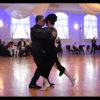


Salsa Dancing is one of the most energetic and enjoyable partner dances, combining rhythm, movement, and communication into an exciting social experience. While beginners often focus on learning the basic steps, becoming a confident salsa dancer requires much more than memorizing footwork. Good posture, musical timing, partner connection, balance, and consistent practice all contribute to steady improvement. Many dancers searching for how to improve salsa dancing skills want practical advice that they can apply during every lesson and practice session. The good news is that progress does not depend on natural talent alone. Developing strong fundamentals, practising regularly, and learning in a structured environment allow dancers to improve more efficiently while building confidence on the dance floor. Understanding the key elements of salsa provides a clear pathway for beginners and intermediate dancers who want to strengthen their technique and enjoy dancing with greater ease.
Why Building Strong Fundamentals Matters
Many dancers become excited about learning advanced turns and combinations, but lasting improvement begins with mastering the basics. Every complex movement is built on proper posture, balance, rhythm, and controlled foot placement. This is why tango classes for adults typically focus on developing these essential skills before introducing more advanced figures, making future learning much easier. Skipping the basics often creates habits that limit progress. Poor posture, inconsistent timing, or rushed footwork can affect every part of a dancer’s performance. Spending time strengthening the fundamentals creates smoother movement, greater confidence, and a stronger foundation for long-term success on the dance floor. Developing good technique also reduces unnecessary tension, allowing dancers to move naturally while enjoying the music.Start With Proper Posture
Posture influences nearly every aspect of salsa. Standing with proper alignment improves balance, movement efficiency, and communication with a dance partner. A relaxed upper body combined with an engaged core allows dancers to change direction comfortably while maintaining stability. Good posture also creates a cleaner appearance because movements become more controlled and coordinated. Rather than becoming stiff, dancers should aim for relaxed confidence that allows natural movement throughout each dance. Practising posture outside dance classes can also improve overall body awareness.Timing Is More Important Than Speed
Many beginners believe dancing faster means dancing better. In reality, accurate timing is much more valuable, especially when learning Argentine Tango Toronto. Learning to recognize the rhythm of tango music allows dancers to move confidently without rushing through patterns. Dancing in time with the music creates smoother transitions and improves communication between partners. Listening regularly to tango music outside class helps develop rhythm recognition. Over time, dancers begin identifying musical patterns more naturally, making it easier to stay connected with the beat. Strong timing provides the foundation for every other aspect of salsa dancing.Develop Better Footwork
Footwork gives salsa its distinctive energy and style. Every step should be deliberate, balanced, and controlled rather than hurried. Practising slowly helps dancers understand proper weight transfer before increasing speed. Once movements become consistent, they naturally become faster without sacrificing technique. Footwork drills also improve coordination and strengthen muscle memory, allowing dancers to focus more on musical interpretation and partner interaction during social dancing.Partner Connection Creates Better Dancing
Connection is one of the most important qualities in partner dancing. Good communication allows both dancers to move together comfortably while responding naturally to changes in direction. Rather than relying on physical force, tango partners communicate through clear body movement, timing, and an appropriate frame. In Argentine Tango Classes, students learn how to develop this connection by using subtle movements and responsive partner communication instead of strength. Learning to maintain a gentle yet responsive connection improves confidence because both partners understand each other’s intentions more clearly. Regular practice with different partners also develops adaptability, communication skills, and the ability to dance comfortably with a variety of people.Habits That Help You Improve Faster
• Practice consistently: Regular practice helps reinforce muscle memory while allowing new techniques to become natural over time. Short practice sessions several times each week often produce better results than occasional long sessions because skills remain fresh and continue developing steadily.Learn to Listen to the Music
Musicality is much more than counting beats. Dancers who understand the structure of salsa music can interpret changes in rhythm and energy more naturally. Listening to different salsa songs outside class improves familiarity with common musical patterns. As dancers become more comfortable with the music, their movements begin matching the rhythm with greater confidence. Musical awareness also makes partner dancing smoother because both dancers respond to the same musical cues.Accept Feedback From Instructors
Constructive feedback is an important part of learning any dance style. Experienced instructors observe details that dancers may not notice themselves, including posture, timing, balance, and movement quality. Rather than viewing corrections as criticism, students should see them as opportunities for improvement. Small technical adjustments often produce noticeable improvements in overall performance. Learning gradually through structured instruction creates stronger long-term progress than relying entirely on self-teaching.Build Confidence Through Repetition
Confidence develops through repeated practice rather than perfect performances. Many dancers become discouraged after making mistakes during lessons or social dances. However, every experienced dancer has gone through the same learning process. Repeating fundamental exercises consistently helps movements become automatic, reducing hesitation during partner dancing. Patience allows confidence to grow naturally as technique improves.Strengthen Balance and Coordination
• Improve body control: Balance exercises support smoother movement while helping dancers change direction more confidently during turns and travelling patterns. Better coordination also reduces unnecessary tension, making dancing feel more comfortable and enjoyable.Practice Outside Formal Lessons
Although dance classes provide valuable instruction, personal practice plays an equally important role. Reviewing recently learned material shortly after class reinforces memory while preventing important techniques from being forgotten. As students become more confident, they can also explore Popular Tango Styles to better understand how different techniques, musical interpretations, and movement qualities influence the dance. Practising basic steps, timing exercises, posture, and footwork at home allows students to arrive at future lessons better prepared to learn new material. Even fifteen to twenty minutes of focused practice several times each week contributes to noticeable improvement.How to Improve Salsa Dancing Skills Step by Step
- Master posture before advanced techniques.
- Develop consistent rhythm.
- Practice basic footwork daily.
- Improve weight transfer.
- Listen to salsa music regularly.
- Dance with different partners.
- Accept instructor feedback.
- Practice outside class.
- Focus on smooth movement rather than speed.
- Continue learning through structured lessons.
Stay Relaxed During Every Dance
One common challenge for beginners is unnecessary tension. Nervousness often causes stiff shoulders, tight arms, and restricted movement. Relaxing allows dancers to respond more naturally to music while improving communication with their partner. Breathing steadily and maintaining comfortable posture helps reduce tension throughout the dance. With regular practice, relaxation becomes easier, and movement feels increasingly natural.Learning Through Structured Classes
• Follow a progressive curriculum: Structured lessons introduce techniques in a logical order, helping students build confidence while developing strong fundamentals. Each lesson builds upon previous skills, making long-term improvement more consistent and easier to achieve. Learning alongside other students also provides opportunities to practice with different partners while receiving guidance from experienced instructors.Common Mistakes That Slow Progress
Many dancers focus on memorizing complicated combinations before mastering basic movement. Others try dancing too quickly instead of improving rhythm and balance first. Looking down at the feet, ignoring musical timing, or relying too heavily on physical force during partner work can also limit development. Recognizing these habits early allows dancers to correct them before they become difficult to change. Consistent attention to technique produces better long-term results than rushing through advanced material. If you have questions about improving your technique or choosing the right class for your skill level, contact us for guidance and support from experienced instructors.Conclusion
Improving Salsa Dancing skills requires patience, consistent practice, and attention to the fundamental techniques that support confident movement. Strong posture, accurate timing, controlled footwork, musical awareness, and effective partner connection all contribute to steady progress. While improvement takes time, following a structured learning approach allows dancers to build confidence with every lesson. By practising regularly, listening to instructor feedback, and maintaining realistic expectations, dancers can continue developing skills that make every social dance more enjoyable and rewarding.Frequently Asked Questions
How long does it take to improve salsa dancing skills?
Progress depends on regular practice, lesson attendance, and consistent effort. Many dancers notice improvement after several weeks of structured learning.
Is posture important in salsa?
Yes. Proper posture improves balance, movement quality, and partner connection.
Should I practice salsa outside class?
Yes. Short practice sessions between lessons help reinforce new techniques and improve confidence.
Can beginners improve quickly?
Yes. Focusing on strong fundamentals and practising consistently helps beginners make steady progress.
Do I need a partner to learn salsa?
No. Many classes welcome individual students and provide opportunities to dance with different partners during lessons.


Comments are closed