




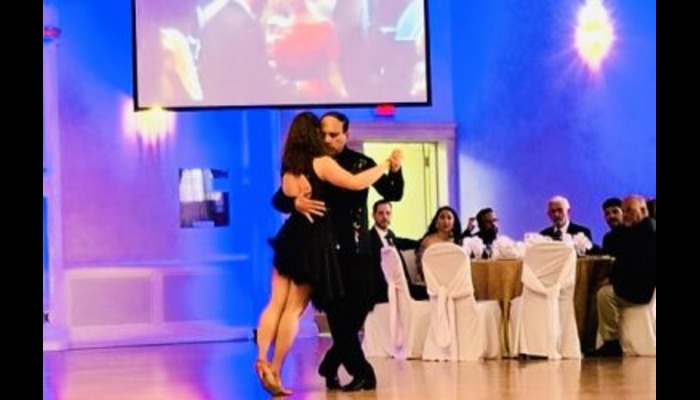
Tango is often described as one of the most expressive and distinctive partner dances in the world. While many social dances focus on energetic patterns or fast-paced choreography, tango emphasizes connection, balance, musical interpretation, and communication between partners. People who are new to the dance frequently ask, “What is tango?” because its style appears very different from other forms of partner dancing. The answer goes beyond the steps themselves. Tango combines precise movement, emotional expression, posture, and musical awareness into a dance that values quality of movement over complexity. Every walk, pause, and turn has a purpose, allowing dancers to respond naturally to the music while maintaining a close connection with one another. Understanding the qualities that make tango unique helps beginners appreciate why learning the dance is about much more than memorizing steps. It is an art form that continues to attract dancers around the world because of its elegance, creativity, and timeless appeal.
Understanding the Meaning of Tango
Many people search online to define tango before attending their first lesson. Although the word often refers to the dance itself, it also represents a rich cultural tradition that combines music, movement, and social interaction. Understanding these traditions is an important part of many Argentine tango classes, where students learn not only the dance steps but also the techniques, etiquette, and musical interpretation that make tango unique. Tango developed as a partner dance built around communication rather than performance. Unlike dances where partners memorize long routines, tango encourages continuous interaction through body movement, balance, and shared interpretation of the music. This focus on partnership makes every dance slightly different. Even when the same music is played, dancers create unique experiences by responding naturally to each other’s movements and timing. Understanding what tango is requires recognizing that it is both a technical skill and an artistic form of expression.The Importance of Connection
Connection is often considered the defining characteristic of tango. Instead of relying on verbal communication, partners connect through posture, balance, and subtle body movements. The leader guides movement by creating clear directional signals, while the follower responds by maintaining awareness and balance. Successful connection depends on cooperation rather than force. This continuous communication allows both dancers to move smoothly together while responding to changes in rhythm and musical expression. Developing connection takes practice, but it becomes one of the most rewarding aspects of learning tango.Why Posture Matters So Much
Proper posture forms the foundation of every tango movement. Before students learn advanced figures or decorative steps, instructors usually focus on body alignment and balance. Standing correctly improves stability while allowing dancers to move efficiently in every direction. Good posture also creates a stronger connection between partners because movements become clearer and more controlled. In tango dancing classes, instructors place strong emphasis on natural alignment rather than dramatic body positions. This approach supports comfort, precision, and fluid movement while helping beginners develop proper technique from the start. Learning posture correctly during beginner lessons also helps prevent poor habits that can become difficult to correct later.Musicality Makes Every Dance Unique
The relationship between movement and music is another feature that separates tango from many other dances. Rather than counting fixed patterns continuously, dancers learn to interpret the music while responding to changes in rhythm, tempo, and emotion. The tango music style includes moments of energy, pauses, and subtle variations that allow dancers to express the music naturally through movement. Listening carefully becomes just as important as mastering footwork because musical awareness guides timing throughout the dance.Walking Is the Foundation of Tango
One surprise for many beginners is discovering how much attention instructors give to walking. Unlike ordinary walking, tango walking requires balance, controlled weight transfer, posture, and partner coordination. Every step should feel smooth, deliberate, and connected to the music. Strong walking technique creates the basis for nearly every other movement introduced later. Rather than rushing toward advanced figures, students first develop confidence through consistent practice of these essential fundamentals.Characteristics That Make Tango Different
• Strong partner connection: Communication through posture and body movement allows dancers to move together without relying on spoken instructions. This shared awareness creates smooth movement while encouraging trust and cooperation between partners. • Musical interpretation: Instead of simply following counts, dancers respond to the character and rhythm of the music. Musicality allows every dance to become unique because movement reflects the changing emotions within each piece of music. • Precision over speed: Tango emphasizes controlled movement, balance, and accuracy rather than fast choreography. Developing quality technique helps dancers achieve elegant movement while improving confidence.Learning Patience Through Tango
Many new dancers expect to learn numerous steps during their first few lessons. However, experienced instructors often spend significant time developing basic techniques before introducing complex figures. At Tango Canada Academy, this gradual progression allows students to build confidence while strengthening posture, balance, musical awareness, and partner communication. Learning patiently often produces better long-term results because each new movement is supported by strong fundamentals, creating a solid foundation for continued improvement. Students who understand this process generally find learning more enjoyable and less overwhelming.Common Misconceptions About Tango
Some people believe tango is only suitable for experienced dancers or performers. In reality, beginner classes are designed to introduce students gradually regardless of previous dance experience, making Tango Lessons Toronto a suitable option for those who are new to the dance. Another misconception is that tango depends on memorizing complicated routines. While choreography exists in performance settings, social tango focuses more on improvisation, communication, and musical interpretation. Others assume that physical strength determines success. In fact, balance, posture, timing, and clear communication are much more important than force.Developing Tango Skills Over Time
- Learn proper posture first.
- Practice walking with balance.
- Develop smooth weight transfer.
- Listen carefully to tango music.
- Focus on partner connection.
- Learn basic turns gradually.
- Improve rhythm through regular practice.
- Accept corrections from instructors.
- Practice consistently between lessons.
- Continue building confidence step by step.
How Tango Benefits Everyday Life
Learning tango provides benefits that extend beyond dancing. Regular practice improves posture, coordination, flexibility, and body awareness. Many dancers also develop stronger concentration because successful partner dancing requires continuous attention to timing, movement, and communication. Social dancing encourages confidence by helping individuals become more comfortable interacting with others in structured environments. The discipline developed through tango often supports greater patience and persistence in other areas of life.Choosing the Right Learning Environment
Beginners benefit most from structured classes that emphasize technique before introducing advanced movements. Experienced instructors create lessons that gradually build confidence while explaining the reasons behind each exercise. Smaller classes often provide greater opportunities for personalized feedback and individual improvement. Students can also stay motivated by following Latest Events, which provide opportunities to practise their skills, experience social dancing, and become more involved in the tango community. When choosing a program, look for one that values proper fundamentals, respectful partner etiquette, and steady progression rather than rushing through complicated choreography. Learning in a supportive environment allows beginners to enjoy the process while developing skills that remain valuable throughout their dancing journey.Conclusion
Tango continues to stand apart from other partner dances because of its emphasis on connection, posture, musicality, and thoughtful movement. Rather than focusing on fast routines or elaborate choreography, it encourages dancers to communicate through balance, rhythm, and shared interpretation of the music. Understanding these characteristics helps answer the question of what tango is while providing insight into why so many people continue learning and enjoying this unique dance style. With patience, regular practice, and quality instruction, beginners can gradually discover the artistry that makes tango one of the world’s most respected forms of partner dancing.Frequently Asked Questions
What is tango?
Tango is a partner dance that combines music, posture, balance, and communication through movement.
Why is tango different from other dances?
It focuses on connection, musical interpretation, and controlled movement rather than memorized choreography.
Is tango difficult for beginners?
Beginners can learn successfully through structured lessons that introduce skills gradually.
Why is posture important in tango?
Proper posture improves balance, partner connection, and movement quality.
Do I need previous dance experience to learn tango?
No. Most beginner classes are designed for students with little or no dance background.


Comments are closed